


















Senior Living Supply Set to Quadruple by 2030
Senior living is emerging as a major new real estate segment in India, with professionally managed communities combining housing, healthcare, wellness, security and social amenities.
₹130 billion investment pipeline could add 75,000 organised units
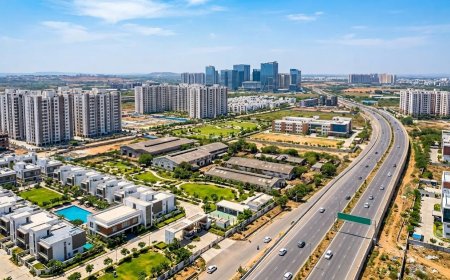
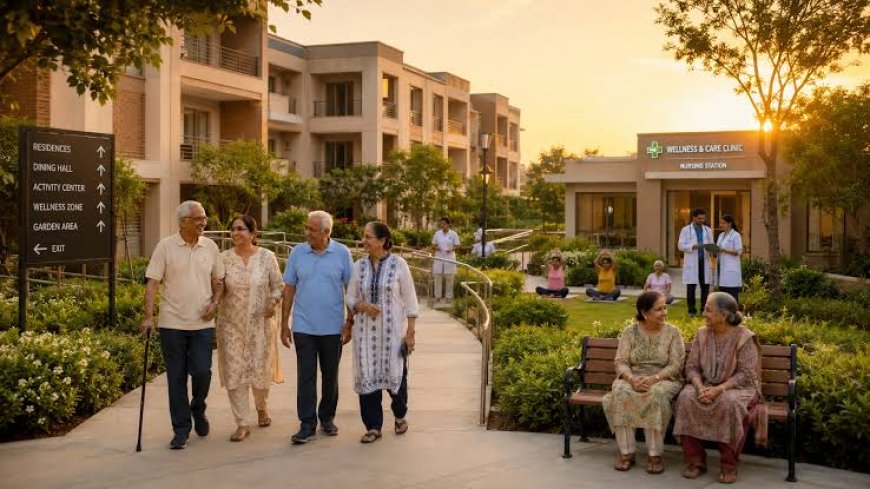
Senior living is emerging as a new real estate segment in India, but it is different from the traditional concept of old-age homes. These are professionally managed residential communities designed for seniors, with housing integrated with healthcare, wellness, security, recreation and community facilities.
The segment is now entering a major supply expansion phase. Organised senior-living inventory could increase from around 25,000 units currently to one lakh by 2030, with more than ₹130 billion of investment commitments announced since 2025, according to Colliers.
Large gap between demand and supply
Colliers estimates current demand for senior living at around 20–22 lakh units, compared with only about 25,000 units of organised inventory. Demand is projected to reach nearly 30 lakh units by 2030, while organised supply could rise to around one lakh units.
Investment pipeline takes shape
More than ₹130 billion has been announced by real estate developers, senior living operators and investors since 2025, with the investments expected to be deployed over the next three to four years.
Not just accommodation
The senior-living model is evolving from simply providing a place to stay to creating an integrated living and care ecosystem. Developments can include independent and assisted living options, healthcare access, shared amenities, social activities and wellness facilities.
Tier II cities widen the market
The next phase of development is expected to spread beyond major metros. Colliers estimates that around 30–40 per cent of new senior-living project launches could come from Tier II and Tier III cities and spiritual hubs.
Demographics drive the opportunity
India’s population aged 60 years and above is estimated at around 168 million in 2026 and is projected to reach 346 million by 2050. Its share of the total population could rise from 11.4 per cent to 20.6 per cent over the same period.
Supply Surge
- 25,000: Organised units currently.
- 1 lakh: Potential units by 2030.
- 75,000: Potential additional units.
- ₹130 bn: Investment announced since 2025.
- 20–22 lakh: Current estimated demand.
- 4%: Potential penetration by 2030.
What's Your Reaction?
 Like
0
Like
0
 Dislike
0
Dislike
0
 Love
0
Love
0
 Funny
0
Funny
0
 Angry
0
Angry
0
 Sad
0
Sad
0
 Wow
0
Wow
0