



















Creating Value Through Collaborative Design: Architect Aparna Bidarkar
The architect explains why India's traditional building methods continue to offer valuable lessons for contemporary architecture.
SAMUEL JOSHUA
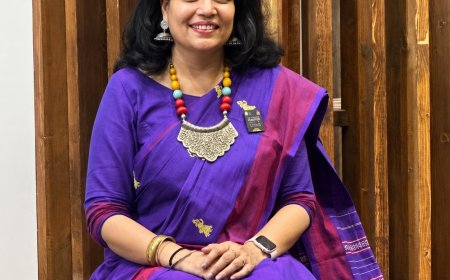
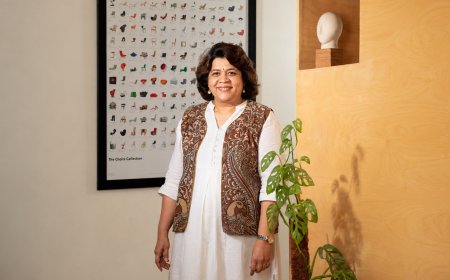
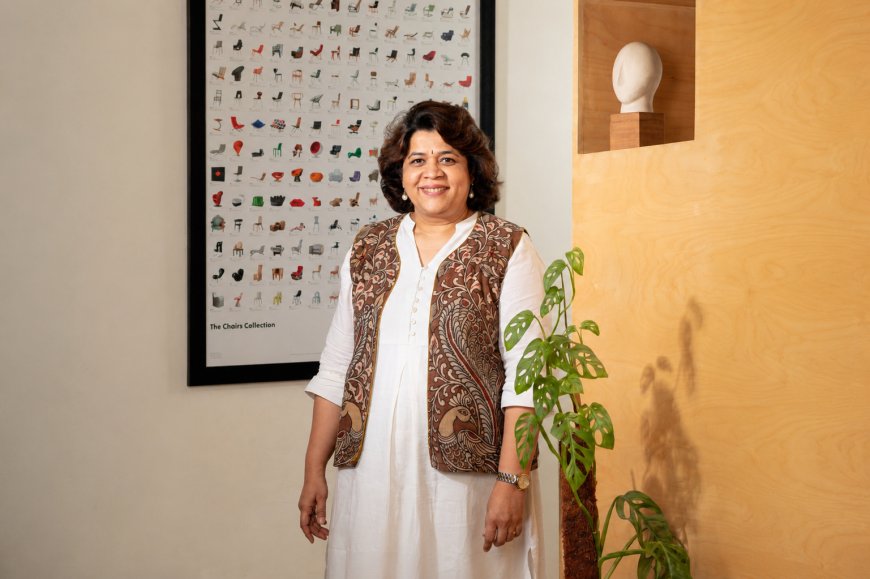
Every building begins with a conversation before it takes shape on paper. Understanding how people live, work and interact with spaces is central to creating architecture that remains functional long after completion. This approach has guided architect Aparna Bidarkar through more than 25 years of professional practice, where every project is an opportunity to create value while earning the trust of her clients.
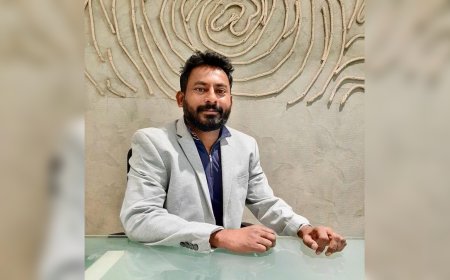
Principal Architect at Hue Designs and Partner at Architecture & Design Office, Aparna Bidarkar has led a diverse portfolio spanning residential, commercial, institutional and government sectors. Over the years, her practice has evolved from individual design assignments to a collaborative model that integrates architecture, project management and multidisciplinary expertise. Beyond her professional work, she has also served as a visiting faculty, mentoring architecture students, and is currently pursuing doctoral research.
Rather than following a signature style, Aparna believes every project deserves its own response. Functionality remains at the centre of her approach, with design ideas emerging through conversations that help her understand clients' lifestyles, aspirations and practical requirements."An architect is only as good as the client," she says, highlighting the importance of meaningful collaboration in creating better architectural solutions.
Among the architects who have influenced her, Geoffrey Bawa stands out for his ability to blend nature with architecture through simple, functional design. During her early years, she also drew inspiration from architects such as Mies van der Rohe and Le Corbusier. Today, however, Aparna says India's traditional building methods, indigenous techniques and climate-responsive architecture offer some of the most valuable lessons for contemporary design.
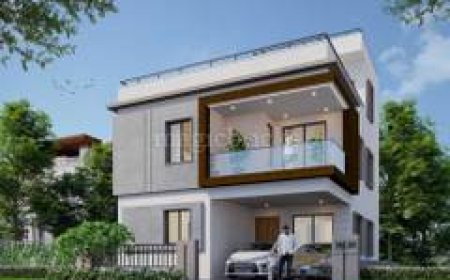
No single project defines Aparna's architectural career. Every assignment has brought new learning and a fresh perspective. One of the projects she remembers most is an early home designed for a family returning from the United States, where modern amenities were blended with the character of a traditional Manduva-style house. Her portfolio also includes projects for organisations such as APSRTC and the Indian Army, besides corporate offices and public buildings, reflecting the diversity of her professional experience.
As her practice evolved, Aparna embraced collaboration, with architects taking a larger role in coordinating clients, consultants and project teams. She has also contributed to documenting Telangana's historic stepwells, while believing successful architecture balances functionality, comfort and lasting value.
Aparna views sustainability as an integral part of India's traditional architecture, with climate-responsive design, natural ventilation, local materials and passive solutions shaping her approach. She also observes that homeowners today seek modern spaces with a connection to their cultural roots.
Technology has improved architectural workflows, with AI, BIM and digital tools supporting concept development and coordination. However, Aparna believes human judgement, empathy and creative problem-solving remain central to design.
With Hyderabad's rapid urban growth, Aparna calls for a greater role for architects, urban planners and designers in policymaking, including the appointment of a Chief Architect for the state to strengthen long-term planning. She also highlights challenges such as limited awareness of architects' value, skill gaps among young professionals and unqualified practitioners entering the field.
Looking ahead, Aparna expects architecture to move towards simpler, more practical and adaptable spaces that respond to changing lifestyles. She hopes her work will be remembered for adding value to people's lives through thoughtful design, collaboration and shared learning.
What's Your Reaction?
 Like
0
Like
0
 Dislike
0
Dislike
0
 Love
0
Love
0
 Funny
0
Funny
0
 Angry
0
Angry
0
 Sad
0
Sad
0
 Wow
0
Wow
0