
















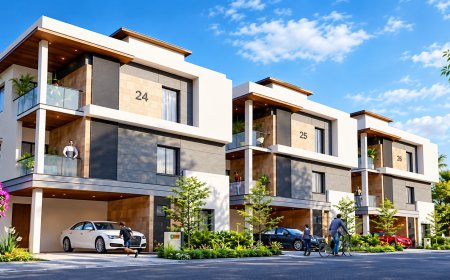







HMDA Building Permissions Go Digital: TG-bPASS Speeds Up Plan Scrutiny Across Hyderabad
The Telangana government has digitised the building plan scrutiny process across the HMDA jurisdiction through the TG-bPASS platform, enabling technical verification of building plans within minutes.
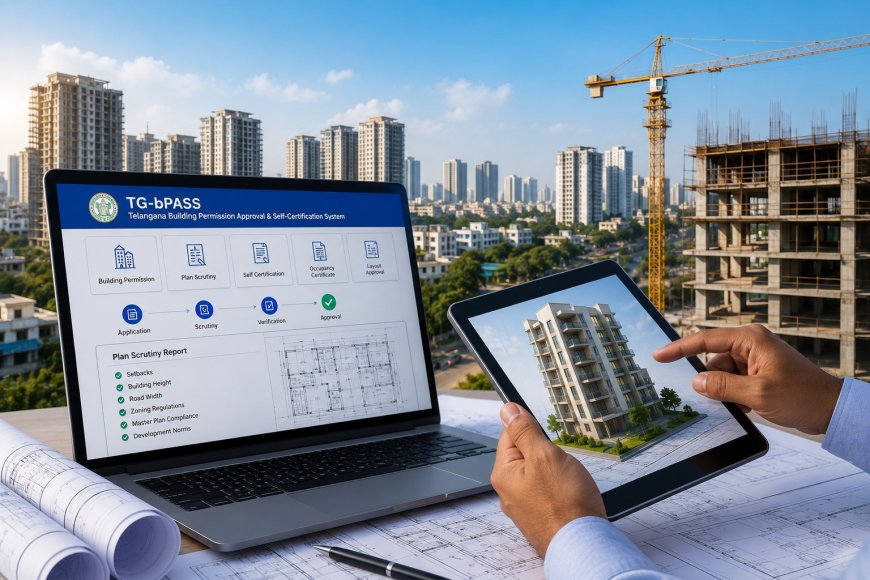
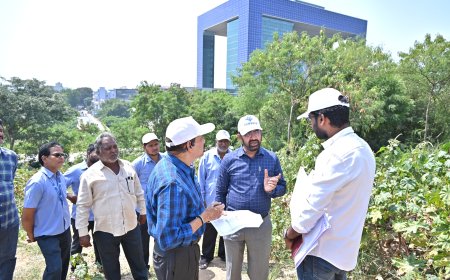
The Telangana government's efforts to fully digitise the building permission approval process are beginning to deliver tangible results. Across the Hyderabad Metropolitan Development Authority (HMDA) jurisdiction, the scrutiny of building plans is now being completed within minutes using advanced software-based systems, significantly improving efficiency and transparency.
The automated platform verifies critical technical parameters such as setbacks, building height, road width, master plan compliance, zoning regulations, and development norms before generating a scrutiny report. However, officials clarify that while technical scrutiny has become much faster, final approval still depends on mandatory clearances from various government departments, land ownership verification, and compliance with statutory regulations.
TG-bPASS Creates a Unified Approval System
Under the TG-bPASS (Telangana Building Permission Approval and Self-Certification System), applications for both residential and commercial buildings are processed through a single online platform.
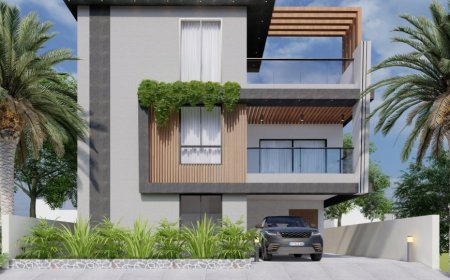
For residential houses on plots up to 75 square yards, only online registration is required. Residential buildings up to 500 square metres in area and 10 metres in height are eligible for instant approvals based on self-certification. Larger residential projects, commercial buildings, and high-rise developments continue to be processed through a single-window system involving approvals from multiple government departments.
Digital Scrutiny Improves Transparency
The software-driven scrutiny system enables applicants to identify design deficiencies almost immediately. Previously, manual verification often resulted in lengthy delays before objections were communicated.
Now, any deviation from planning regulations is highlighted automatically, allowing applicants to revise and resubmit their plans without unnecessary waiting. Officials believe this has considerably improved transparency while reducing processing delays.
Complete Transition from DPMS
HMDA has now shifted all new applications relating to village panchayat areas—including building permissions, occupancy certificates, and layout approvals—from the earlier Development Permission Management System (DPMS) to the TG-bPASS platform.
This transition provides applicants with a single digital interface for accessing all development-related services.
Why Final Approvals Still Take Time
Although technical scrutiny can now be completed within minutes, every application must still undergo statutory verification before final approval.
Authorities continue to examine land ownership records, proposed road widening under the master plan, lake buffer zones, nalas (drainage channels), environmental regulations, and, wherever applicable, obtain clearances from agencies such as the Fire Department and Airport Authority. Only after these mandatory checks are completed is the final building permission issued.
Major Boost for the Construction Sector
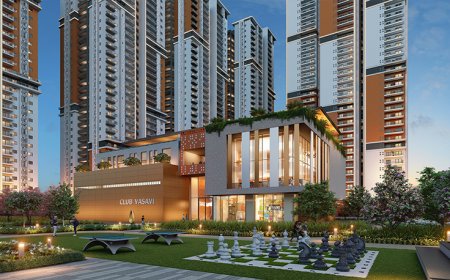
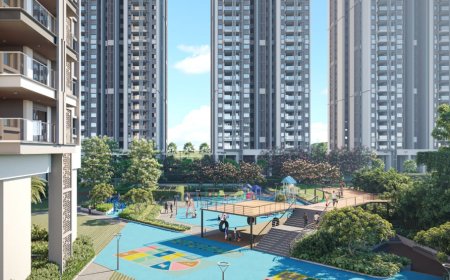
Real estate experts believe the digital scrutiny system will reduce uncertainty for developers, investors, architects, and homebuyers by saving both time and costs during the approval process.
Officials, however, have warned that applicants submitting false information under the self-certification system could face cancellation of approvals, legal proceedings, and strict action against unauthorised construction.
With the expansion of digital services and automated scrutiny, Telangana's building permission system is expected to become even more efficient in the coming years. Government authorities are also planning the phased integration of Artificial Intelligence (AI) -based plan verification and geospatial data technologies to further streamline approvals and strengthen urban governance.
What's Your Reaction?
 Like
0
Like
0
 Dislike
0
Dislike
0
 Love
0
Love
0
 Funny
0
Funny
0
 Angry
0
Angry
0
 Sad
0
Sad
0
 Wow
0
Wow
0