




















Mega bus terminal: Near ORR or inside city
A 100-acre facility can transform regional mobility — but location will determine whether it solves congestion or adds to it
KING JOHNSON KOYYADA
Hyderabad is growing rapidly, and with growth comes a familiar challenge faced by every major metropolitan city: traffic congestion.
While Delhi struggles with pollution and Mumbai with flooding, cities such as Bengaluru and Chennai continue to battle traffic bottlenecks. Hyderabad still has an opportunity to stay ahead of the curve through better planning and timely infrastructure decisions.
One such decision relates to the proposed bus terminal planned for the city.
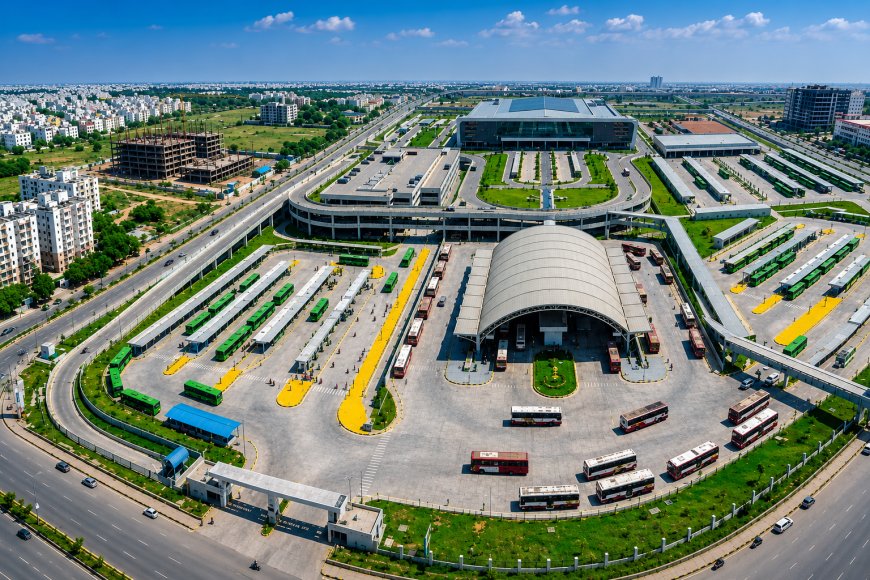
The government is reportedly examining a 100-acre world-class facility at Gajularamaram after earlier proposals considered Miyapur. The project has the potential to become a major transportation hub for interstate and intercity travel. However, before finalising the location, policymakers may need to consider one critical question: Should such a large terminal be located within the city limits?
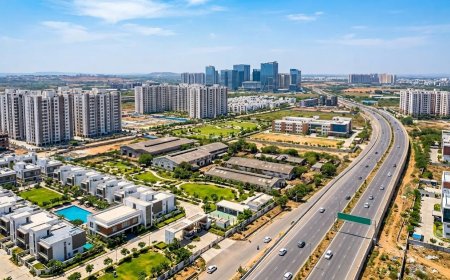
A terminal of this scale will attract hundreds of buses and thousands of passengers every day. Locating it within an already developed urban area could increase traffic pressure on surrounding roads and residential neighbourhoods. Residents may eventually have to deal with congestion, noise and traffic movement associated with a major transport hub.
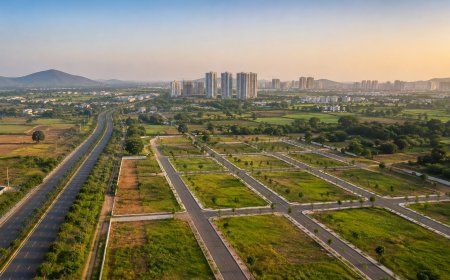
A more sustainable approach could be to locate the facility closer to the Outer Ring Road.
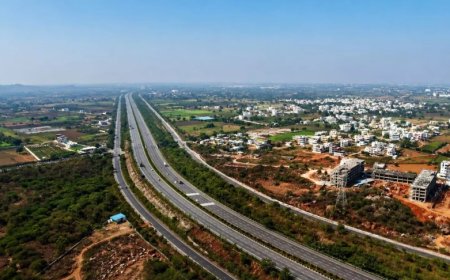
The ORR was conceived not only as a high-speed transport corridor but also as a tool to divert through-traffic away from the city's core. Locating a major bus terminal near the ORR would allow interstate and long-distance buses to access the facility without entering Hyderabad's internal road network.
Passengers could then use city buses, Metro Rail and feeder services to reach the terminal. Such a hub-and-spoke model is followed in several cities where large transport facilities are positioned on the urban periphery while public transport provides last-mile connectivity.
The benefits could be significant. Traffic congestion inside the city would be reduced, travel times for long-distance buses could improve and future expansion would become easier. The terminal could also emerge as a multi-modal transport hub integrating buses, Metro connectivity, parking facilities and future transit systems.
Chief minister A. Revanth Reddy recently indicated that work on the project could begin within the next few months. Given the scale of the investment and its long-term implications, a detailed assessment of location alternatives may help ensure the facility delivers maximum benefit to commuters while minimising pressure on the city's road network.
Hyderabad's future growth will increasingly depend on how effectively large infrastructure projects are integrated into the urban landscape. The bus terminal is one such opportunity. The question is where it should be built.
Why ORR is better:
• Interstate buses need not enter the city.
• Reduces congestion in residential areas.
• Better integration with future transit systems.
• Easier expansion in future.
• Supports hub-and-spoke transport model.
• Improves travel time for long-distance buses.
• City buses can provide feeder connectivity.
• Helps decongest Hyderabad's road network.
What's Your Reaction?
 Like
0
Like
0
 Dislike
0
Dislike
0
 Love
0
Love
0
 Funny
0
Funny
0
 Angry
0
Angry
0
 Sad
0
Sad
0
 Wow
0
Wow
0