

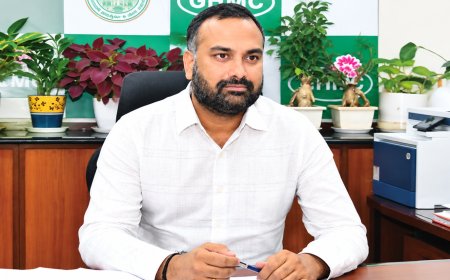

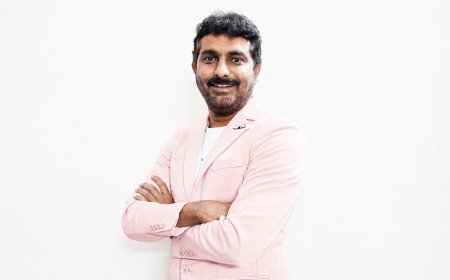
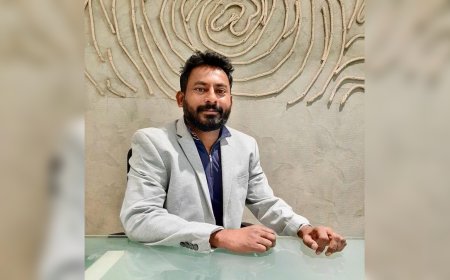
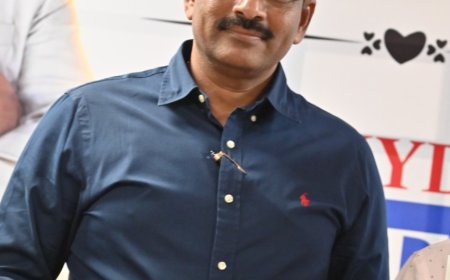





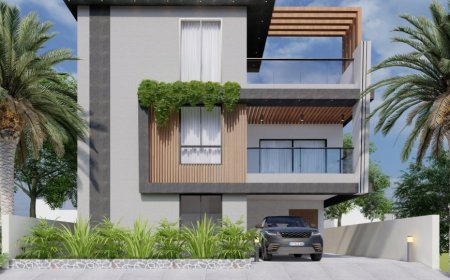

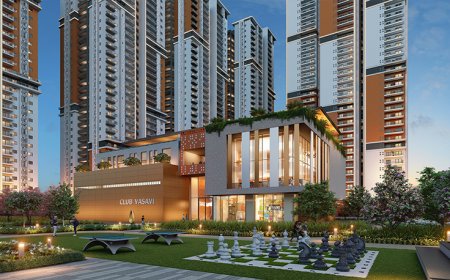
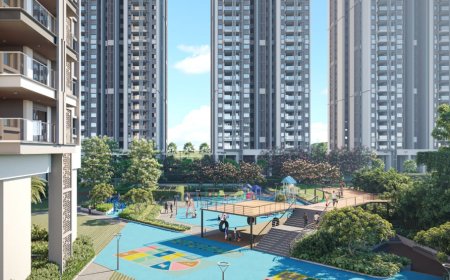
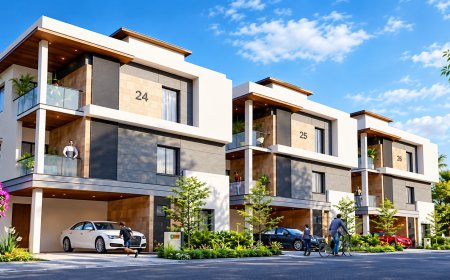




Functionality Over Aesthetics: Architect Rakesh Vasu
The architect discusses minimalist and vernacular design, urban planning, AI and the need to reconnect buildings with nature.
SAMUEL JOSHUA
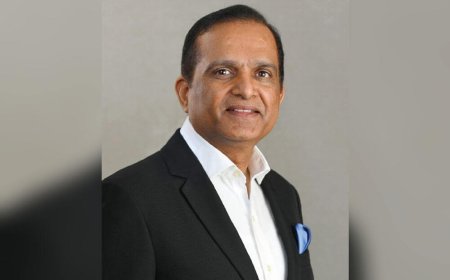
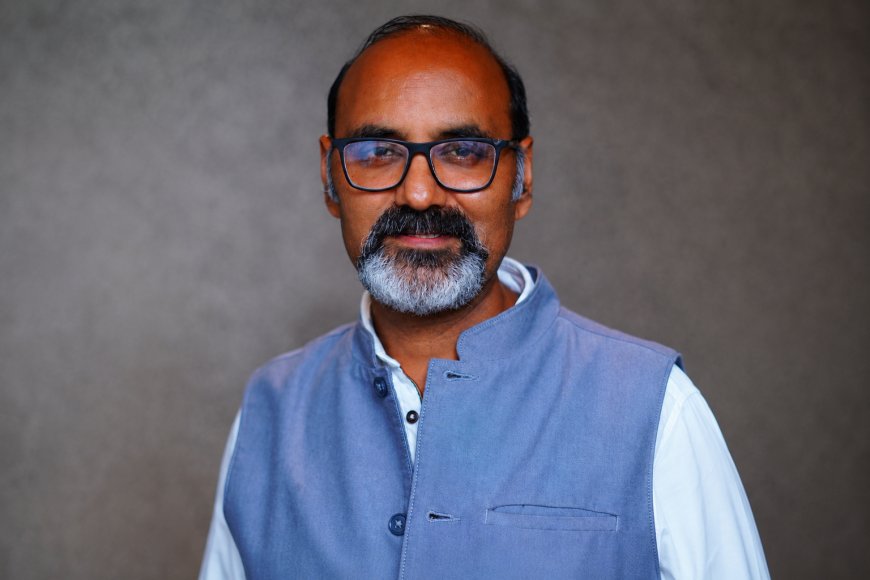
Biophilic design and a strong connection with nature form the foundation of good architecture, believes architect Rakesh Vasu, whose three decades of experience have been guided by functionality and nature-led design. Principal Architect at ARRV Architects & Interior Designers and Honorary Secretary of the Hyderabad Regional Chapter of the Institute of Indian Interior Designers (IIID-HRC), Vasu completed his B.Arch from the School of Planning and Architecture, JNTU, in 1996 and later earned a Master's in Interior Design. He believes people should remain connected to nature, whether at home or at work.
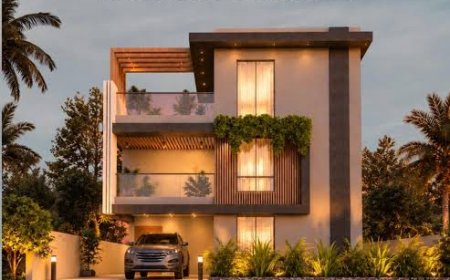
Describing his design philosophy, Vasu says "minimalist and vernacular designs" are his biggest sources of inspiration. He believes some of the best design ideas emerge from simple, locally rooted architecture, with natural light, ventilation and greenery forming the foundation of spaces that remain closely connected to nature.
Among the projects that have shaped his architectural thinking, Ar. Geoffrey Bawa's Heritance Kandalama Hotel in Sri Lanka stands out as his greatest inspiration. For Vasu, the project demonstrates how architecture can blend seamlessly with nature without disturbing the surrounding ecosystem. Its sensitive integration with the landscape continues to influence his own approach to design.
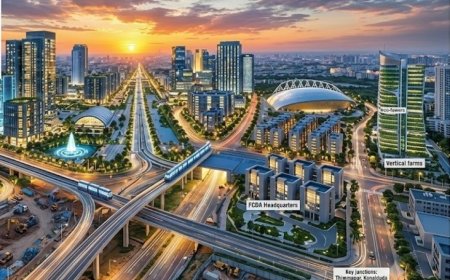
With Hyderabad expanding rapidly, Vasu says the city first needs basic infrastructure such as proper footpaths, calling it a fundamental step towards better urban development. He also believes architects should play a greater role in government decision-making, as their involvement in planning and infrastructure decisions across departments would help create more functional, well-planned and future-ready cities.
Client requirements remain central to every project, but architects must not only fulfil a client's vision but also educate them on sound design principles that benefit both people and the environment. Sustainability, local culture and the surrounding environment, according to Vasu, play a crucial role in shaping meaningful and context-sensitive architecture.
Artificial intelligence and digital tools have become valuable aids in the design process, Vasu says, but they cannot replace an architect's creativity and judgement. Looking ahead, he believes architecture will return to its roots, with functionality taking precedence over aesthetics as maintenance-free spaces with a stronger connection to nature shape the next generation of residential and commercial developments.
What's Your Reaction?
 Like
0
Like
0
 Dislike
0
Dislike
0
 Love
0
Love
0
 Funny
0
Funny
0
 Angry
0
Angry
0
 Sad
0
Sad
0
 Wow
0
Wow
0