


















Musi revival aims to tackle floods, sewage inflows
Hyderabad real estate to benefit from Musi river revival project tackling floods and sewage inflows. Discover how flood control, wastewater treatment and riverfront development will reshape property growth in Hyderabad.
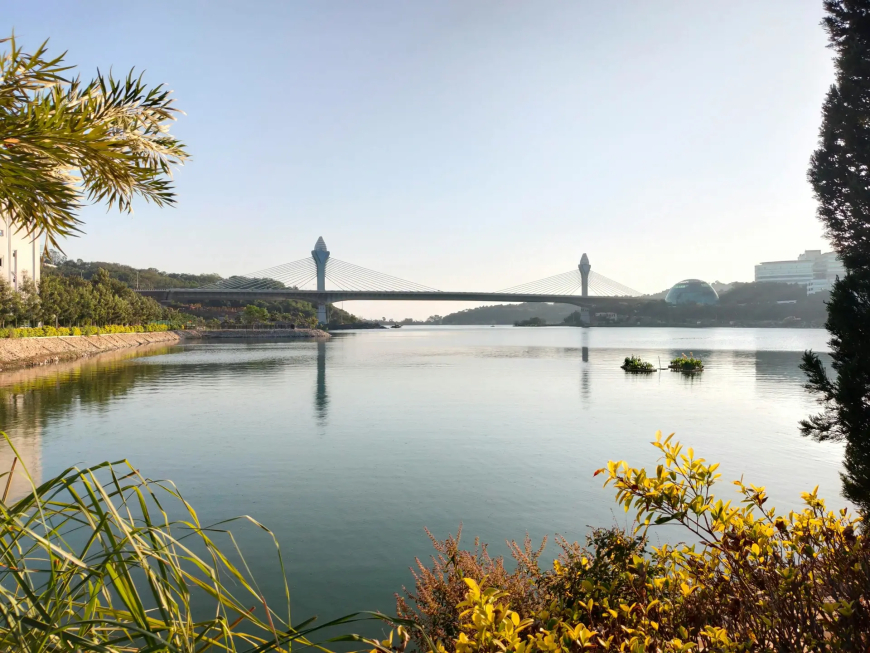
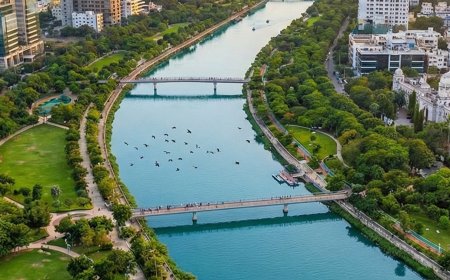
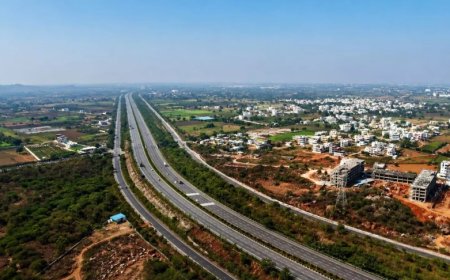
Beyond its urban development ambitions, the Musi river rejuvenation project is also being positioned as a major environmental and flood mitigation initiative for Hyderabad.
Hydrology studies carried out as part of the planning process highlight the increasing risks faced by the city due to extreme rainfall events and urban flooding. The urgency of the project became evident during the 2020 Hyderabad floods, when the city experienced its heaviest rainfall in more than a century.
The floods caused severe damages, with several low-lying neighbourhoods along the Musi river corridor severely affected. More than a thousand families were displaced as floodwaters entered residential areas, highlighting the vulnerability of settlements located along the river.
Climate projections suggest that such extreme rainfall events could become more frequent in the future. To address these risks, the Musi riverfront design includes a re-engineered river channel capable of handling 1-in-100-year flood events. Roorkee.
The project proposes flood mitigation walls, slope stabilisation measures and improved drainage networks along the river corridor to reduce flood risks in surrounding neighbourhoods.
Tackling the sewage problem
One of the biggest challenges facing the Musi today is the inflow of untreated sewage from across the city. Currently, 27 major nalas drain into the river, carrying wastewater from residential areas and urban drainage systems.
To address this, the project includes an extensive sewage interception and treatment programme. Interceptor sewers and trunk sewer mains will divert wastewater away from the river and channel it to these treatment facilities.
The project also proposes the reuse of treated grey water for landscaping, construction and industrial cooling.
Large balancing reservoirs are planned near major treatment plants to store treated wastewater before it is reused. Officials say these measures will reduce freshwater consumption while supporting green spaces and urban infrastructure along the riverfront.
Why Musi needs revival
• 27 nalas discharge into river.
• Encroachments along buffer zones.
• Solid waste dumping.
• Severe pollution levels.
• Reducing flood risks through modern hydrology-based design
• Promoting heritage tourism along the river corridor
• Supporting a 24-hour urban economy along the waterfront
What's Your Reaction?
 Like
0
Like
0
 Dislike
0
Dislike
0
 Love
0
Love
0
 Funny
0
Funny
0
 Angry
0
Angry
0
 Sad
0
Sad
0
 Wow
0
Wow
0