
















Construction industry needs stronger safeguards
Construction projects need stronger financial discipline, realistic costing and effective regulation. Launching projects with overly optimistic budgets, aggressive pricing or inadequate funding increases risks for developers, buyers, lenders and the wider real estate market.
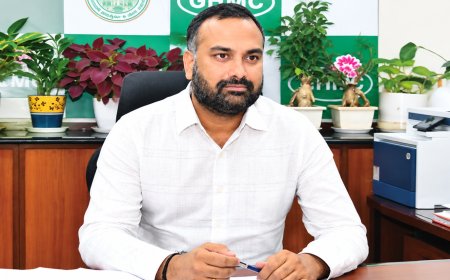
King Johnson Koyyada
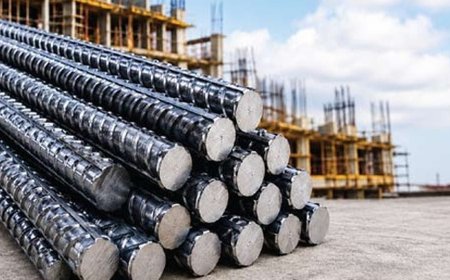
In construction, cutting corners at the planning stage is often more dangerous than mistakes made during execution. A project launched without realistic cost estimates, adequate funding or proper risk assessment may appear attractive initially, but its weaknesses often emerge long before completion. Those weaknesses ultimately affect developers, homebuyers, lenders and the wider real estate market.
The construction industry depends not only on engineering excellence but also on financial discipline and responsible project planning. Yet, some developments continue to be launched with aggressive pricing and optimistic assumptions that leave little room for unforeseen costs or market fluctuations. The result is increased risk for everyone involved in the project.
Many developers begin projects without fully assessing the economics of construction. They rely on optimistic projections, aggressive marketing and advance sales to sustain execution. At the same time, some homebuyers make purchase decisions primarily on price, assuming that a lower selling price automatically represents better value. When commercial viability is overlooked by both the developer and the buyer, the project itself becomes vulnerable.
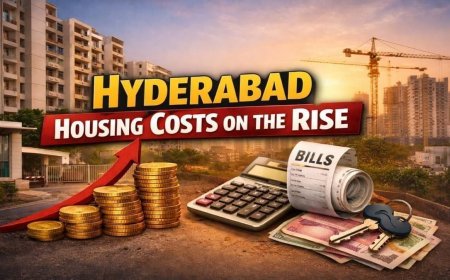
The financial realities of construction deserve closer attention. Industry estimates indicate that developing a modern high-rise project in Hyderabad can cost around ₹4,000 per sq. ft. Construction accounts for a significant share of this expenditure. In western Hyderabad, land prices often exceed ₹100 crore per acre, translating to roughly ₹2,500 per sq. ft. after considering development potential. Marketing, statutory approvals, financing costs and taxes can add another ₹1,000 per sq. ft. Despite these costs, some projects are introduced at ₹4,000–₹5,000 per sq. ft., leaving little margin to absorb cost escalation or unforeseen challenges. Such pricing models raise important questions about long-term financial sustainability.
Construction is among the most complex and risk-intensive businesses. Fluctuating material prices, labour shortages, regulatory approvals, financing constraints and engineering challenges can affect projects at any stage. Developers with experience, technical expertise and sound financial planning are generally better equipped to manage these risks than those entering the sector without adequate preparation.
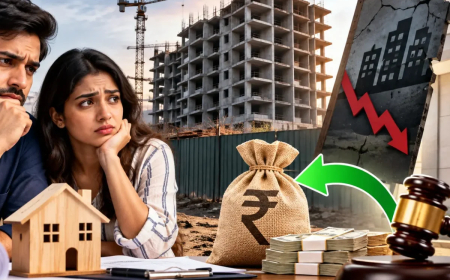
The consequences extend far beyond financial losses. A residential project represents the lifetime savings of hundreds of families. Delays, compromised quality or incomplete execution affect not only individual buyers but also confidence in the wider real estate market. Engineering excellence, quality control and financial discipline are therefore not merely business requirements—they are public responsibilities.
RERA's role in strengthening the sector
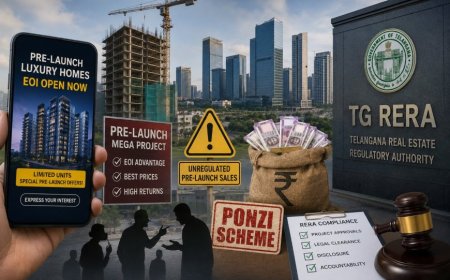
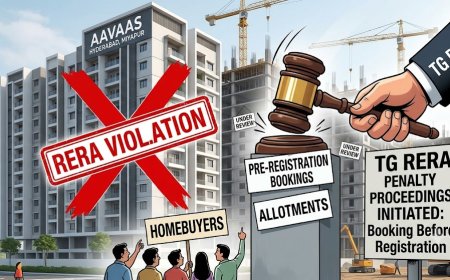
The Telangana Real Estate Regulatory Authority (TG RERA) has an important role in strengthening confidence in the market. Consistent enforcement against unauthorised pre-launch sales, strict action against regulatory violations and timely intervention in distressed projects would promote greater accountability while protecting homebuyers.
The industry would also benefit from greater financial transparency. Developers should be encouraged to adopt realistic pricing, robust project planning and responsible execution, while buyers should evaluate not only the price of a property but also the credibility of the developer, regulatory approvals and the project's financial viability. A healthy market cannot be built on unrealistic pricing or weak governance; it must be built on trust.
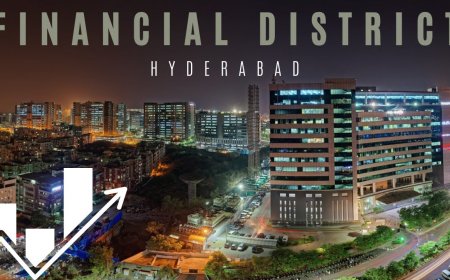
Hyderabad has earned a reputation as one of India's strongest real estate markets. Preserving that reputation will require disciplined project planning, sustainable pricing, transparent business practices and effective regulation. Long-term growth will not be driven by launching the cheapest projects, but by delivering projects that are financially viable, technically sound and worthy of the confidence that homebuyers place in them.
Project Discipline
- Realistic project costing is critical for sustainable development.
- Financial planning is as important as engineering quality.
- Unsustainable pricing can increase execution and delivery risks.
- Stronger RERA enforcement can improve market discipline.
- Buyers should assess project viability, not price alone.
- Transparency and accountability build long-term confidence in real estate.
What's Your Reaction?
 Like
0
Like
0
 Dislike
0
Dislike
0
 Love
0
Love
0
 Funny
0
Funny
0
 Angry
0
Angry
0
 Sad
0
Sad
0
 Wow
0
Wow
0