










CURE Bill to Steer Hyderabad’s New Growth Phase: GHMC Commissioner
As development expands, GHMC is focusing on infrastructure to meet growing traffic and connectivity needs, shifting from its six-flyover approach to single-flyover solutions at selected locations_ RV Karnan
SAMUEL JOSHUA
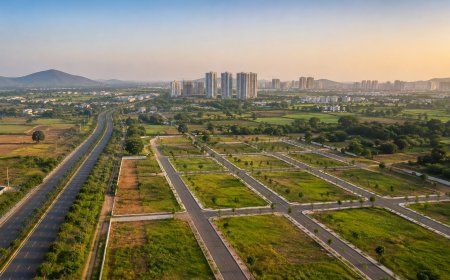
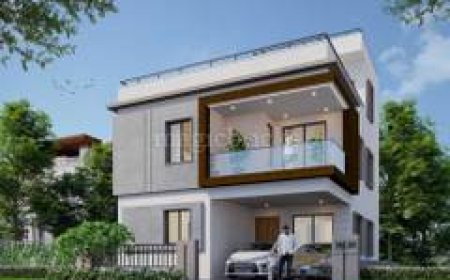
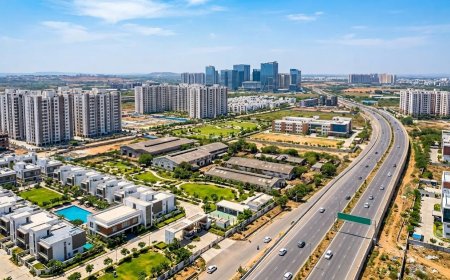
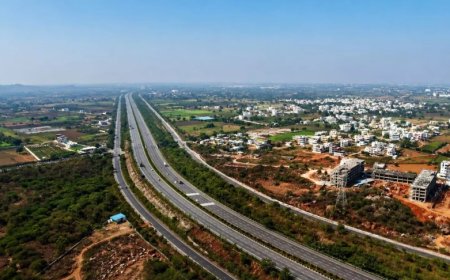
Hyderabad’s next phase of urban growth is taking shape beyond its established western and central pockets, with new residential and development corridors opening up across the city. Shamshabad, Tukkuguda, Adibatla and Malkajgiri are emerging as important locations for housing and infrastructure, widening the development footprint towards the ORR and beyond.
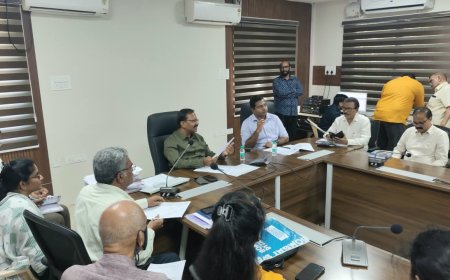
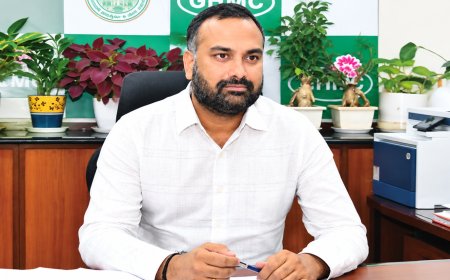
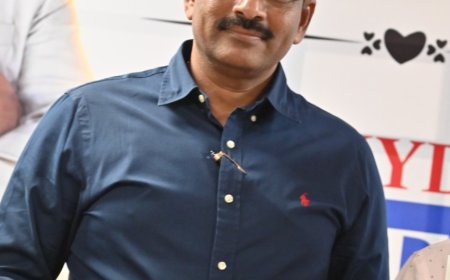
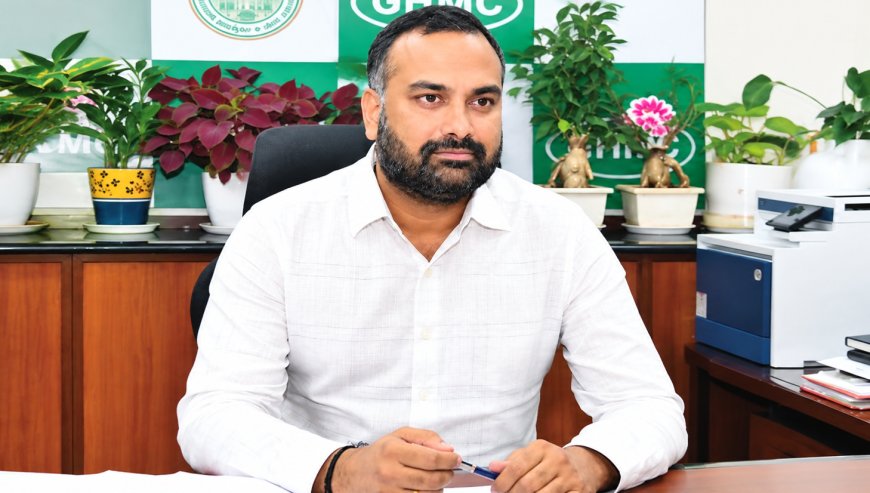
“The CURE Bill will help us bring development across the three corporations and improve convergence with traffic police, transport, water board, HMDA, electricity and pollution control authorities. This will enable us to manage Hyderabad’s growth in a coordinated manner,” said R.V. Karnan, Commissioner, Greater Hyderabad Municipal Corporation (GHMC).
He added that the expansion is being driven by different types of development across the Core Urban Region (CURE). Western Hyderabad, particularly Cyberabad, is seeing strong residential activity, while the existing GHMC area continues to serve as the administrative and institutional centre, housing the legislature, Secretariat, High Court and airport infrastructure.
Shamshabad is emerging as a growth engine, with residential activity gaining momentum around the new High Court complex in the Rajendranagar-Shamshabad corridor. Karnan said the pattern seen earlier in Narsingi and Nanakramguda could be repeated in Shamshabad, while Tukkuguda and Adibatla are also seeing development linked to the proposed Future City.
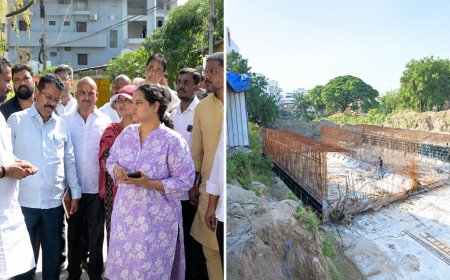
As development spreads across these emerging corridors, infrastructure is also being planned to meet growing traffic and connectivity needs. Karnan added that GHMC is working on flyovers, with the approach shifting from an earlier proposal for six flyovers at different junctions to a single-flyover solution at selected locations based on traffic requirements. The one-way system and free-left arrangements around KBR Park are helping ease movement, while missing-link roads connecting the inner ring road and other corridors are being identified to reduce detours and improve connectivity.
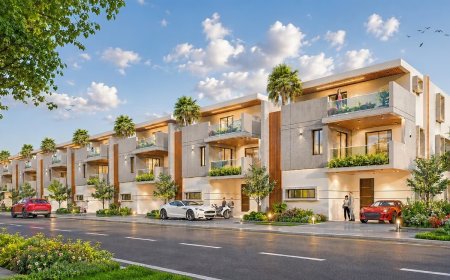
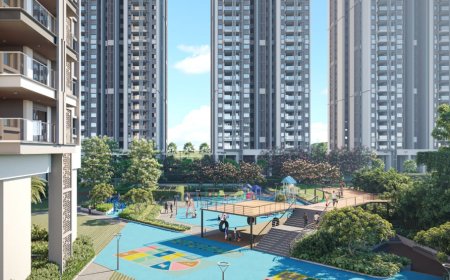
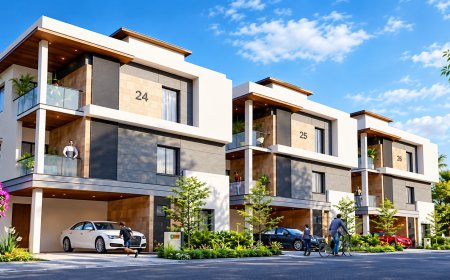
Malkajgiri is opening up another side of Hyderabad’s housing expansion, with larger land parcels creating room for apartments, villas and housing projects across different income segments. Karnan noted that the availability of such parcels could help the area cater to lower- and middle-income groups as residential development expands beyond the western corridor.
Together, the three corporations can support a wider mix of housing, including affluent, middle-income and transit-oriented development, Karnan added. Under the CURE framework, each corporation will have its own administrative and financial responsibilities, while following a common approach to regional development.
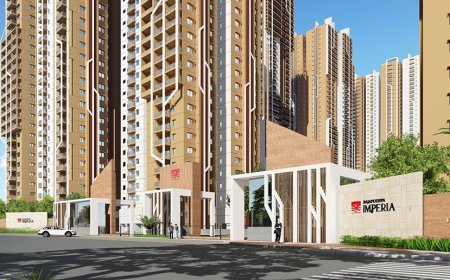
For high-rise development, the focus is on master-plan provisions and road capacity. Karnan said high-rises are planned along roads of 100 feet or more, with land availability and road width considered for balanced development.
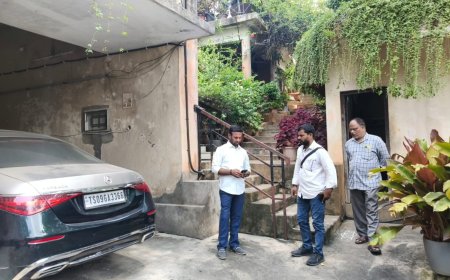
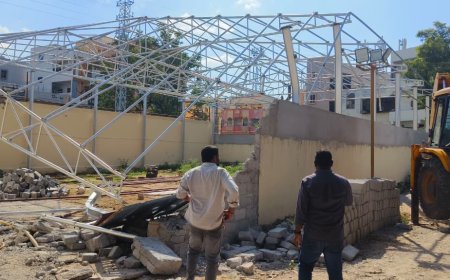
As part of its crackdown on unauthorised construction, GHMC has tightened enforcement under the TG-bPASS Act to intervene before structures are completed or occupied. According to Karnan, the process includes displaying building permissions at construction sites, a three-day window after a show-cause notice and physical sealing of violations.
The Commissioner stressed that infrastructure gaps cannot be addressed through short-term measures and require sustained efforts. “City building is a continuous process, and the CURE Bill is going to help us in a big way,” he said.
GHMC is also continuing its engagement with Resident Welfare Associations on sanitation and public health. Karnan said solid waste management rules would require greater participation from RWAs, making them an important link in civic services. Their involvement will also help improve waste segregation, collection and local-level monitoring, particularly as residential areas continue to expand across the city.
What's Your Reaction?
 Like
0
Like
0
 Dislike
0
Dislike
0
 Love
0
Love
0
 Funny
0
Funny
0
 Angry
0
Angry
0
 Sad
0
Sad
0
 Wow
0
Wow
0