





























Steel, Bitumen Price Rise Adds Pressure on Hyderabad Construction Costs
Rising input costs are squeezing construction budgets, with developers and contractors facing fresh pressure across Hyderabad’s housing and infrastructure projects.
SAMUEL JOSHUA
The rise in steel and bitumen prices is adding pressure on construction costs in Hyderabad, with high-rise buildings and large gated communities facing a direct impact on structural work, road development and overall project budgets.
“Steel alone accounts for around 12% to 15% of hard construction costs, while a 10% to 15% rise in steel prices can translate into a 1.5% to 3% increase in overall project construction expenditure,” said K. Sreedhar Reddy, President, NAREDCO, Telangana.
Cement prices are also set to rise, adding to the cost pressure on new housing projects. Cement manufacturers are expected to raise prices by ₹30 to ₹40 per bag from September 5, which could push prices up by up to 10% across the Telugu states. The increase is attributed to higher raw material, packaging and transportation costs.
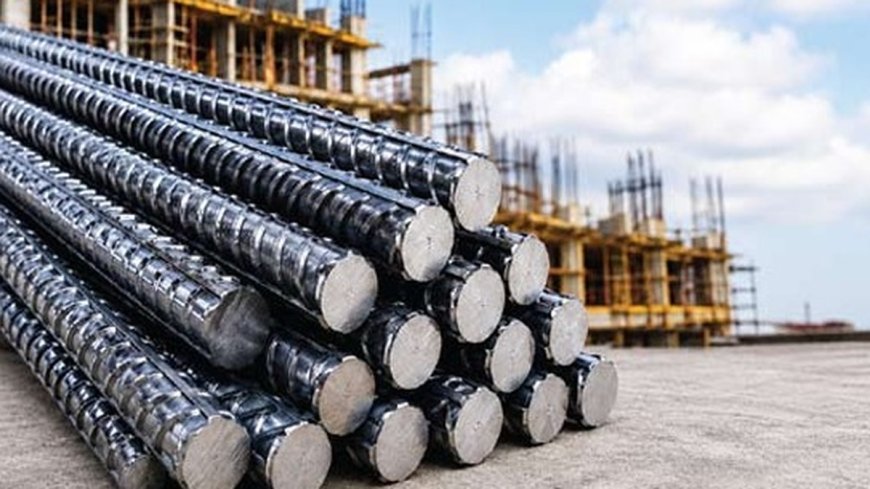
For a 1 lakh sq ft high-rise, Reddy estimates that developers typically need around 450 to 550 metric tonnes of TMT steel. Steel prices are currently approximately ₹60,000 to ₹72,000 per metric tonne in Hyderabad, and the recent price rise can add around ₹30 lakh to ₹50 lakh to the direct construction cost.
The requirement is higher in high-rise projects because of deeper foundations, basements, shear walls and stronger structural frames. Reddy said towers of more than 30 floors also need additional steel to handle wind and earthquake forces, while wider column spans and open layouts can further increase steel use.
Steel, cement, shuttering and foundations together account for nearly 40% to 45% of the main construction cost, Reddy added. This means a 10% to 15% rise in steel prices can have a significant impact on the overall cost of a project.
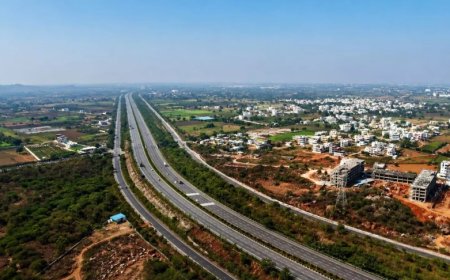
Bitumen prices have also risen by around 12% to 18%, adding to the cost of internal roads in large housing projects. Sreedhar Reddy said VG-30 and VG-40 bitumen now cost approximately ₹42,000 to ₹52,000 per metric tonne, while global crude oil prices and freight costs are influencing rates.
For a large gated community spread across 10 to 15 acres, internal roads can extend to around 1 to 1.5 km and may require 15 to 35 metric tonnes of pure bitumen, depending on road width and pavement design. A standard 6 to 9 metre wide road can use around 15 to 25 metric tonnes of bitumen per kilometre.
The rise in bitumen prices has pushed road paving costs up by around 6% to 10%, adding ₹1.5 lakh to ₹3.5 lakh per km for a standard internal asphalt road, while laying costs have risen by ₹8 to ₹15 per sq ft. Reddy noted that fixed-price contractors are facing pressure on margins and cash flow, while developers are absorbing the higher input costs for homes already booked under existing customer agreements.
Sreedhar Reddy added that the latest input-cost pressure highlights the need for greater cost efficiency and better supply-chain planning across the construction sector. If high steel and bitumen prices persist, he said modest price realignments of 1% to 3% may be considered for new project launches or uncommitted inventory, while contingency provisions and supplier agreements can help developers manage short-term fluctuations.
Despite the input-cost pressure, Reddy also noted that Hyderabad’s real estate and infrastructure market remains resilient, supported by demand from the IT, pharma and enterprise sectors and continued investment in infrastructure, township roads and civic connectivity. He said the industry is focusing on execution efficiency, technology and supply-chain management to manage costs and sustain project activity.
What's Your Reaction?
 Like
0
Like
0
 Dislike
0
Dislike
0
 Love
0
Love
0
 Funny
0
Funny
0
 Angry
0
Angry
0
 Sad
0
Sad
0
 Wow
0
Wow
0