




























Hyderabad Explores 40.82-km Driverless Pod Taxi Network
The feasibility report proposes links across the IT corridor & projects daily ridership at 20.31 lakh by 2050.
PROPERTY PULSE
Hyderabad is examining a proposed 40.82-km Personal Rapid Transit System (PRTS) that could connect the IT corridor, Knowledge City, the Financial District and the Secretariat area through automated pod taxis. The proposed network is intended to improve last-mile connectivity for commuters travelling between metro stations, offices and other destinations.
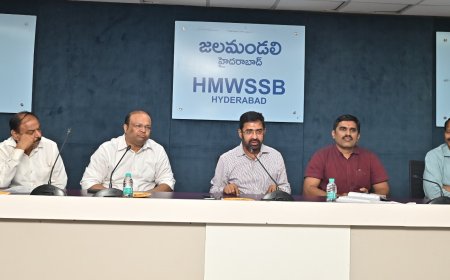
Officials of Hyderabad Metro Rail Limited (HMRL) presented the project’s technical and financial feasibility report to Chief Minister A. Revanth Reddy. The government is exploring implementation through a public-private partnership (PPP) model.
The project remains at the proposal and feasibility-study stage. Its final cost, fares, construction commencement date, and completion schedule have not been decided.
Also Read: Metro Phase-2 Moves Closer to Key Clearances
Four Proposed Corridors
Consultancy firm LEA Associates conducted a three-month study examining alternative driverless pod taxi networks of 44.62 km and 56.98 km. The report proposed a hybrid network of 40.82 km by combining suitable elements of the alternatives.
The four proposed corridors are:
- Kukatpally–Raidurg: 7.62 km
- Raidurg–Knowledge City: 12.83 km
- Raidurg/HITEC City–Financial District: 14.01 km
- Secretariat–NTR Marg: 6.36 km
The plan envisages phased development, with 34.66 km targeted by 2030, 39.36 km by 2040 and the full 40.82-km network by 2050.
The feasibility report projects daily passenger numbers of 5.42 lakh by 2030, 15.47 lakh by 2040 and 20.31 lakh by 2050. These are estimates based on anticipated travel demand, not confirmed ridership.
Actual passenger numbers will depend on route coverage, fares, service frequency and integration with existing public transport.
Also Read: Hyd plans 3 new pedestrian skywalks
How Pod Taxis Work?
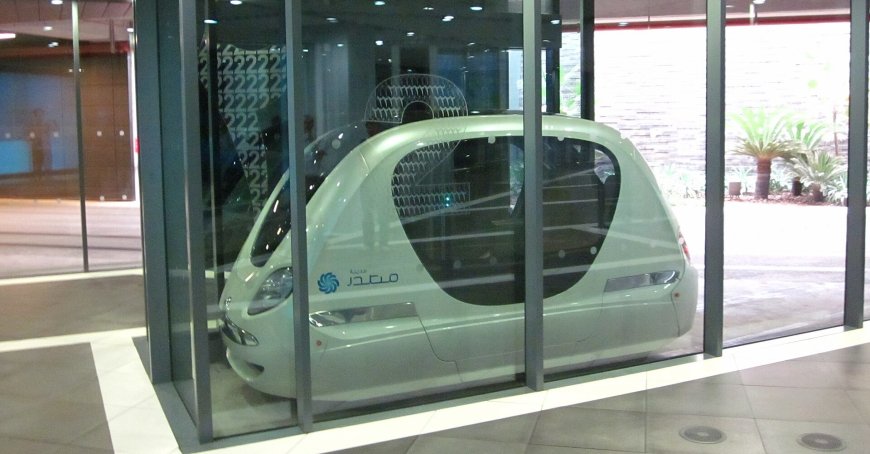
Pod taxis are small electric vehicles designed to operate on dedicated tracks or elevated guideways. Automated control systems allow them to run without drivers. HMRL's earlier preliminary concept considered pods carrying four to six passengers, although final vehicle capacity and other technical specifications remain unconfirmed.
The proposed system could provide an additional option for short-distance journeys, particularly between metro stations and office districts. However, its effectiveness will depend on convenient station access, connectivity between corridors, affordability and passenger adoption.
Mumbai’s Bandra-Kurla Complex has also been associated with a proposed 8.85-km elevated pod taxi network estimated to cost around ₹1,016 crore under a PPP model. Reports in 2026 indicated that construction activities had begun on that project.
Also Read: JNTU–Miyapur–Raidurg 8.5-km Corridor to Get Last-Mile Mobility Study
Execution to Determine its Value
For Hyderabad, the proposed driverless pod taxi network would need to integrate effectively with metro rail, buses, auto-rickshaws and cabs. Passenger safety, emergency response, maintenance, accessibility, and coordination with existing roads would also require attention.
The project could add another layer to the city’s public transport network, but the feasibility report alone does not guarantee implementation. Government decisions on funding, routes and execution will determine whether the proposal advances.
Everything About Pod Network:
- Proposed network spans 40.82 km
- Four corridors connect key urban destinations
- Full network targeted for 2050
- Daily ridership projected at 20.31 lakh
- Initial phases target completion by 2030
- Final costs and fares remain undecided
What's Your Reaction?
 Like
0
 Dislike
0
 Love
0
 Funny
0
 Angry
0
 Sad
0
 Wow
0