























Energy ratings may be mandatory for buildings
The Central Government has proposed mandatory energy efficiency ratings for residential and commercial buildings under the Draft National Electricity Policy-2026.
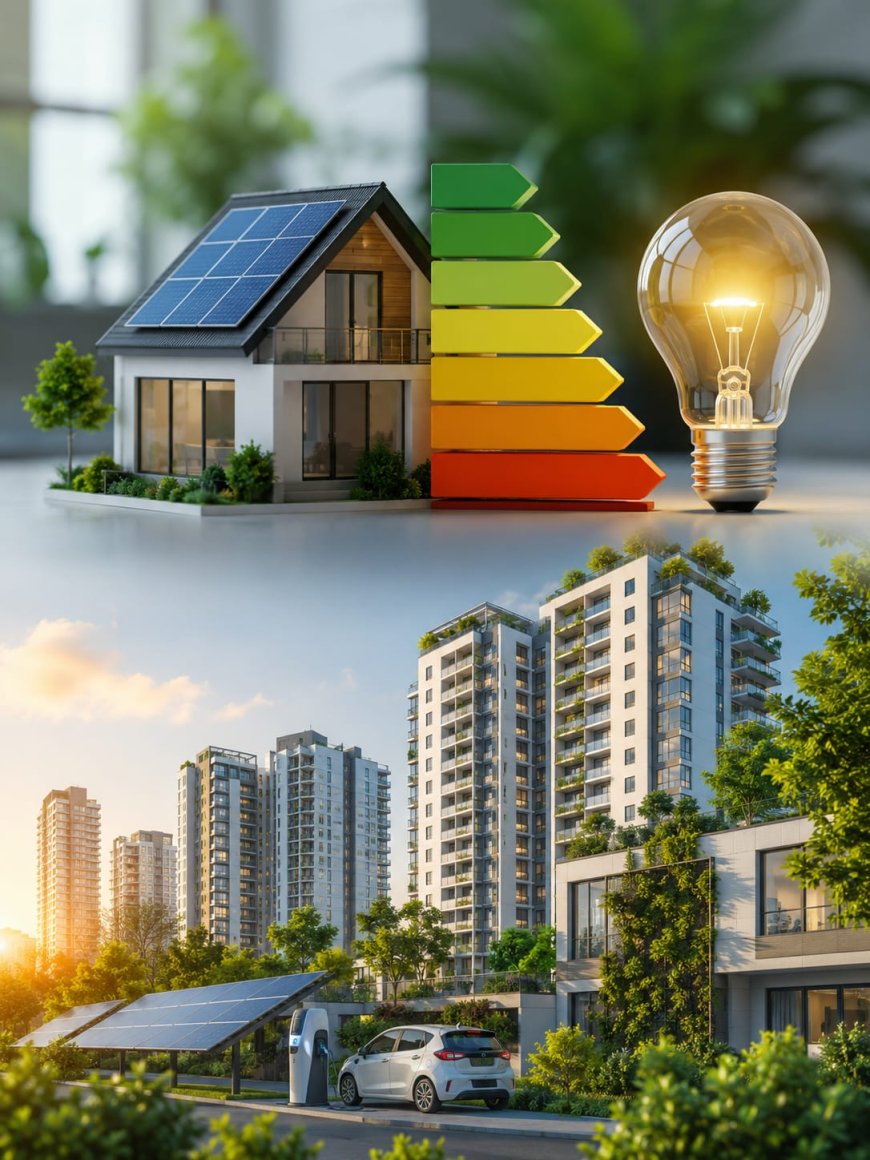
Draft electricity policy proposes efficiency labels for homes and offices
Property pulse
Homebuyers may soon be able to compare residential projects not only on location, price and amenities, but also on their energy efficiency. The Central Government has proposed introducing mandatory energy efficiency ratings for residential and commercial buildings under the Draft National Electricity Policy-2026, a move that could influence future buying decisions and construction practices.
The proposed framework envisages a rating system similar to the star labels used for electrical appliances. Buildings would be assessed on parameters such as design, thermal insulation, natural ventilation, daylight utilisation and the energy efficiency of air-conditioning systems, lighting and other electrical equipment. The proposal is aimed at encouraging energy-efficient construction and reducing electricity consumption.
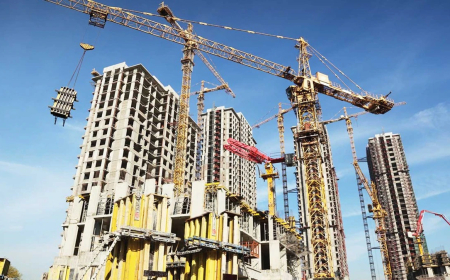
For developers, the policy is expected to increase the focus on energy-efficient building design and construction. Future projects may need to incorporate better insulation, ventilation, efficient lighting systems and energy-saving technologies to achieve higher ratings. Such features could also become an important differentiator in a competitive housing market.
For homebuyers and tenants, the proposed ratings could provide a standardised benchmark to compare properties before making a purchase or rental decision. Buildings with higher energy efficiency are expected to consume less electricity, resulting in lower power bills, improved indoor comfort and reduced environmental impact over the life of the property.
The proposal comes as India's electricity demand continues to rise with the growing use of air conditioners, electric vehicles and data centres. The Centre estimates that the country's peak power demand could approach 300 GW in the coming years, making energy conservation an important policy priority.
The draft policy is currently under consultation. The Ministry of Power will seek feedback from state governments, electricity utilities and industry stakeholders before finalising the National Electricity Policy-2026. If adopted, the framework could make energy performance an important factor in the design, marketing and purchase of future residential and commercial projects.
Optimising usage
- Greater focus on energy-efficient design.
- Better insulation and natural ventilation.
- Efficient lighting and HVAC systems.
- Energy rating could become a marketing differentiator.
- Home buyers see lower electricity bills, better indoor
- comfort, easier comparison between projects.
What's Your Reaction?
 Like
0
Like
0
 Dislike
0
Dislike
0
 Love
0
Love
0
 Funny
0
Funny
0
 Angry
0
Angry
0
 Sad
0
Sad
0
 Wow
0
Wow
0