







Godavari Water Lifeline: 17.5 TMC for Hyderabad, 2.5 TMC for Musi Restoration
The projects are expected to play a key role in securing Hyderabad’s future water needs as the metropolitan region continues to expand and urbanise.
SAMUEL JOSHUA
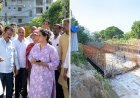
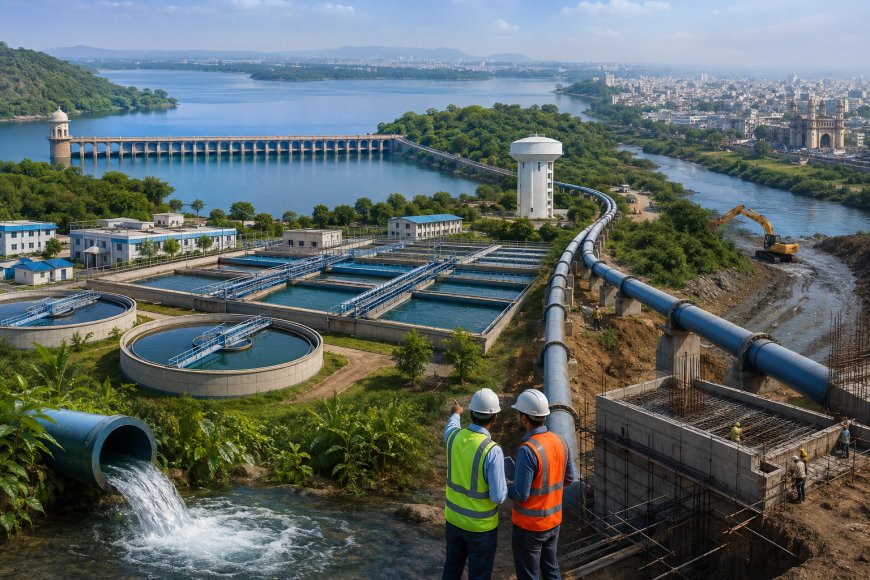
Hyderabad is set for a major boost to its water and sewerage infrastructure, with the Telangana government unveiling the Godavari Drinking Water Supply Scheme Phase-II & III alongside a series of sewage treatment projects aimed at strengthening the city’s long-term water security and supporting the rejuvenation of the Musi River.
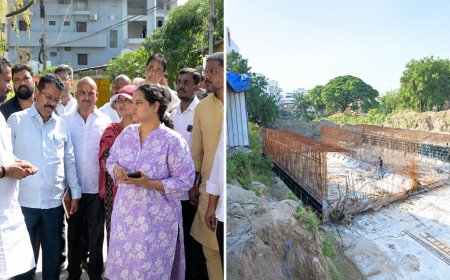
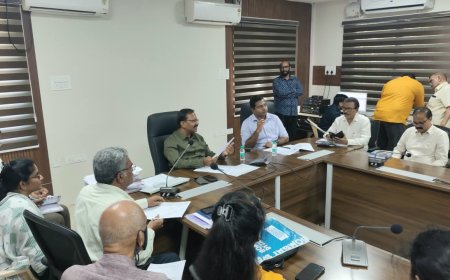
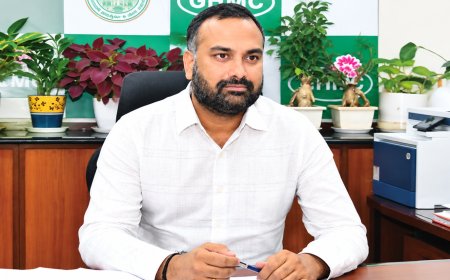
“The Water Board is expediting the completion of the Master Balancing Reservoir and Water Treatment Plant works under the Rs 7,360-crore Godavari Drinking Water Supply Scheme Phase-II & III to bring an additional 20 TMC of water to Hyderabad and fill the twin reservoirs of Osman Sagar and Himayat Sagar as part of the Musi rejuvenation programme,” said Ashok Reddy, Managing Director, Hyderabad Metropolitan Water Supply and Sewerage Board (HMWSSB).
He further added that, as part of the government's goal of achieving 100 per cent sewage treatment, Chief Minister A. Revanth Reddy inaugurated six sewage treatment plants, including the Amberpet STP, and laid the foundation stone for 39 new STPs with a combined treatment capacity of 972 megalitres per day (MLD) across 39 locations within the Outer Ring Road limits.
Hyderabad currently receives 602 million gallons per day (MGD) of water from various sources, and the government has set a target of adding 300 MGD by 2030 to meet future demand. Ashok Reddy noted that Hyderabad has an allocation of up to 30 TMC from the Godavari River, leading to the development of the Godavari Drinking Water Supply Scheme Phase-II & III to cater to the city's long-term water requirements.
Under the Godavari Drinking Water Supply Scheme Phase-I, the Water Board is already drawing 10 TMC of water from the Yellampalli Project. The Phase-II & III project, scheduled for completion by December 2027, will source an additional 20 TMC from the Mallanna Sagar Reservoir, with 17.5 TMC allocated for Hyderabad’s drinking water needs and 2.5 TMC for the Musi River rejuvenation programme. Upon completion, the project will supply an additional 300 million gallons per day (MGD) of drinking water and benefit a population of 1.34 crore across Hyderabad and the Telangana Core Urban Region (TCUR).
Ashok Reddy said the Detailed Project Report (DPR) for the scheme was prepared by WAPCOS and includes pump houses, substations, a 3,000-mm transmission pipeline from Mallanna Sagar to Ghanpur, and two 1,170-megalitres-per-day (MLD) Water Treatment Plants at Ghanpur and Shamirpet, along with pumping mains to Muthangi and other associated infrastructure.
To protect water quality in the Osman Sagar and Himayat Sagar reservoirs, the Water Board has proposed two 9-megalitres-per-day (MLD) sewage treatment plants (STPs) at Osman Sagar and two 11-MLD STPs at Himayat Sagar at an estimated cost of Rs 82.83 crore, with implementation planned over two years. Ashok Reddy added that sewerage projects worth Rs 16,171.93 crore are required across the metropolitan region, with DPRs prepared to meet infrastructure needs up to 2050.
While the total estimated cost of drinking water supply and sewerage projects proposed by the Water Board stands at Rs 27,231.93 crore, recently approved projects include a 5-million-litre (ML) Ground Level Service Reservoir (GLSR) at Mahendra Hills and a 7.5-ML GLSR at Asmangadh at a combined cost of Rs 30 crore, Ashok Reddy noted.
Meanwhile, future plans include rehabilitation of the Manjira Water Supply Network at Rs 722 crore, rehabilitation of the Osman Sagar conduit along with an additional 21-million-gallons-per-day (MGD) line at Rs 282 crore, and the proposed Radial Ring Main and Link Network spanning 140 km and 98 km at an estimated cost of Rs 8,000 crore.
The projects are expected to play a key role in securing Hyderabad’s future water needs as the metropolitan region continues to expand and urbanise.
What's Your Reaction?
 Like
0
Like
0
 Dislike
0
Dislike
0
 Love
0
Love
0
 Funny
0
Funny
0
 Angry
0
Angry
0
 Sad
0
Sad
0
 Wow
0
Wow
0