






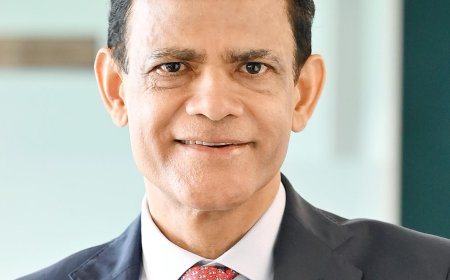
















Real estate could be a $1 trillion market by 2030: Anuj Puri
Anarock Chairman Anuj Puri discusses India's real estate market potential to reach $1 trillion by 2030, Hyderabad's housing and office market growth, foreign investment, REITs, luxury housing and the challenges facing affordable housing.
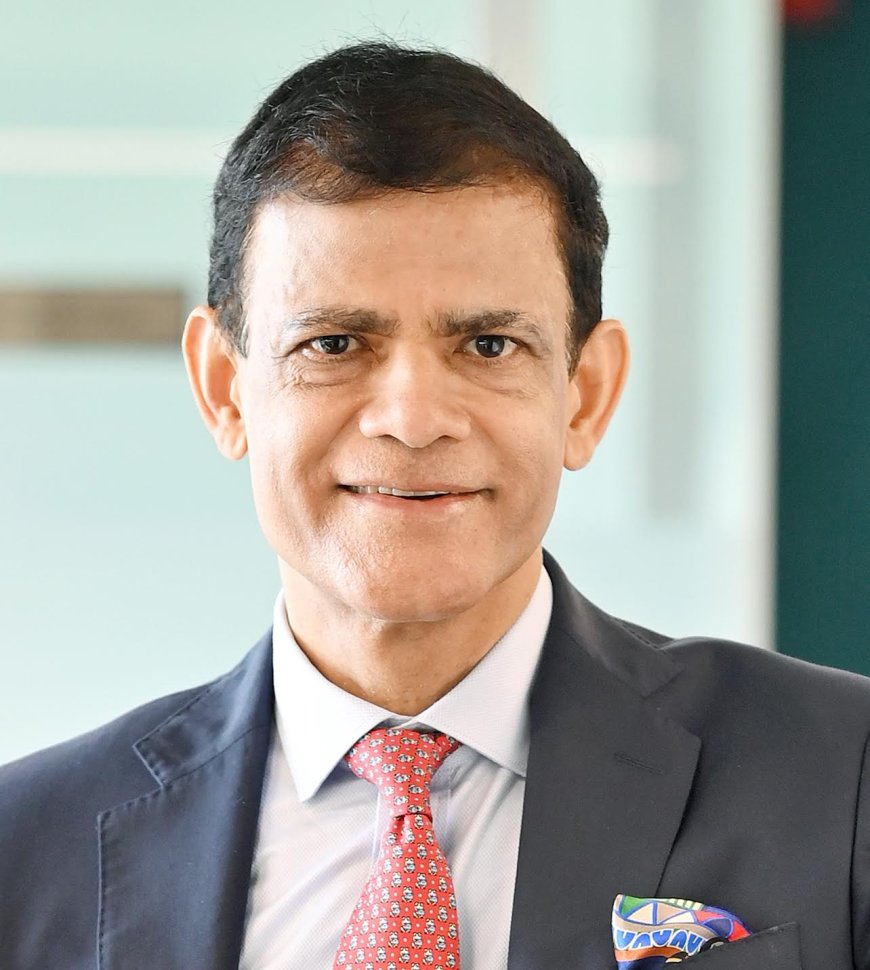
Anarock chairman says Hyderabad and Bengaluru are among the fastest-growing markets as office, luxury housing and REITs reshape the sector
(King Johnson Koyyada, Kolkata)
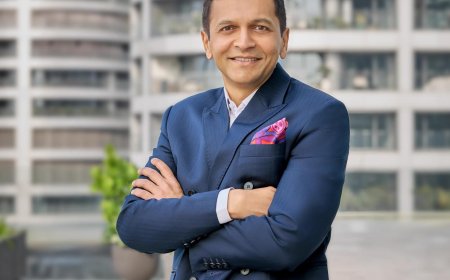
India’s real estate market is entering a new phase of expansion, with the sector potentially reaching $1 trillion by 2030, says Anuj Puri, chairman, Anarock Group. Rising incomes, urbanisation, infrastructure development and sustained end-user demand are creating a broad-based growth opportunity, while commercial real estate, data centres and warehousing are adding new engines to the sector.
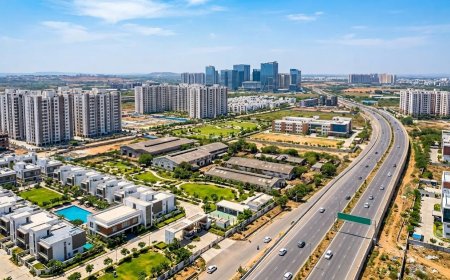
Hyderabad is emerging as one of the key markets in this expansion. Housing sales in the city rose 15 per cent in the July-September quarter, even as launches more than doubled. The office market is also seeing strong demand, supported by global capability centres and technology-led occupiers.
In an exclusive interaction with Property Pulse’s Johnson Koyyada on the sidelines of Credai NATCON 2026 in Kolkata, Puri spoke about the $1-trillion opportunity, foreign investment, REITs, luxury housing, affordability, younger buyers and Hyderabad’s growth prospects.
Excerpts:
Q. How do you see the Indian real estate market evolving?
Anuj Puri: India’s real estate market is being supported by several structural factors — rising household incomes, rapid urbanisation, infrastructure development and sustained end-user demand. These are creating a much larger addressable market across residential and commercial real estate.
At the same time, the sector is no longer dependent only on housing. Commercial leasing, warehousing and data centres are emerging as important growth engines. As businesses expand and consumption patterns change, the demand for quality real estate across different asset classes is increasing.
ANAROCK estimates that Indian real estate could become a $1 trillion market by 2030. The opportunity is significant, but it will depend on continued economic growth, infrastructure creation, improved regulatory processes and the ability of developers to deliver quality assets at viable price points.
Q. Which cities are currently showing the strongest growth?
Anuj Puri: Hyderabad and Bengaluru have emerged among the fastest-growing major housing markets. In the July-September quarter, housing sales grew 15 per cent in Hyderabad and 12 per cent in Bengaluru. The Mumbai Metropolitan Region continues to be the largest market in terms of overall scale.
What is encouraging is that growth is not restricted to one geography or one segment. Different cities are benefiting from employment growth, infrastructure expansion and improving connectivity. The cities that can combine these factors with a strong economic base are likely to remain the major beneficiaries of the next phase of real estate growth.
Foreign capital and REITs
Q. Will foreign investment in Indian real estate increase?
Anuj Puri: Foreign investment is likely to increase as India continues to offer a combination of economic growth and a relatively attractive long-term real estate opportunity. Investors, however, also look for predictability — in taxation, approvals, repatriation and exit mechanisms.
India attracted $5.1 billion in real estate investment in the first quarter of 2026, a 72 per cent increase over the year-ago period. That indicates that institutional investors continue to see value in the Indian market.
The next step is to make the investment environment even more predictable and transparent. Faster approvals, consistent regulations and easier exit mechanisms can help India attract a larger pool of global capital.
Q. Why have REITs not grown faster in India?
Anuj Puri: Awareness of REITs is certainly increasing, but the market remains underpenetrated. One reason is the relatively short track record compared with mature global markets. Another is the concentration of listed REITs largely in office assets.
The opportunity is much wider. Fully leased Grade A offices, data centres, logistics assets and well-run malls can all provide suitable opportunities for institutional ownership and REIT structures. As the market develops and investors become more familiar with the product, REITs should have considerable room to grow.
Housing is becoming more premium
Q. What are homebuyers looking for today?
Anuj Puri: The residential buyer has become more discerning. There is a clear trend towards upgrading, particularly among end-users and higher-income professionals. Three-bedroom homes remain the preferred configuration, while the ₹90 lakh-₹1.5 crore price range continues to attract significant interest.
At the premium end, the shift is even more visible. Homes priced above ₹1.5 crore accounted for 53 per cent of new launches in the first quarter of 2026. This reflects both the increasing purchasing power of certain sections of buyers and the willingness of developers to launch larger and more premium projects.
Q. Why is affordable housing losing share?
Anuj Puri: The biggest challenge is land economics. Affordable housing requires developers to work with relatively low selling prices, while land costs in major urban markets have risen significantly. This makes it difficult to maintain viable margins.
Affordable housing accounted for only 6 per cent of launches in the second quarter of 2026, compared with around 52 per cent in 2018. The decline is a clear indication of the pressure created by land prices and development costs.
There is a need for policy intervention through measures such as access to subsidised land, faster approvals and cheaper financing. The definition and price limits for affordable housing also need to reflect the realities of different cities.
Hyderabad’s growth story
Q. How do you see Hyderabad’s residential market?
Anuj Puri: Hyderabad continues to be one of the strongest markets in the country. Housing sales increased 15 per cent to 12,970 units in the third quarter, while launches increased 120 per cent to 18,950 units.
The important point is that the city continues to attract both end-user and investment demand. Its employment base, infrastructure, expanding business districts and relatively strong residential market have helped Hyderabad remain an important growth market.
The challenge, as with other major cities, is to ensure that increasing prices do not undermine affordability. Developers will have to remain conscious of the price points at which genuine end-user demand exists.
Q. What is driving Hyderabad’s office market?
Anuj Puri: Global capability centres are an important driver of Hyderabad’s office demand. The city has around 36 million sq ft of upcoming office supply, taking its overall stock to approximately 125 million sq ft.
Net absorption was about 8.5 million sq ft in 2025 and 5.2 million sq ft in the first half of 2026. This indicates that occupier demand remains healthy.
Hyderabad’s combination of talent availability, infrastructure, connectivity and comparatively competitive operating costs continues to make it attractive to technology companies and global businesses.
Q. What are the biggest challenges facing the market?
Anuj Puri: Affordability remains one of the biggest concerns. In the top seven cities, prices have continued to rise, while buyers are increasingly conscious of the overall cost of ownership.
The answer is not simply to look at the headline price. Buyers need to evaluate location, construction quality, phase-wise development, handover timelines, maintenance costs, safety, amenities and the developer’s delivery record. Developers, meanwhile, need to ensure that pricing remains aligned with the purchasing capacity of their target market.
Q. Where do you see the next major opportunities?
Anuj Puri: Data centres, logistics, warehousing, Grade A offices and hospitality-linked assets will increasingly complement traditional residential development. The growth of these asset classes will be closely linked to infrastructure, employment and connectivity.
For cities such as Hyderabad, this creates a wider opportunity. Real estate growth will increasingly be driven by the ecosystem around the property — jobs, transport, digital infrastructure, social infrastructure and the quality of urban development.
REALTY OUTLOOK
India’s real estate market could reach $1 trillion.
Hyderabad housing sales rose 15 per cent.
Office absorption remains strong across major cities.
Affordable housing launches fell to 6 per cent.
Data centres are adding a new growth engine.
(Author Contact: 9030034591, send your feedback on this interview to editor.propertypulse@gmail.com)
What's Your Reaction?
 Like
0
Like
0
 Dislike
0
Dislike
0
 Love
0
Love
0
 Funny
0
Funny
0
 Angry
0
Angry
0
 Sad
0
Sad
0
 Wow
0
Wow
0