





















Real Estate Should Be Recognised as a Key Economic Sector: Gummi Ram Reddy
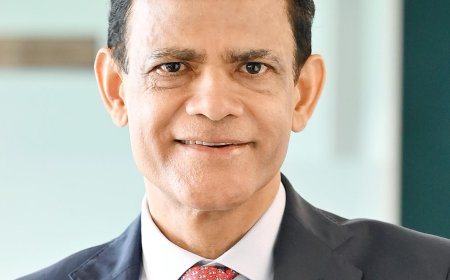
CREDAI president-elect Gummi Ram Reddy has urged the Central government to officially recognise real estate as a key economic sector, citing its contribution to economic growth, employment and allied industries. Speaking at CREDAI NATCON 2026 in Kolkata, he highlighted the sector’s multiplier effect, the expansion of Global Capability Centres and India’s real estate market growth potential to $1 trillion by 2030.
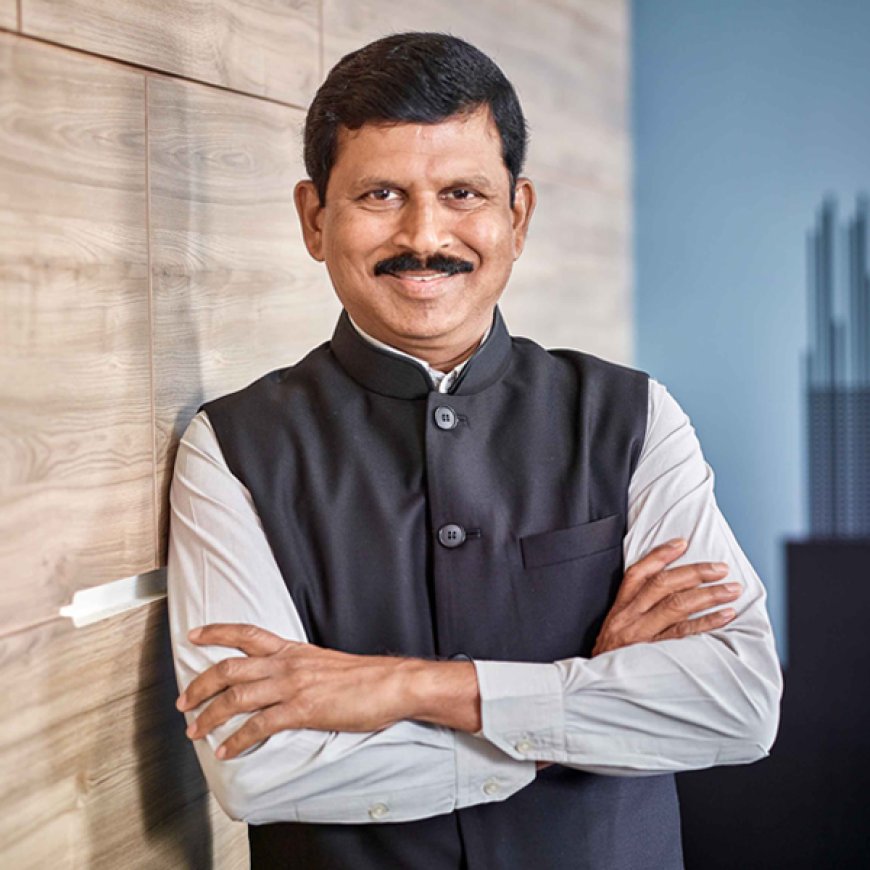
Realty needs to be seen as key economic sector: Gummi Ram Reddy
CREDAI president-elect says industry’s economic linkages and employment impact warrant formal recognition
PROPERTY PULSE, KOLKATA
The Central government should officially recognise real estate as a key economic sector, given its contribution to economic growth, employment and a wide network of allied industries, said Credai president-elect Gummi Ram Reddy. Speaking at Credai NATCON 2026 in Kolkata, Reddy said real estate should not be viewed merely as construction and sale of housing. Its activity has a multiplier effect across industries ranging from cement, steel, paints, tiles and sanitary products to electrical equipment, furniture, architecture, engineering, banking and financial services. “Growth in real estate has a multiplier effect across allied industries, while a slowdown can also have a wider economic impact,” he said.
Sector poised for expansion
A report released at NATCON projects India’s real estate market to grow from around $600 billion in 2025 to $1 trillion by 2030, supported by urbanisation, rising incomes, housing demand, commercial requirements and the expansion of global companies.
A joint Credai-Anarock report also found that the value of residential projects under construction across India reached $430 billion in 2025, compared with $235 billion in 2019. Reddy said the sector’s employment footprint was another reason for formal recognition. The ecosystem includes construction workers, engineers, architects, project managers, sales professionals, financial experts, legal consultants and property management personnel.
Real estate projects also contribute to the development of local infrastructure and economic activity, including roads, transportation, electricity, water supply and commercial establishments, he said.
With India targeting developed-nation status by 2047, Reddy said real estate would become increasingly important as urbanisation drives demand for housing, offices, commercial developments and supporting infrastructure. He also pointed to regulatory changes, including RERA and GST, which he said have improved transparency and accountability in the sector. Consumer confidence, quality and timely delivery would remain important as the market expands. The growing presence of Global Capability Centres (GCCs) across India is creating another source of demand for real estate, he added.
SECTOR IMPACT.
Market projected to reach $1 trillion by 2030.
Residential projects under construction reached $430 billion.
Sector spans construction and allied industries.
Real estate supports millions of jobs.
GCC expansion is creating fresh demand.
What's Your Reaction?
 Like
0
Like
0
 Dislike
0
Dislike
0
 Love
0
Love
0
 Funny
0
Funny
0
 Angry
0
Angry
0
 Sad
0
Sad
0
 Wow
0
Wow
0