















HYDRAA Effect on Hyderabad Lakes 20 Water Bodies Under Restoration Push
HYDRAA is expanding its focus from encroachment removal and demolition drives to lake protection and rejuvenation across Hyderabad, with 20 water bodies currently part of its restoration push.
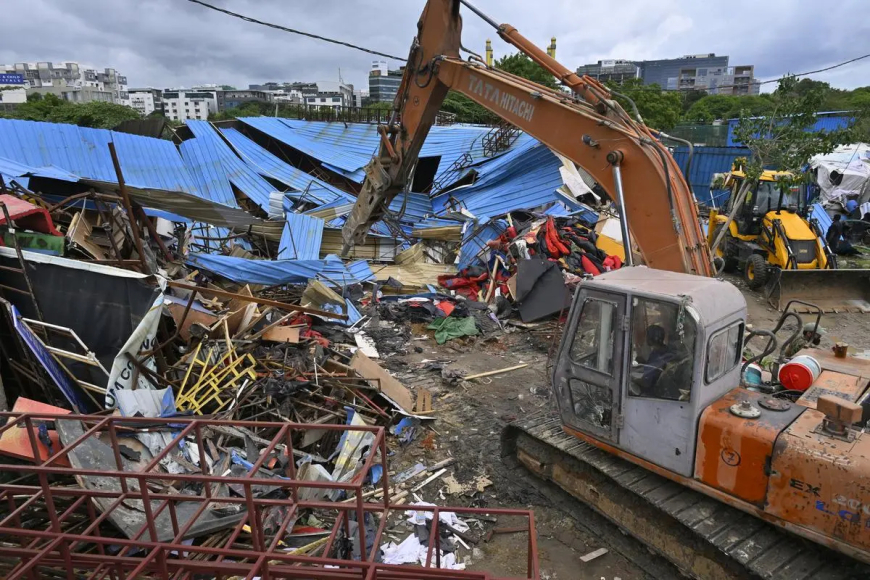
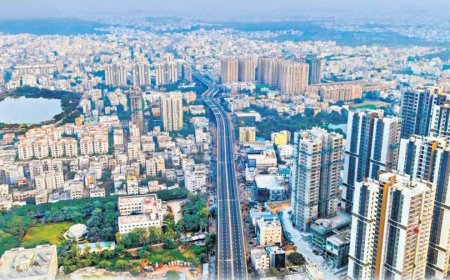
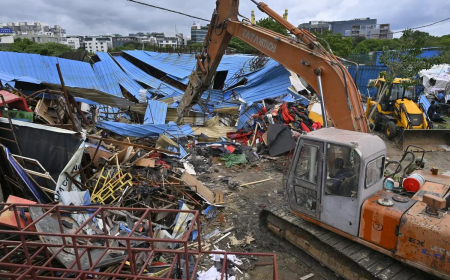
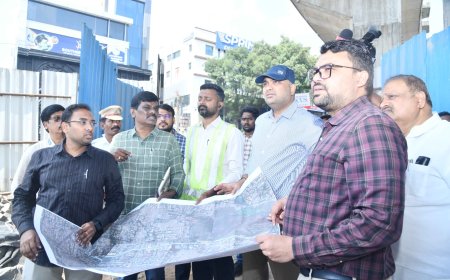
PROPERTY PULSE: Hyderabad’s lakes are emerging as a major focus of the Hyderabad Disaster Response and Asset Protection Agency (HYDRAA), marking a shift in the agency’s role from its widely noticed demolition and encroachment-removal drives to broader lake protection and restoration.
Established in 2024, HYDRAA has been working on the protection of government land, lakes, nalas, parks and open spaces, while also taking up measures aimed at rejuvenating the city’s water bodies. According to HYDRAA, restoration work has been completed at six lakes, while work is underway at another 14 water bodies. The agency is also developing four major lakes as mini tank bunds.
Six lakes restored, 14 more under work
The restoration programme includes desilting, strengthening lake bunds, improving inlet and outlet systems and diverting sewage away from water bodies. At Sunnam Cheruvu in Madhapur, the lake area has reportedly been restored from 16.4 acres to around 30.5 acres. Similarly, Tammidikunta has been expanded from 16.2 acres to around 29.3 acres, according to officials.
Encroachment-removal measures have also been undertaken at Ramantapur Pedda Cheruvu. The objective is not merely to increase the visible water spread but to restore the systems that allow lakes to receive, store and release water effectively.
Nallacheruvu gets a new lease of life
The restoration of Nallacheruvu in Uppal is another significant project. The water body had become heavily affected by garbage, waste and encroachments. HYDRAA has undertaken measures to remove encroachments and improve the water-flow system. The project is estimated to cost around ₹20 crore, with works including the development of inlet and outlet systems and improvement of the surrounding area. Officials have stated that the lake’s extent has been brought to around 70 acres.
₹1.5 lakh crore government land protected
HYDRAA’s intervention extends beyond lakes. The agency said that, by July 2026, it had reclaimed around 3,325 acres of government land over a two-year period. The value of the recovered land has been estimated at around ₹1.5 lakh crore. Protecting lakes, nalas and natural drainage channels from encroachments is also part of this broader effort.
For a rapidly expanding city, the protection of these natural systems has implications beyond land ownership. Lakes and drainage channels play an important role in storing rainwater, supporting groundwater recharge and reducing pressure on urban drainage networks.
₹536.50 crore for four major lakes
The government is also focusing on the restoration of larger water bodies. Development works for Fox Sagar, Ameenpur, Amber and Saroornagar lakes have received approvals involving a combined estimated expenditure of ₹536.50 crore.
The proposed allocations include:
Fox Sagar — ₹189 crore
Ameenpur — ₹160 crore
Amber Lake — ₹99 crore
Saroornagar Lake — ₹88.50 crore
The scale of these investments indicates a broader push to integrate lake restoration with Hyderabad’s urban infrastructure planning.
Lakes as Hyderabad’s natural protection system
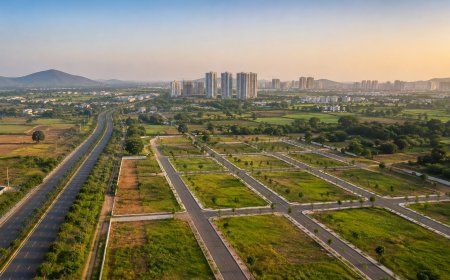
As the city expands, lakes perform several functions beyond being water bodies. They act as natural storage points for rainwater, support groundwater recharge and form part of the city’s drainage network. HYDRAA is therefore focusing on elements such as Full Tank Level (FTL), buffer zones, inlets, outlets and nalas. GIS and satellite mapping are also being used to identify and protect lake boundaries.
Restoration is only the first step
The larger challenge, however, begins after restoration.
Preventing fresh encroachments, ensuring that sewage does not enter lakes, permanently protecting FTL and buffer zones and reducing flood risks during every monsoon will determine whether restoration efforts deliver lasting results.
For Hyderabad, the transformation of its lakes is therefore not just an environmental issue. It is closely linked to urban planning, flooding, groundwater, infrastructure and real estate development.
HYDRAA’s journey may have begun in the public eye with demolitions and encroachment removal. Its growing focus on lake rejuvenation now raises a bigger question:
Can Hyderabad restore its lakes—and keep them protected for the future?
What's Your Reaction?
 Like
0
Like
0
 Dislike
0
Dislike
0
 Love
0
Love
0
 Funny
0
Funny
0
 Angry
0
Angry
0
 Sad
0
Sad
0
 Wow
0
Wow
0