



















Hyd high-rises: Time to work on water usage plans
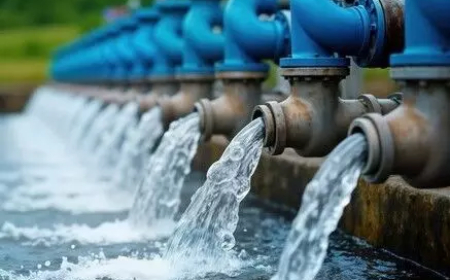
Hyderabad’s growing number of high-rise apartments and gated communities is increasing the need for effective water management. Uncertain rainfall, groundwater depletion and dependence on water tankers highlight the importance of conservation and advance planning.
Property Pulse
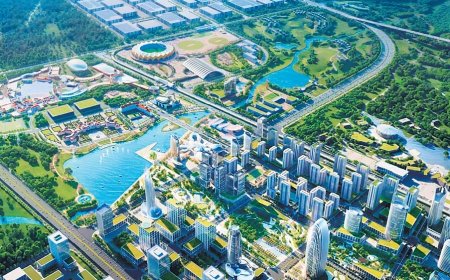
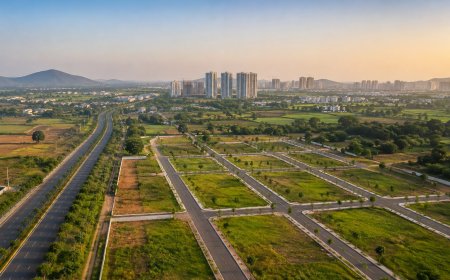
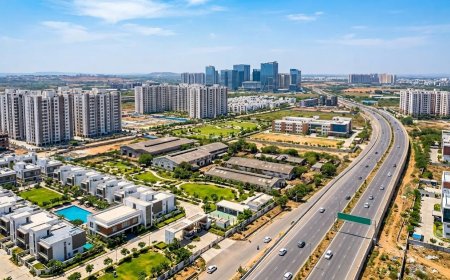
Hyderabad’s rapid urban expansion, marked by high-rise apartments, large gated communities and villa projects, is increasing the importance of reliable water management. Residential developments housing hundreds or thousands of families require substantial quantities of water every day for drinking, cooking, bathing, sanitation and other household needs. Swimming pools, clubhouses, landscaped gardens and vehicle-washing facilities add to the demand.
Concerns over rainfall uncertainty, groundwater depletion and rising temperatures have brought water conservation into sharper focus. The possibility of an El Nino influence on rainfall further underlines the need for advance planning, although its actual impact on local water availability will depend on prevailing weather conditions. For Hyderabad’s residential communities, the priority is to reduce wastage, diversify supplies and prepare for disruptions before shortages occur.
Water requires collective action
Large apartment complexes commonly depend on a combination of municipal supplies, borewells and water tankers. A disruption in one source can increase pressure on the others, while greater dependence on tankers can push up maintenance costs for residents. Residents’ welfare associations should monitor consumption through meters, inspect pipelines and storage tanks regularly, and install controls to prevent tank overflows. Emergency plans should account for daily requirements, available supplies and storage capacity. Residents must also be informed about conservation measures and possible supply interruptions.
Recycling to resuce
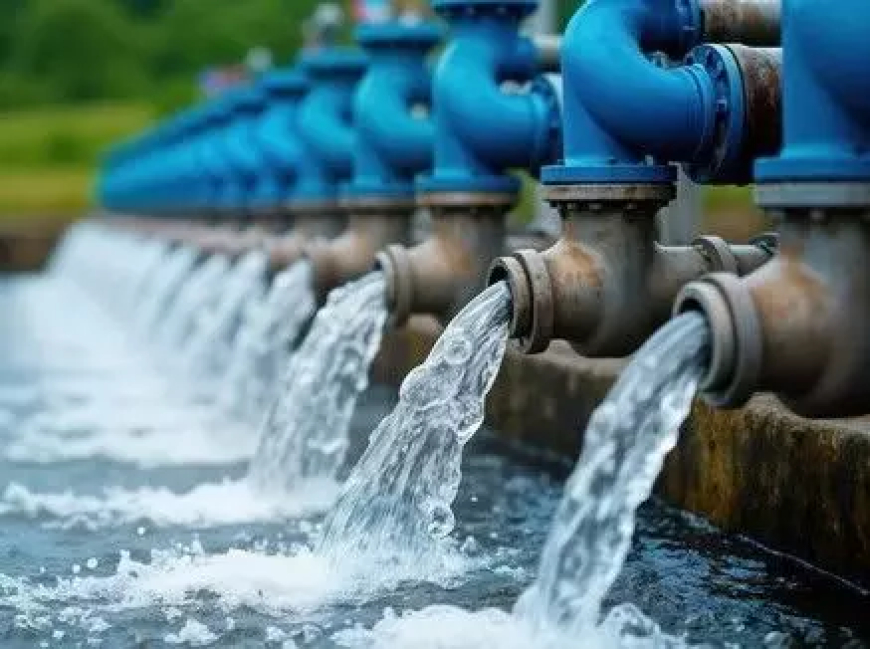
Sewage Treatment Plants (STPs) can help large residential projects reduce their dependence on fresh water. Properly treated wastewater can be reused for toilet flushing, landscaping and other permitted non-potable applications, subject to treatment standards and quality checks. However, installing an STP alone does not guarantee effective water management. Plants must be operated and maintained properly, treated-water quality must be monitored, and suitable reuse systems must be in place. Rainwater harvesting can supplement other sources, while efficient irrigation and climate-appropriate landscaping can reduce outdoor consumption. Households can contribute by repairing leaks, avoiding unnecessary water use and reusing suitable household water where safe.
Planning must
Builders and developers need to incorporate water management into project design rather than address it after residents move in. Plans should cover water-source availability, storage capacity, rainwater harvesting, treatment facilities, recycled-water use and the maintenance of pumps and distribution systems. Homebuyers should ask where a project’s water comes from, how heavily it depends on tankers, whether its STP is operational and what arrangements exist during supply disruptions. Lifestyle amenities alone do not indicate whether a development can manage water sustainably.
As Hyderabad continues to expand, reliable water management will become an increasingly important consideration for developers, residents and property buyers. Conservation, recycling and advance planning can help residential communities use available resources more efficiently and prepare for uncertain supply conditions.
Water Security
- Large communities need coordinated water management.
- Tankers can raise residents’ maintenance costs.
- STPs support non-potable reuse when maintained.
- Meters help identify unusually high consumption.
- Rainwater harvesting supplements other sources.
- Water plans should precede project occupation.
What's Your Reaction?
 Like
0
 Dislike
0
 Love
0
 Funny
0
 Angry
0
 Sad
0
 Wow
0