
























Water Board Ramps Up Monsoon Vigil, Orders Citywide Drinking Water Quality Checks, Seeks RWA Support
HMWSSB has directed intensified chlorination, pipeline inspections, reservoir sealing and emergency response measures to prevent drinking water contamination during the monsoon season.
Anticipating risks to drinking water quality with the onset of the southwest monsoon, the Hyderabad Metropolitan Water Supply and Sewerage Board (HMWSSB) has directed its field machinery to step up surveillance across the city's water supply network, with a focus on preventing contamination during the initial spell of rains.
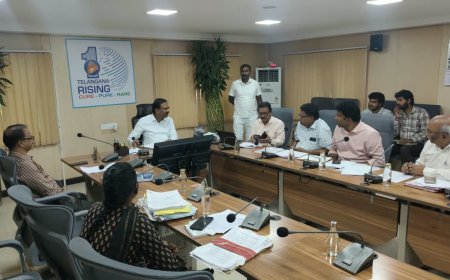
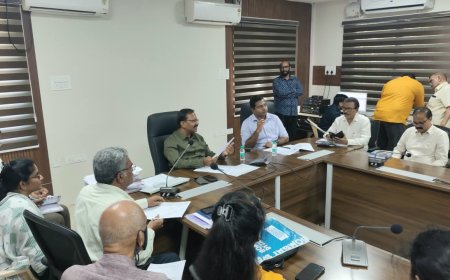
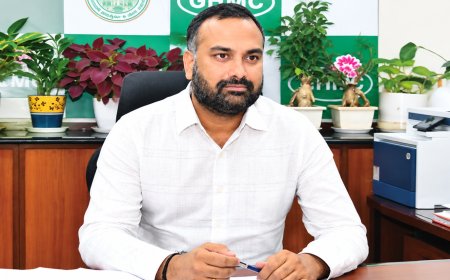
Water Board Managing Director Ashok Reddy instructed officials and field staff to implement a series of preventive measures across water treatment plants, reservoirs, distribution networks and vulnerable pipeline stretches to ensure safe drinking water supply during the monsoon season.
In a detailed advisory, the MD said the possibility of contamination increases during the rainy season and directed officials to remain on high alert at all levels of the water distribution system. He instructed staff to clean pipelines through mandatory operation of scour valves before resuming water supply, particularly during the first rains when rainwater can enter sluice valve chambers.
Ashok Reddy directed officials to intensify water quality monitoring across treatment plants, reservoirs and distribution networks, with regular chlorine testing and continuous tracking of turbidity levels in raw and treated water. He instructed teams to maintain a minimum residual chlorine level of 0.2 ppm at consumer endpoints and increase chlorination in contamination-prone areas.
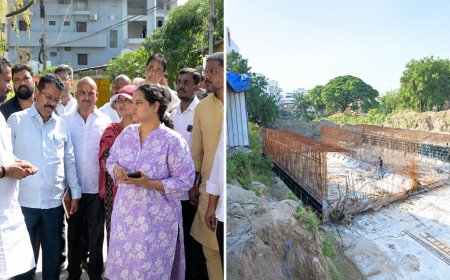
Officials were also asked to ensure chlorination systems remain operational and maintain adequate stocks of chlorine and bleaching powder. Special inspections have been ordered for pipelines near drains, nalas and waterlogging-prone areas, with immediate repairs mandated for leakages, damaged pipelines and faulty valves.
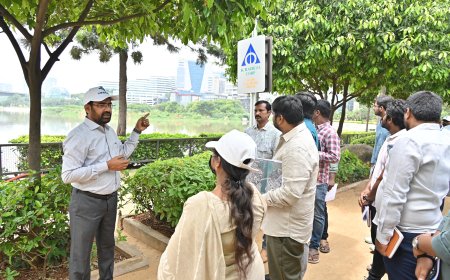
The Water Board chief directed officials to seal reservoirs and service tanks to prevent the entry of rainwater and contaminants, identify low-pressure zones, and maintain adequate pressure across the network to minimise contamination risks. Special field teams will monitor vulnerable waterlogged and flood-prone locations.
He also called for close coordination between water supply and sewerage wings, particularly in areas where water and sewer lines run parallel, and directed officials to address sewer overflows and leakages on priority. Stressing that sewage must not enter the drinking water network under any circumstances, he advised awareness campaigns in affected localities, including guidance on boiling water before consumption when necessary.
Emergency Maintenance Services teams have been placed on standby to respond to pipeline damage or contamination incidents, with tanker-based drinking water supply to be arranged wherever required. The MD further ordered daily reviews of water quality, leakages and public complaints during the monsoon period and called for coordination with local representatives and resident welfare associations to strengthen public awareness.
What's Your Reaction?
 Like
0
Like
0
 Dislike
0
Dislike
0
 Love
0
Love
0
 Funny
0
Funny
0
 Angry
0
Angry
0
 Sad
0
Sad
0
 Wow
0
Wow
0