





Musi Project to Follow Telangana Model, Not Gujarat Blueprint: Sridhar Babu
Telangana government aims to rejuvenate the Musi by restoring its river ecosystem, addressing sewage pollution and ensuring better living conditions for families along its banks.
SAMUEL JOSHUA
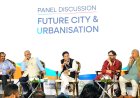
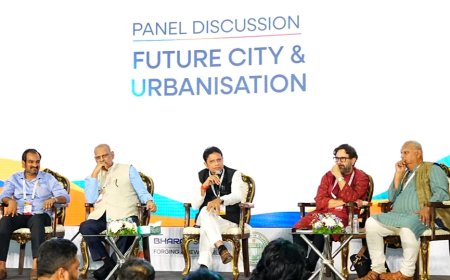
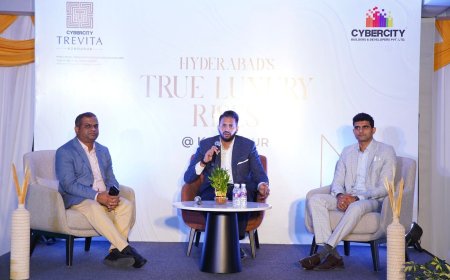
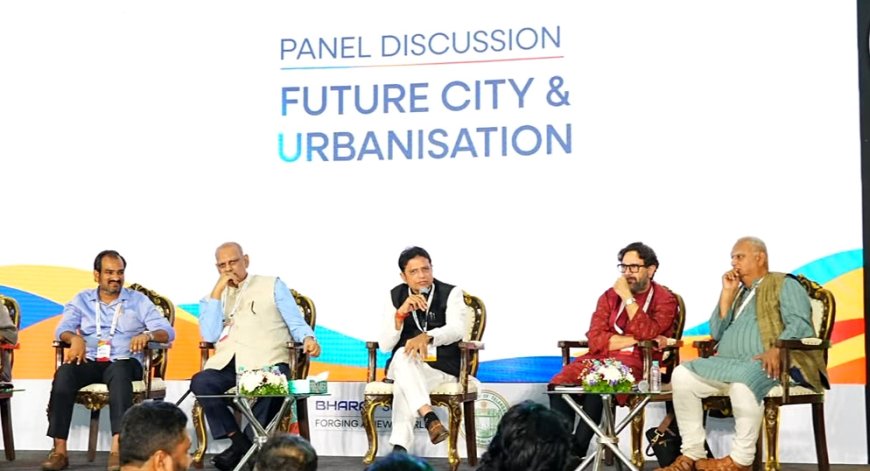
Hyderabad: Telangana's proposed Musi river rejuvenation project will not replicate the Gujarat model or adopt development approaches followed by other States, but will have its own Telangana model, said D. Sridhar Babu, IT and Industries Minister, during a panel discussion on ‘Future City – Urbanisation’ at the Bharat Summit 2026 in Hyderabad.
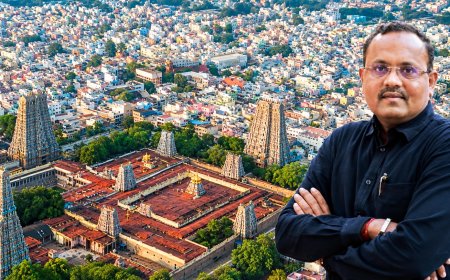
Responding to urban practitioner and policy researcher Arvind, who cautioned against repeating mistakes made in other states, the Minister said Telangana was not looking to adopt any existing model. Arvind specifically warned against replicating Gujarat's riverfront development approach in Hyderabad and urged the government to prioritise public benefits, affordable housing and access to the city for workers who help build it.
Having recently moved from Delhi, Arvind said the city offered better air quality but needed to preserve it. He called for a Hyderabad-specific heat action plan, more tree cover and stronger protection of natural resources.
Defending the Musi river rejuvenation project, Sridhar Babu said the objective was to restore the river rather than merely modernise its riverfront. He pointed out that families living along its banks are facing pollution, mosquitoes and untreated sewage entering the river. The Musi, he said, had once served as an important source of drinking and irrigation water for Hyderabad and villages in Nalgonda district.
Addressing displacement concerns, the Minister said affected families would be provided better neighbourhoods with access to essential facilities and livelihood opportunities. He maintained that the government was accountable to poor residents and would consider concerns raised by NGOs and NPOs working for them.
Sridhar Babu also argued that Telangana's contribution to the national economy should be reflected in resource allocation. He said the State, with around 2% of India's population, contributes nearly 5% of the national GDP and should receive resources proportionate to its contribution.
Why Bharat Future City?
Explaining the name, Sridhar Babu said Bharat Future City was envisioned as a fully modernised, net-zero city that would reflect India's identity and values. The name represents the State's ambition to create a future-ready Indian city rather than simply reproduce another development model. He also added that Telangana expected financial assistance and facilitation from the Centre for the project.
Also Read: Protecting Homes: Why insurance matters?
What's Your Reaction?
 Like
0
 Dislike
0
 Love
0
 Funny
0
 Angry
0
 Sad
0
 Wow
0