












30,000-Acre Future City to Reserve 15,000 Acres for Green Spaces, Says IT Min Sridhar Babu
The proposed Future City aims to protect forests, create jobs through three economic zones and support the development of Warangal, Karimnagar and Mahabubnagar.

SAMUEL JOSHUA
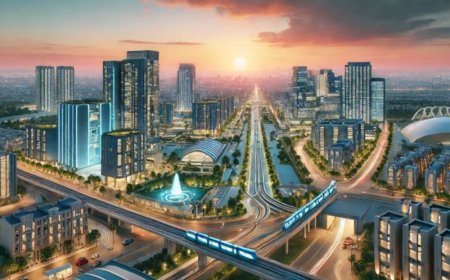
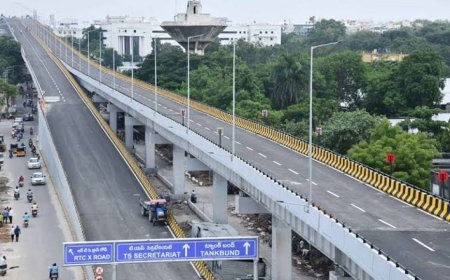
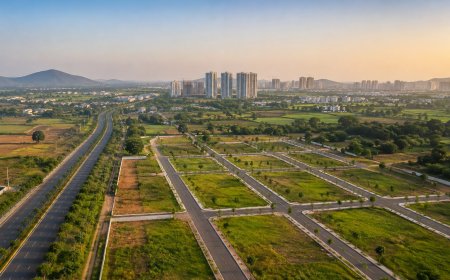
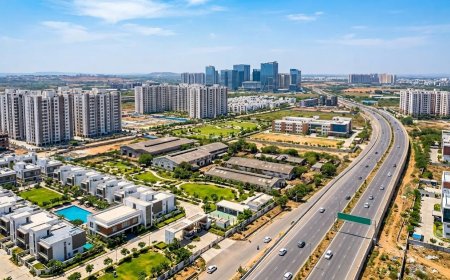
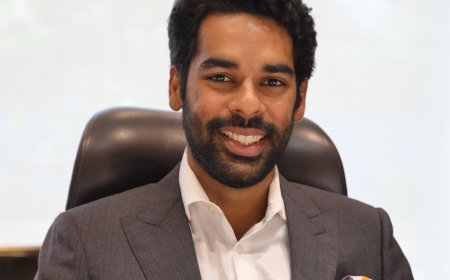
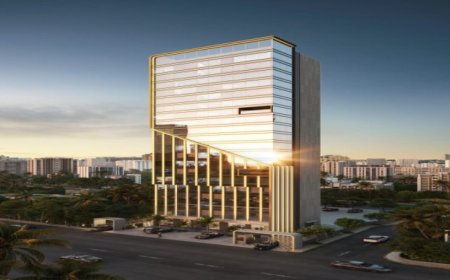
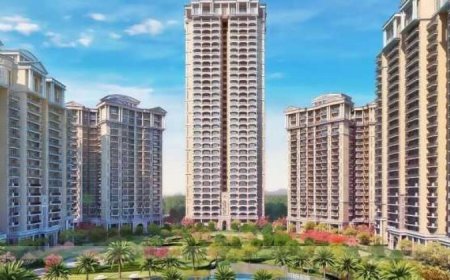
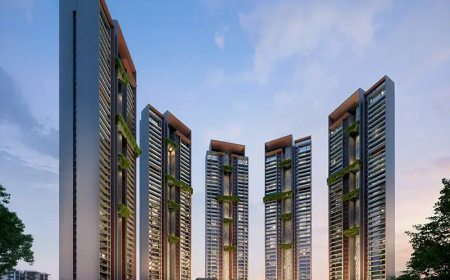
Hyderabad’s proposed Bharat Future City is planned across 28,000 to 30,000 acres, with nearly half the area, around 14,000 to 15,000 acres, reserved for green spaces and forest ecosystems. The project will be developed through a public-private partnership (PPP) model, without fresh land acquisition or financial burden on the State Government, said D. Sridhar Babu, Telangana IT and Industries Minister.
He added that the proposed city would integrate existing government land with adjoining areas while protecting forest ecosystems. No construction would be allowed in forest areas, and the natural flora and fauna would be preserved.
Of the total proposed area, around 14,000 to 15,000 acres would be maintained as green spaces, serving as the lungs of Hyderabad. The Minister said revenue generated through the project would also support the development of Tier-II cities, including Warangal, Karimnagar and Mahabubnagar. He expressed hope that the Central Government would extend support to the initiative.
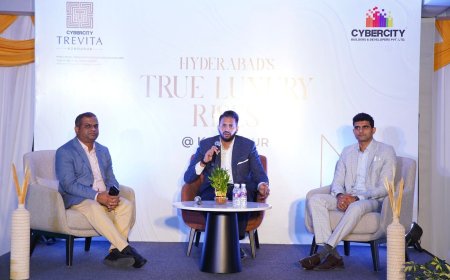
Explaining the State's ‘Telangana Rising 2047’ vision during a panel discussion on ‘Future City – Urbanisation’ at the Bharat Summit 2026 at HITEX on Friday, Sridhar Babu said Telangana would be developed through three economic zones to promote balanced growth and reduce migration from rural areas.
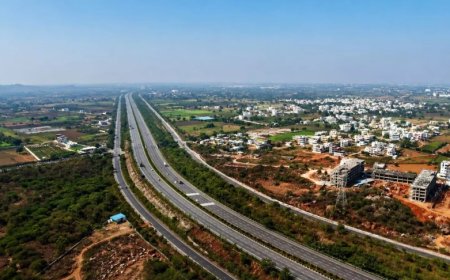
The Core Urban Zone within the Outer Ring Road (ORR) would focus on the services sector, while polluting industries would be moved outside the city. The area between the ORR and Regional Ring Road (RRR) would become a manufacturing hub, while regions beyond the RRR would focus on agro-based industries to strengthen rural economies.
The discussion, moderated by former MP Divya Spandana, also highlighted the need to make urban development environmentally sustainable and socially inclusive.
Rajiv Gandhi Foundation CEO and RGICS Director Vijay Mahajan welcomed the dedicated vision document for Urban Telangana and the proposed 280-page CURE Bill. Calling for ‘Hara Bhara Swaraj’, he stressed green development, inclusive growth and people's participation in urban governance.
Pointing to economic disparities within the Hyderabad region, Vijay Mahajan cited the per capita income of around Rs 13 lakh in Rangareddy district against Rs 3.5 lakh in Malkajgiri. He said urban planning should address such inequalities and urged the Government to ensure that the CURE Bill reflects the spirit of the 74th Constitutional Amendment. Referring to Article 243, he called for a Metropolitan Planning Committee and adequate powers for mayors.
Meanwhile, Divya Spandana said only 18 of the 100 cities selected under the Smart Cities Mission had fully completed their projects. She raised concerns over the displacement of economically weaker communities in the name of beautification and urban development. While appreciating initiatives such as the CURE Act and Gig Workers Act, Divya pointed out that approvals and funding for Metro Phase-II and Musi River rejuvenation were pending with the Centre. She called for fair treatment of all States in fund allocation and project approvals.
Future cities should prioritise people's livelihoods and everyday needs rather than being driven mainly by real estate development, said former Shimla Deputy Mayor Tikender Singh Panwar. He stressed the need for affordable public transport, particularly buses, and dedicated cycling tracks instead of excessive dependence on expensive metro rail projects.
Later on, Historian Sajjad Shahid called for consistent implementation of master plans irrespective of changes in government. He said urban expansion must protect Hyderabad's heritage, including historic structures, lakes, rock formations and other sites of historical importance.
Telangana Gig Workers Union President Shaik Salauddin sought social security for workers engaged through digital platforms and service aggregators such as Urban Company. He urged the Government to provide restrooms and designated parking spaces for gig workers in the proposed Future City to improve their working conditions.
What's Your Reaction?
 Like
0
 Dislike
0
 Love
0
 Funny
0
 Angry
0
 Sad
0
 Wow
0