









A River Reborn: TG’s grand Musi riverfront plan Restoring Musi, reconnecting Hyderabad
Telangana’s Musi riverfront project aims to transform Hyderabad with a 55 km corridor boosting real estate growth, tourism, and infrastructure. Explore how this mega development will impact Hyderabad real estate, property prices, and investment opportunities in 2026.
From Neglected River to Global Waterfront: Telangana’s Musi Vision
Telangana chief minister A revanth Reddy has unveiled an ambitious plan to transform the Musi river into a 55-kilometre urban riverfront corridor aimed at restoring the river ecosystem, improving flood resilience and unlocking new tourism and economic opportunities in Hyderabad.
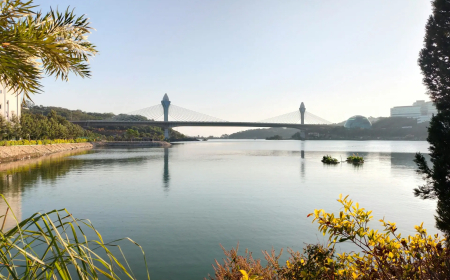
The initiative, Musi Rejuvenation and Riverfront Development, seeks to reconnect the city with the river that shaped its origins more than four centuries ago. Founded in 1591 under the Qutb Shahi dynasty, Hyderabad grew along the banks of the Musi, which served as the city’s ecological backbone and primary source of water for agriculture, trade and everyday use.
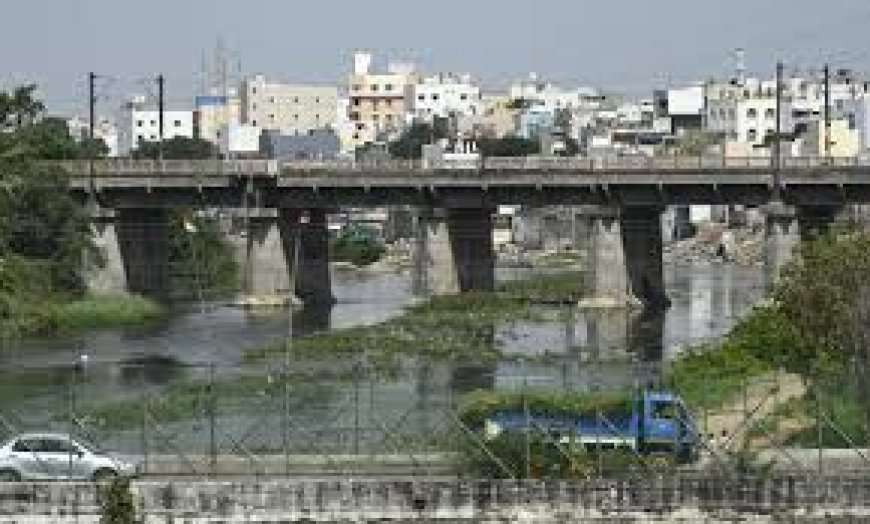
Over the decades, however, rapid urbanisation and population growth have turned the river into one of the city’s most polluted waterways. Untreated sewage inflows, encroachments and dumping of solid waste have severely degraded the river ecosystem, leaving the Musi far removed from its historic significance.
The government now plans to reverse that decline through a large-scale restoration and urban development project designed to convert the river corridor into a vibrant public and economic space.
A 55-km transformation
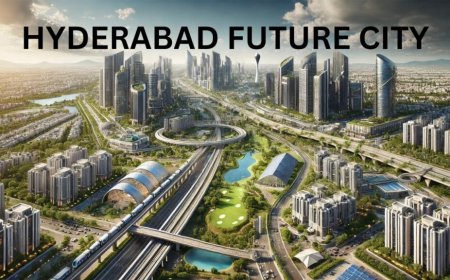
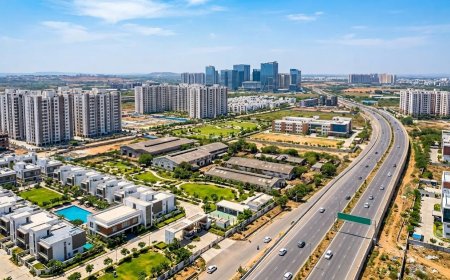
The plan envisions the development of a 55-km riverfront stretch passing through Hyderabad, integrating environmental restoration, infrastructure upgrades and public recreation spaces.
Phase-1 of the project will focus on two key stretches of the river that converge at Gandhi Sarovar, forming the first section of the riverfront corridor. The estimated cost for this phase is Rs 6,500 crore to Rs 7,000 crore, excluding land acquisition and related compensation costs.
The development will include river cleaning and removal of accumulated silt and debris, riverbed profiling based on hydrological studies and the construction of flood mitigation structures along the riverbanks.
A key component of the project is the installation of trunk sewer mains along both sides of the river, designed to intercept sewage before it enters the Musi and divert it to treatment plants.
Global models inspire project
The Musi redevelopment draws inspiration from riverfront transformations across the world, including Seoul’s Cheonggyecheon stream, London’s Thames riverfront, Tokyo’s Sumida river and Ahmedabad’s Sabarmati riverfront. These projects demonstrate how revitalised waterways can become major urban assets, driving tourism, public recreation and economic activity.
The Telangana government believes a fully realised Musi riverfront could similarly reshape Hyderabad’s urban landscape.
Public spaces and mobility
The riverfront plan includes the creation of continuous promenades, pedestrian pathways and cycling tracks along the riverbanks. Public plazas, parks and amphitheatres are also proposed within the river buffer zones, allowing residents to access the riverfront as a recreational space while maintaining floodplain safety.
The project will also introduce improved mobility infrastructure, including a network of new vehicular and pedestrian bridges across the river.
The government has appointed an international consortium comprising Meinhardt Singapore, RIOS and Cushman & Wakefield as the aggregate master planners for the project. Their work covers environmental restoration, land-use planning, infrastructure design and financial modelling.
If implemented successfully, the Musi riverfront redevelopment could transform a neglected waterway into a landmark urban corridor, reconnecting Hyderabad with the river that once defined its identity.
GFX
• Restoring the Musi as a clean and flowing river
• Creating continuous promenades and public spaces
• Reducing flood risks through modern hydrology-based design
• Integrating cycling tracks, walkways and parks
• Promoting heritage tourism along the river corridor
• Supporting a 24-hour urban economy along the waterfront
• Total project length: 55 km
• Phase-1 cost: Rs 6,500–Rs7,000 crore
• Two stretches converging at Gandhi Sarovar
• New promenades, parks and cycling tracks
• 14 bridges planned
Why Musi needs revival
• 27 nalas discharge into river
• Encroachments along buffer zones
• Solid waste dumping
• Severe pollution levels
Global riverfront examples
Seoul – Cheonggyecheon
London – Thames
Tokyo – Sumida
Paris – Seine
Ahmedabad – Sabarmati
What's Your Reaction?
 Like
0
Like
0
 Dislike
0
Dislike
0
 Love
0
Love
0
 Funny
0
Funny
0
 Angry
0
Angry
0
 Sad
0
Sad
0
 Wow
0
Wow
0