






















El Nino: Hyderabad’s Construction Sector Stares at Water Crisis
Hyderabad’s real estate and construction sectors could face increasing water-related challenges following deficient monsoon rainfall in Telangana and concerns over groundwater availability.
PROPERTY PULSE
Hyderabad’s real estate sector, already contending with high land prices, construction costs and uneven sales, could face another challenge as water availability comes under pressure following a deficient monsoon.
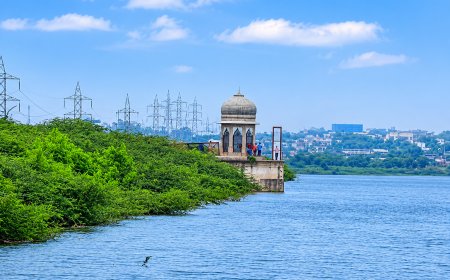
Lower rainfall and concerns over reservoir storage and groundwater could complicate water management at construction sites, particularly if dry conditions persist.
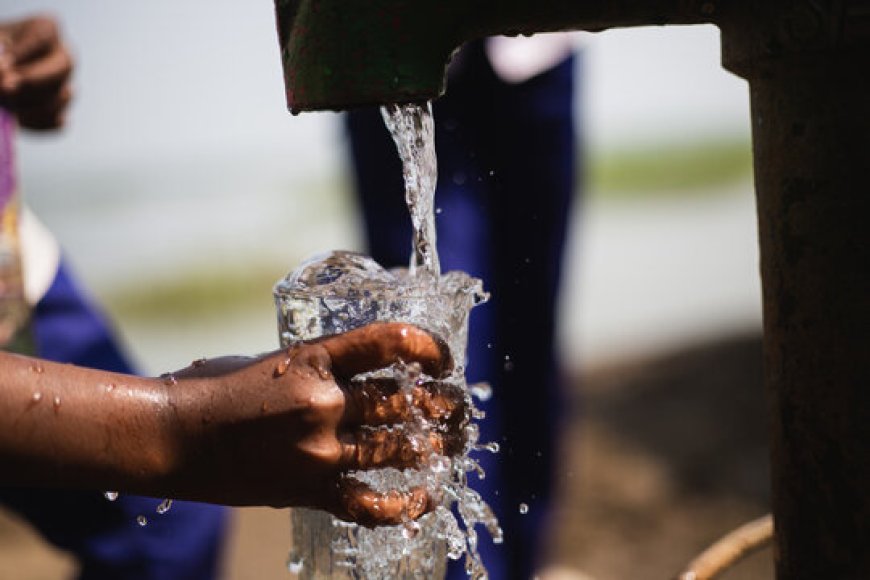
From concrete mixing and curing to meeting workers’ daily needs, water is essential at every stage of construction. Developers may need to plan alternative supplies, increase storage and account for potential water-related expenses while preparing project budgets and schedules.
Telangana Records Rainfall Deficit
Telangana received 615.5 mm of rainfall during the 2026 southwest monsoon against the seasonal normal of 740.6 mm, a deficit of 17 per cent, according to rainfall data reported by the Telangana Development Planning Society.
Between October 1 and 21, the state received just 3.5 mm against the normal 75.6 mm, marking a 95 per cent shortfall, according to India Meteorological Department data. The shortfall has intensified concerns over water availability as the state enters the post-monsoon period.
While El Niño can influence monsoon patterns, its effects vary by region and interact with other weather systems. The rainfall deficit should therefore be viewed as part of a wider water-management challenge rather than attributed to a single factor.
Related: Hyd High-Rises: Time to Work on Water Usage Plans
Construction Needs Water
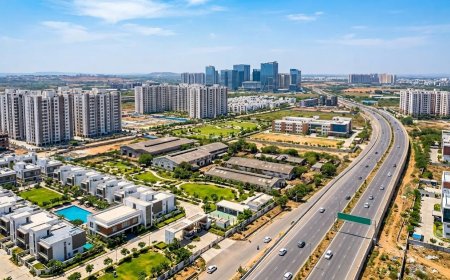
Water is needed for concrete mixing, curing, brickwork, plastering, and other construction activities, in addition to workers’ daily needs. In fast-growing locations such as Kokapet, Nanakramguda, Gachibowli, Puppalaguda and Narsingi, large residential and commercial projects add to demand for reliable supplies.
Tanker Dependence May Increase Costs
Reduced rainfall can affect groundwater recharge, while falling water levels may make borewell extraction more difficult. If existing sources prove inadequate, developers may have to buy water through tankers, arrange supplies from farther away or invest in additional storage.
These measures can raise operating costs, but the impact depends on local availability, project scale, and existing supply arrangements. Projects relying heavily on private tankers could face greater pressure than developments with reliable connections and alternative sources.
Related: HMWSSB Sets Rs 5K Fine for Water-Wasting Tankers
Delays to Affect Project Budgets
Large developers may have greater capacity to plan storage, alternative supplies and recycling systems. Smaller builders and individual homeowners, by contrast, may find additional water expenses harder to absorb within limited budgets.
For homebuyers, the reliability of a project’s water supply could become a more important consideration. Municipal connections, rainwater harvesting, sewage treatment plants, recycled-water systems and storage capacity merit scrutiny.
Buyers should verify actual supply arrangements, approvals and maintenance provisions rather than rely solely on marketing claims.
Related: PAANI App Launched to Curb Water Wastage
Water Management Becomes Priority
The rainfall deficit reinforces the need for developers, government agencies and water supply authorities to plan for more efficient water use. Expanding treated-wastewater reuse, maintaining rainwater harvesting systems and reducing wastage could help construction projects limit their dependence on fresh water.
Water Security:
- Telangana recorded a 17% southwest monsoon deficit
- October rainfall was 95% below normal through October 21
- Concrete mixing and curing require reliable water supplies
- Tanker dependence can increase construction costs
- Water shortages may affect project schedules
- Recycled water and rainwater harvesting can reduce fresh-water demand
Also Read: MMC Trains Officials on New Waste Rules, Focus on Bulk Waste Generators
What's Your Reaction?
 Like
0
 Dislike
0
 Love
0
 Funny
0
 Angry
0
 Sad
0
 Wow
0