














Amberpet STP Receives 280–290 MLD of Sewage, MMC Inspects Reuse Facilities
The civic body is focusing on treated wastewater reuse, biogas production, sludge-to-fertiliser conversion and environmental compliance to support sustainable urban development.
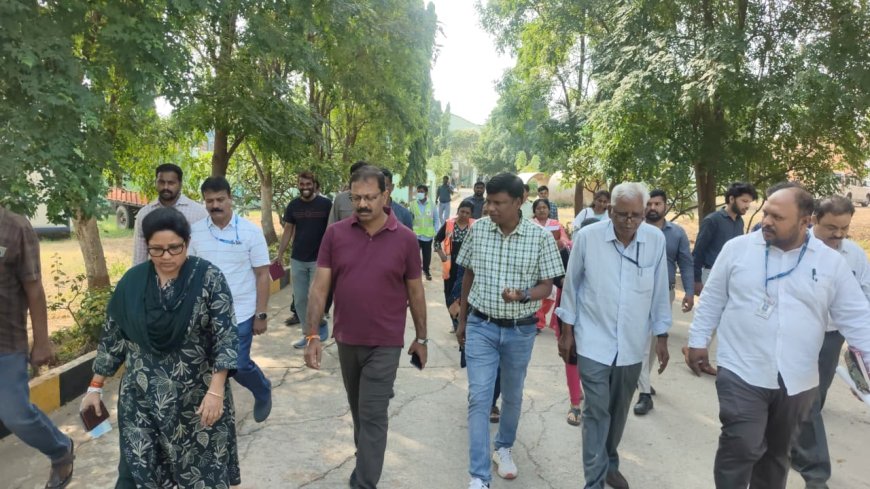
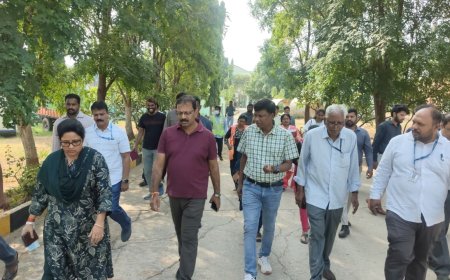
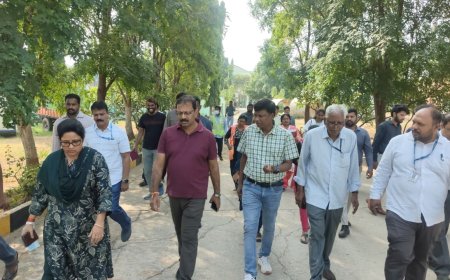
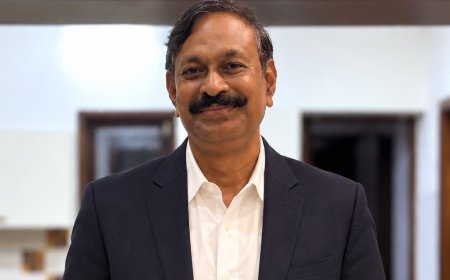
With Hyderabad’s water demand rising, sewage treatment and wastewater reuse are becoming critical to urban infrastructure. MMC Commissioner T. Vinay Krishna Reddy inspected the 339 MLD Amberpet Sewage Treatment Plant, which receives 280–290 MLD of sewage, focusing on treated water reuse, biogas production and sludge management.
Built at a cost of Rs 89.99 crore and commissioned in 2005, the plant treats sewage through multiple processes before its discharge. During the visit, the Commissioner reviewed the functioning of treatment units, maintenance practices and compliance with environmental standards.
A key focus of the inspection was the reuse of treated water and the recovery of useful resources from sewage. The Commissioner examined the facility used to fill tankers with treated water for supply to suitable applications. Reusing treated wastewater for appropriate non-potable purposes can help reduce dependence on freshwater sources and support the water requirements of urban infrastructure.
The inspection also covered the plant’s biogas production unit and Compressed Biogas (CBG) facility. These systems use by-products generated during sewage treatment to produce energy resources, helping recover value from waste rather than treating it solely as a disposal problem.
Sludge management was another area reviewed during the visit. Officials briefed the Commissioner on facilities for handling sludge generated during treatment and its potential use in producing bio-fertiliser. Converting suitable treatment by-products into useful materials can support more efficient waste management, provided the resulting products meet applicable quality and safety requirements.
Water quality monitoring and environmental compliance were also assessed. Vinay Krishna Reddy inspected laboratory facilities and the procedures followed to test the quality of treated water. He reviewed testing practices against the guidelines of the Central Pollution Control Board (CPCB) and the State Pollution Control Board (SPCB).
He also examined the Online Continuous Effluent Monitoring System (OCEMS), which continuously tracks water quality parameters to help monitor compliance with prescribed environmental standards.
The Commissioner stated that sewage treatment, treated water reuse, biogas production and the conversion of sludge into useful fertiliser were important for sustainable urban development. He directed the concerned departments to coordinate their efforts, conserve water resources, promote waste-to-resource initiatives and ensure strict adherence to environmental standards.
Additional Commissioner Raghu Prasad, HMWSSB Executive Director for the Malkajgiri jurisdiction Pankaja, Uppal Deputy Commissioner Anand, AMC Shravani and officials from DOP-1 and the STP participated in the inspection.
What's Your Reaction?
 Like
0
 Dislike
0
 Love
0
 Funny
0
 Angry
0
 Sad
0
 Wow
0