



















Double-decker corridors, peripheral bus hubs to reshape urban movement
Multi-layer mobility push to unlock Hyd’s next growth corridors
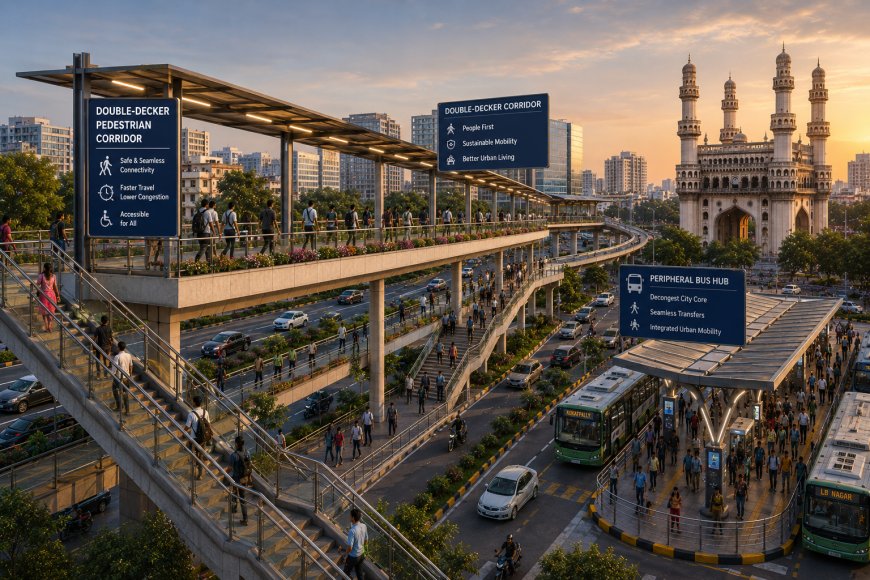
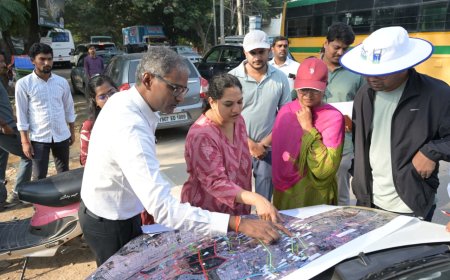
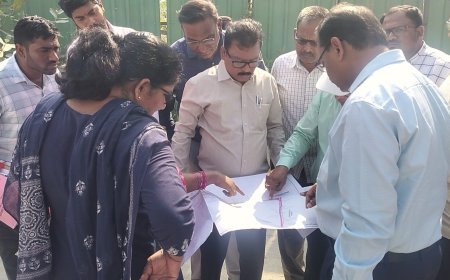
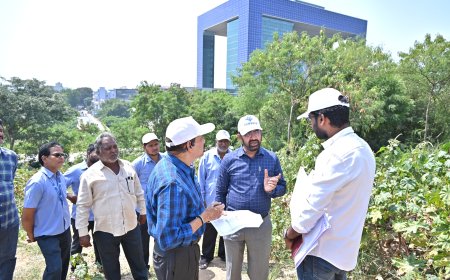
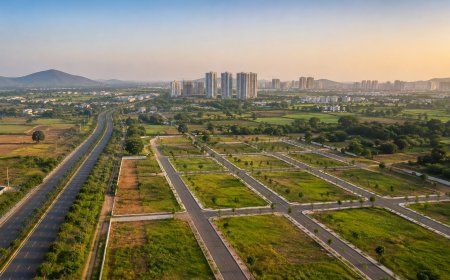
Hyderabad is entering a new phase of infrastructure-led expansion, with a series of large mobility projects aimed at reshaping traffic flow, improving connectivity and unlocking new real estate corridors across the city.
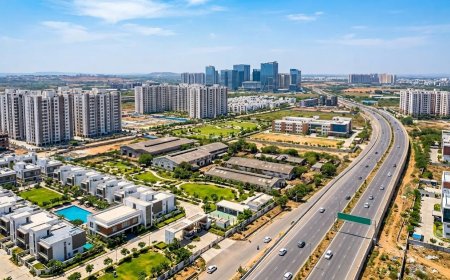
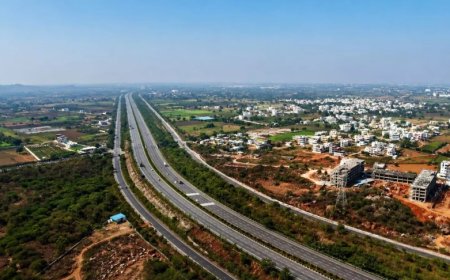
At the centre of this push is the proposed double-decker elevated corridor along NH-65, designed to ease congestion across a critical stretch between Vanasthalipuram and Hayathnagar. The project, estimated at around ₹940 crore, has received in-principle approval from the Union Ministry of Road Transport and Highways and is expected to be taken up in the upcoming plan period.
The corridor will feature a two-tier structure, with a metro rail line on the upper deck and a six-lane road on the lower level. This integrated approach is aimed at separating long-distance traffic from local movement, improving travel efficiency in one of the city’s busiest stretches.
The initiative reflects a broader shift towards multi-modal infrastructure planning, where road and public transport systems are developed in tandem. A similar model is also being explored for a shorter stretch between BHEL and Madinaguda, indicating a scalable approach to mobility upgrades.
Parallel to the elevated corridor strategy, the state is also working on decentralising bus transport through the development of large-scale peripheral terminals. Proposed mega bus hubs at Shamshabad and Jeedimetla are aimed at shifting long-distance bus traffic away from the city core, reducing pressure on existing transport nodes such as central bus stations.
The Shamshabad terminal, planned near the airport corridor, is expected to cater to inter-state and southern routes, while the Jeedimetla hub will serve northern and industrial zones. Both locations have been strategically identified to align with Outer Ring Road connectivity and emerging growth corridors.
The move towards peripheral hubs marks a structural shift in Hyderabad’s transport planning—from a centralised system to a distributed, corridor-based model. By enabling buses to terminate at the city’s edge and improving last-mile connectivity, the plan aims to reduce congestion within core urban areas.
Taken together, these initiatives reflect a coordinated approach to mobility, where infrastructure investments are being used to shape urban expansion. For the real estate sector, improved connectivity is expected to unlock new micro-markets, support peripheral development and redistribute demand beyond traditional growth zones.
Connectivity matters
- ₹940 crore double-decker corridor on NH-65.
- Metro (top) + 6-lane road (bottom) integrated design.
- Vanasthalipuram–Hayathnagar stretch to ease congestion.
- Peripheral mega bus hubs at Shamshabad and Jeedimetla.
- ORR-based decentralised mobility model.
- Reduced pressure on core city transport nodes.
- New corridors likely to drive real estate growth.
What's Your Reaction?
 Like
0
Like
0
 Dislike
0
Dislike
0
 Love
0
Love
0
 Funny
0
Funny
0
 Angry
0
Angry
0
 Sad
0
Sad
0
 Wow
0
Wow
0