























West Asia conflict pushes up construction costs
Buildling material inflation, supply bottlenecks and labour shortages reshape realty dynamics
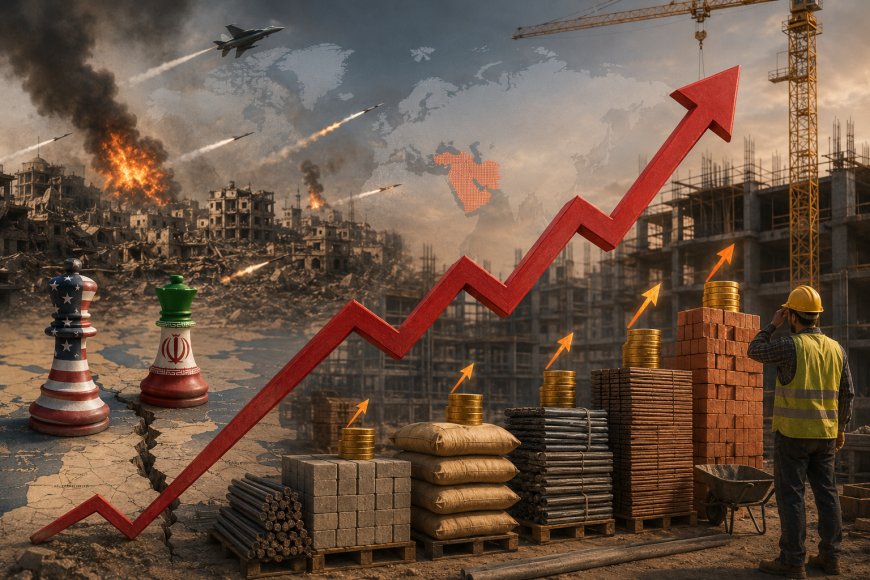
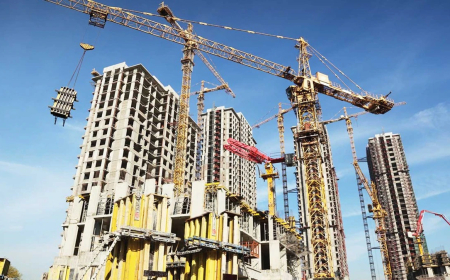
The ongoing tensions in West Asia are beginning to impact India’s real estate sector, with rising input costs, supply disruptions and labour shortages pushing up construction expenses and tightening project viability.
A sharp increase in crude oil prices is at the centre of the disruption, triggering a ripple effect across petrochemical-linked materials and energy-intensive inputs. This has led to price escalation across key construction components, from steel and tiles to paints and electricals.
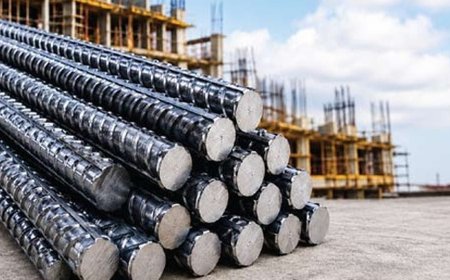
Steel prices have seen one of the steepest increases in recent months, while materials such as PVC, tiles and paints are also witnessing upward pressure due to higher input costs and supply constraints. Logistics disruptions, particularly around key global shipping routes, are further adding to procurement challenges.
“Due to the ongoing Gulf conflict, prices of building materials have risen significantly. Tiles, paints, electrical wires and uPVC windows have all become more expensive. Steel prices have increased from about ₹45,000 to ₹65,000 per tonne over the past three months. At the same time, labour shortages—particularly due to elections in West Bengal—have added to the pressure. Overall, construction costs in Hyderabad could rise by around 15–20% in the current scenario,” said Kondaiah, Managing Director, Yula Group.
The impact is not limited to raw materials. Supply chain disruptions—particularly in energy and fuel availability—are affecting manufacturing and transportation, leading to delays and higher freight costs. Shipping bottlenecks in critical routes are increasing turnaround times and adding uncertainty to project planning.
For developers, this is translating into margin pressure and execution risks, especially for projects where pricing has already been locked in. While some cost increases may be absorbed in the short term, prolonged volatility could lead to recalibration of pricing strategies.
Labour availability is also emerging as a concern. Movement of workers across regions, combined with rising living costs, is pushing up wages in certain markets, further adding to overall project costs.
Industry bodies have indicated that if the current situation persists, construction schedules could be impacted, with delays in project completion and increased financing costs.
At the same time, developers are adopting a calibrated approach to price revisions to avoid demand disruption. Incremental increases, rather than sharp hikes, are being considered to balance cost recovery with market sentiment.
The government has announced temporary relief measures, including customs duty exemptions on select petrochemical products, aimed at stabilising supply and easing input costs. However, the extent of relief will depend on how global conditions evolve.
Altering spend plans
- Steel prices rise from ~₹45,000 to ₹65,000 per tone.
- Overall construction costs may increase by 15–20%.
- Price surge across tiles, paints, electricals, uPVC.
- Crude-linked inputs driving material inflation.
- Supply chain disruptions increasing lead times.
- Labour shortage adds to execution pressure.
- Developers face margin squeeze, pricing recalibration
- Logistics and shipping disruptions persist.
- Labour availability impacted in key markets.
- Project timelines at risk.
- Gradual price hikes expected, not sharp spikes.
Quote
Due to the ongoing Gulf conflict, prices of building materials have risen significantly. Tiles, paints, electrical wires and uPVC windows have all become more expensive. Steel prices have increased from about ₹45,000 to ₹65,000 per tonne over the past three months.
Kondaiah, managing director, Yula Group.
What's Your Reaction?
 Like
0
Like
0
 Dislike
0
Dislike
0
 Love
0
Love
0
 Funny
0
Funny
0
 Angry
0
Angry
0
 Sad
0
Sad
0
 Wow
0
Wow
0