

















Unity, good governance key for frictionless living
Long-term success of gated communities depends on working towards shared goals
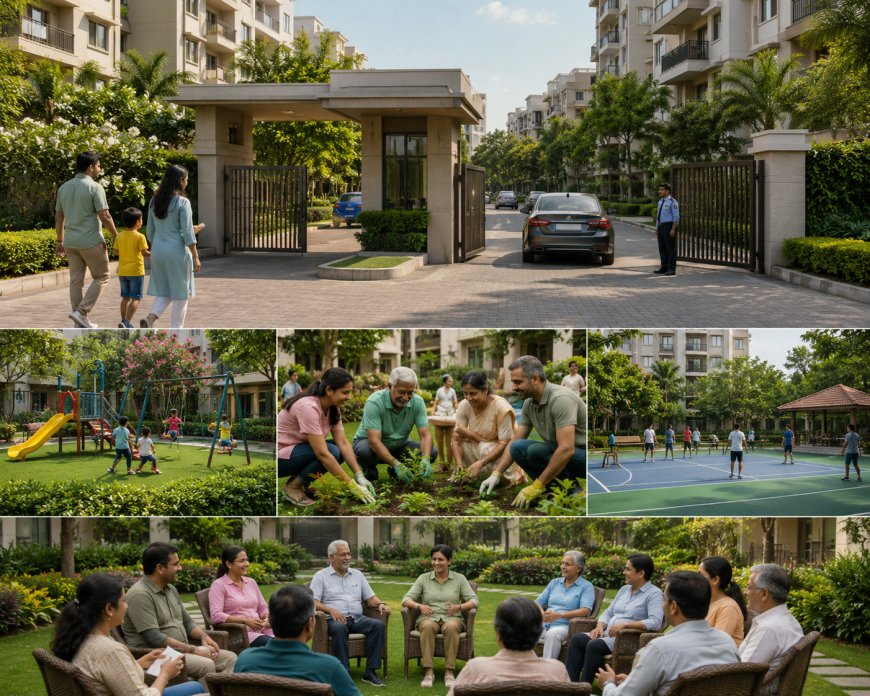
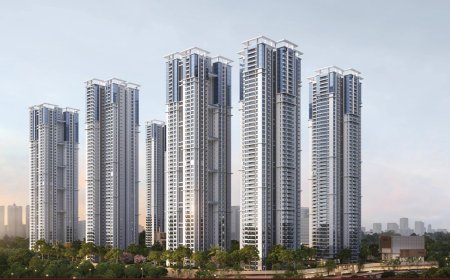
Gated communities in Hyderabad, designed for secure and organised living, are increasingly facing internal divisions that are beginning to affect long-term quality and management standards.
With residents from diverse professional and regional backgrounds, differences in lifestyle and opinion are expected. However, challenges arise when these differences turn into group alignments based on region, language or personal networks, influencing community decision-making.
In several cases, resident welfare associations and committees are seeing increased friction, with disagreements extending beyond operational issues into broader group dynamics. This can slow down decision-making and affect routine management functions.
A key area of concern is governance. Committee decisions are expected to focus on maintenance, infrastructure and long-term planning. However, when decisions are influenced by short-term preferences or group pressures, it can affect financial discipline and overall upkeep.
Maintenance charges remain a common point of debate. For instance, reducing fees without aligning them to actual expenses may create short-term relief but can impact future repairs, upgrades and emergency requirements.
Project-related decisions within communities also require structured discussion. Transparent communication, clear presentation of costs and benefits, and majority-based approvals can help reduce conflict and improve participation.
Another emerging issue is the nature of feedback. In many communities, disagreements are increasingly expressed through informal channels such as messaging groups, often without constructive inputs. This can discourage participation from residents who are willing to contribute to community management.
Financial decisions remain a major trigger for disputes. Questions around spending, vendor selection and cost efficiency are valid, but without solution-oriented engagement, these concerns can lead to prolonged friction.
For gated communities to function effectively, both residents and committees need to follow a structured approach. Committees must maintain transparency and financial discipline, while residents need to engage constructively and support collective decisions.
Common good
- Internal divisions are affecting community governance.
- Group-based alignments impact decision-making.
- Maintenance charges remain a key area of conflict.
- Financial discipline is critical for long-term upkeep.
- Constructive feedback improves community functioning.
- Resident unity supports sustainable living standards.
What's Your Reaction?
 Like
0
Like
0
 Dislike
0
Dislike
0
 Love
0
Love
0
 Funny
0
Funny
0
 Angry
0
Angry
0
 Sad
0
Sad
0
 Wow
0
Wow
0