






















Hyd developers face cash-flow stress
Slower sales and rising construction costs strain project cash flows and vendor commitments.

PROPERTY PULSE | HYDERABAD
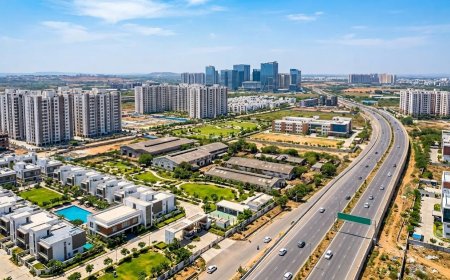
Hyderabad’s real estate growth story is facing a test of financial discipline. Behind the construction of luxury apartments and high-rise towers lies a complex network of contractors, steel and cement suppliers, electrical vendors, architects and other service providers who depend on timely payments. However, slower property sales, rising construction costs and growing unsold inventory are putting pressure on project finances, raising concerns over payment delays across the construction ecosystem.
The issue extends beyond individual developers. Delayed payments can affect contractors’ ability to pay workers, procure materials and maintain construction schedules. If cash-flow stress persists, it could disrupt project execution and create financial pressure across the supply chain.
Sales slowdown adds pressure
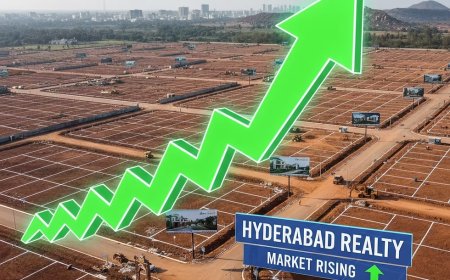
The widening gap between new launches and actual sales is an important concern. According to CRE Matrix data reported in September 2026, Hyderabad developers launched 49,656 homes in H1 2026, while sales stood at 26,068 units. Unsold inventory increased 21 per cent to 1,42,722 units, translating into an estimated inventory overhang of nearly 29 months.
For developers, slower sales can mean slower customer collections. This becomes particularly challenging for projects that depend heavily on booking advances and construction-linked payments to meet ongoing expenses. Land commitments, loan repayments, statutory payments and construction bills must continue even when collections weaken.
Construction costs squeeze margins
Rising input costs are adding another layer of pressure. According to NAREDCO Telangana estimates reported in October 2026, direct construction costs increased by 8–10 per cent, adding approximately ₹150–300 per sq. ft. Steel prices reportedly rose 10–15 per cent, while cement prices increased 8–12 per cent. Developers who have already sold apartments at earlier prices may find it difficult to pass on these increases to customers.
The additional expenditure can therefore erode project margins, particularly where budgets were prepared with limited cost buffers. Cash-flow stress can also reflect weaknesses in project planning. Aggressive land acquisitions, excessive launches, unrealistic cost estimates and dependence on future bookings to finance ongoing construction can leave developers vulnerable when sales slow.
The responsibility rests with developers to assess project viability, maintain adequate financial reserves and monitor project-specific funds. Contractors and suppliers, meanwhile, need clear payment schedules and greater visibility on project execution and funding.
Protecting construction ecosystem
Developers need to align launches with realistic demand, maintain construction budgets and honour vendor commitments. Structured working-capital support from banks and financial institutions could help viable projects manage temporary funding gaps, subject to appropriate financial safeguards.
Hyderabad’s real estate performance cannot be measured only by the number of projects launched or apartments sold. Timely vendor payments, uninterrupted construction and delivery commitments are equally important. The sector’s long-term credibility will depend on whether developers can maintain financial discipline through a more cautious market cycle.
CASH FLOWs
- 49,656 homes launched in H1 2026.
- Sales stood at 26,068 units.
- Unsold inventory climbed to 1.43 lakh homes.
- Inventory overhang estimated at 29 months.
- Direct construction costs rose 8–10 per cent.
- Steel and cement prices add margin pressure.
What's Your Reaction?
 Like
0
 Dislike
0
 Love
0
 Funny
0
 Angry
0
 Sad
0
 Wow
0