












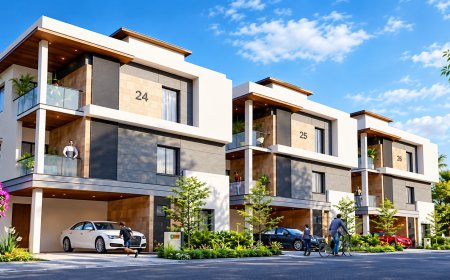







Seepage in Apartments: Act before it’s too late
Hyderabad real estate apartments face rising seepage and leakage issues. Learn causes, prevention tips, waterproofing solutions, and maintenance strategies to protect your property from costly structural damage.
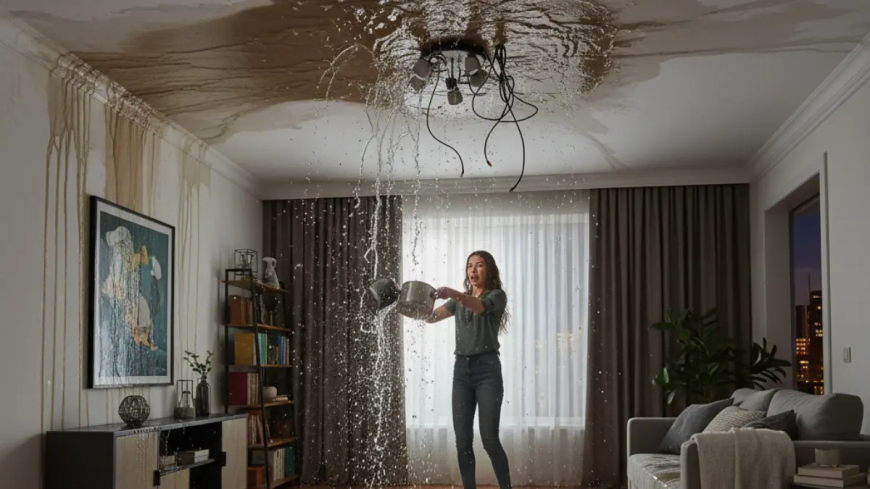
Early detection, regular inspections and collective action can prevent costly structural damage
Hyderabad
Leakages and seepage are among the most common maintenance challenges in apartment communities. If not addressed in time, they can lead to structural damage, unhealthy living conditions and frequent disputes between residents. In growing urban centres like Hyderabad, such issues are increasingly linked to ageing buildings, poor waterproofing, plumbing failures and lack of preventive maintenance.
Experts say the solution lies in early detection, regular inspections and coordinated action by apartment associations.
Water seepage usually occurs when moisture enters through weak construction joints, damaged waterproofing layers or leaking plumbing systems. Common causes include terrace waterproofing failure, bathroom leakage, pipeline defects, cracks in external walls, water tank leakages and poor drainage systems. Over time, water travels through slabs and walls, appearing in neighbouring flats.
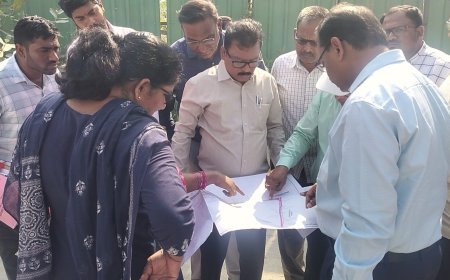
To prevent such issues, apartment associations should adopt a systematic inspection approach rather than reacting only after complaints arise. Structural inspections by qualified professionals are recommended once every one to two years. Key areas to check include terraces, plumbing lines, external walls, basements and overhead tanks.
Residents also play an important role. Early signs such as damp patches, peeling paint, mould growth, ceiling drips or musty odours should be reported immediately. Timely reporting helps identify the source before the problem spreads.
Experts recommend carrying out repairs before the monsoon season, when leakage risks increase. Ideal inspection timelines are April–May (pre-monsoon) and October–November (post-monsoon), allowing associations to prepare buildings for heavy rains.
Leakage between flats is often a sensitive issue but should be treated as a structural or plumbing problem rather than a personal dispute. Common causes include bathroom waterproofing failure, leaking pipes or slab cracks. Identifying the source may require professional testing such as pressure tests, moisture checks or thermal imaging.
Repair solutions depend on the issue. In many cases, bathroom tiles need to be removed and waterproofing redone, while in some situations, chemical injection methods can fix leaks without major dismantling.
Apartment associations should also establish clear rules, including periodic audits, regular waterproofing cycles, plumbing inspections and drainage maintenance. Residents, in turn, must maintain internal systems, report issues promptly and cooperate during repairs.
Experts emphasise that seepage is a shared building concern. A proactive and collective approach can help ensure safer living conditions, reduce repair costs and protect long-term property value.
Long lasting
- Conduct building audits every 1–2 years
- Fix minor leaks before they become structural issues
- Inspect buildings between April–May
- Focus on hotspots like bathrooms, terraces and pipelines
- Leakage between flats is a building problem
- Ensure maintenance with waterproofing, plumbing and drainage upkeep
What's Your Reaction?
 Like
2
Like
2
 Dislike
0
Dislike
0
 Love
0
Love
0
 Funny
0
Funny
0
 Angry
0
Angry
0
 Sad
0
Sad
0
 Wow
0
Wow
0