












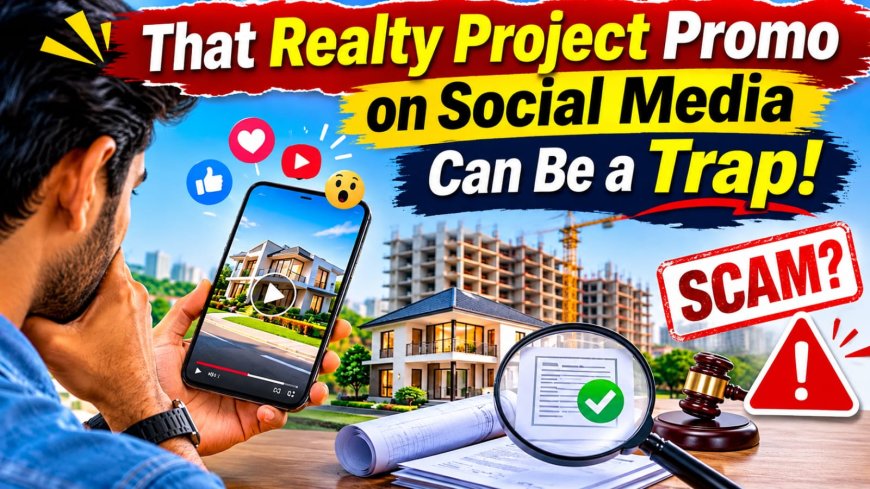
That realty project promo on social media can be a trap
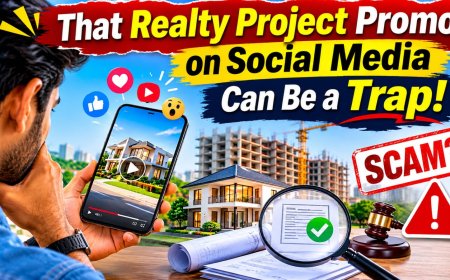
Social media real estate promotions can be misleading, with attractive visuals, influencer endorsements and promises of high returns potentially hiding legal issues or incomplete development.
Property Pulse
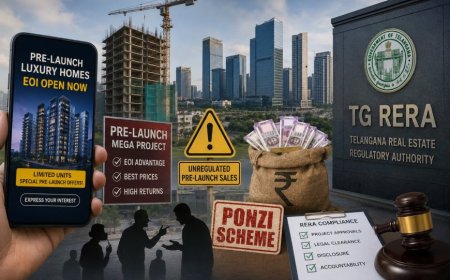
Social media has emerged as an important channel for real estate marketing. While genuine developers use these platforms to showcase their projects, unscrupulous operators are exploiting their reach to create misleading impressions and lure unsuspecting investors.
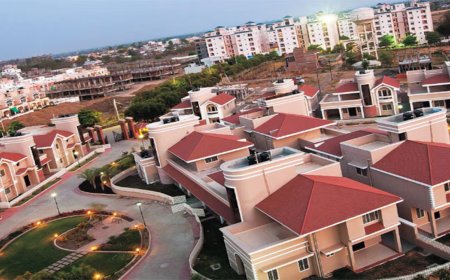
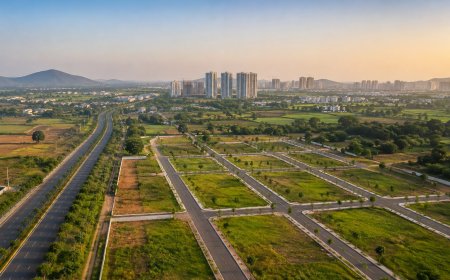
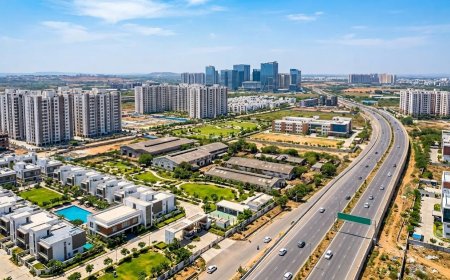
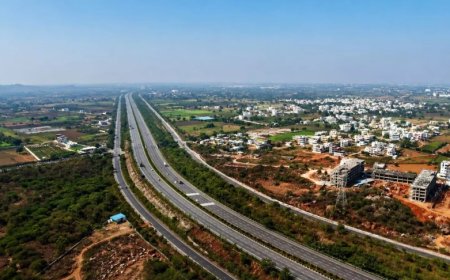
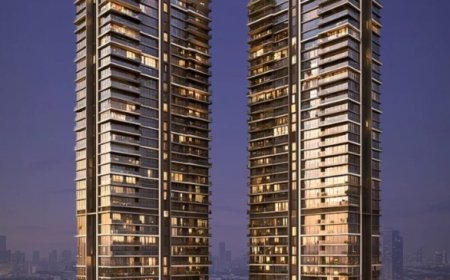
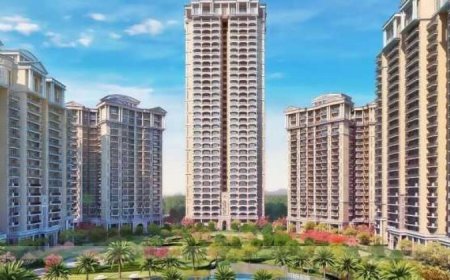
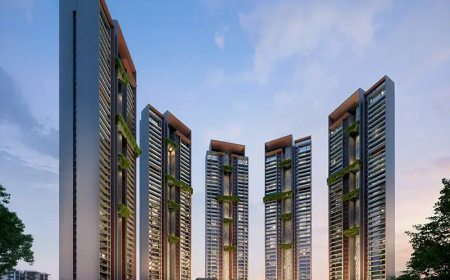
Drone shots of wide roads, landscaped open spaces and proposed infrastructure projects can make a venture appear highly developed. However, the actual site may present a different picture, with disputed land ownership, missing approvals or incomplete infrastructure. The gap between promotional visuals and ground reality is where buyers face the greatest risk.
Paid promotions behind the hype
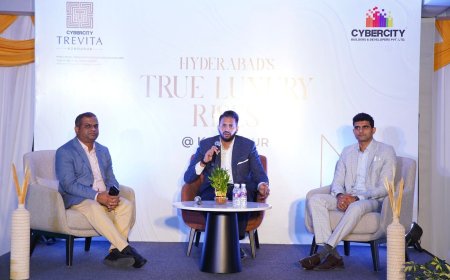
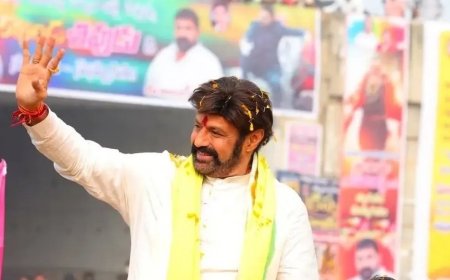
Some developers engage social media influencers with large followings to promote their projects. Influencers visit ventures, produce promotional videos and make claims about rapid price appreciation, assured returns and investment opportunities.
Statements suggesting that property prices will double within a short period or that only a handful of plots remain are often used to create urgency. Prospective buyers may find it difficult to distinguish genuine assessments from paid promotions. A large following, impressive production quality or thousands of views does not establish a project's credibility. Promotional claims about future returns are not guarantees of appreciation.
Is the project RERA-registered?
The Real Estate (Regulation and Development) Act, 2016, was introduced to improve transparency and accountability in the real estate sector. Under Section 3, projects covered by the Act cannot be advertised, marketed, booked or sold without obtaining the required registration from the respective RERA authority.
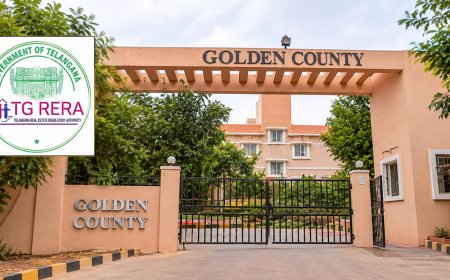
In Telangana, buyers can verify project and agent registration details through the Telangana Real Estate Regulatory Authority (TG-RERA) portal. The figures cited in the supplied data indicate 11,210 registered projects, 5,231 registered agents and details relating to 2,958 complainants.
RERA registration should not be treated as a substitute for independent legal verification. Buyers must examine land ownership records, link documents, applicable layout permissions from authorities such as HMDA or DTCP, and the Encumbrance Certificate (EC). They should also verify whether the approvals and project details correspond to the actual property being offered for sale.
Digital popularity does not guarantee safe investment
Real estate investment involves substantial savings and often represents one of the biggest financial decisions in a person's life. Attractive visuals, millions of views and thousands of likes cannot establish a property's legal validity, ownership or development status.
Influencers should also clearly disclose paid partnerships and avoid making unsupported investment claims.
What's Your Reaction?
 Like
0
 Dislike
0
 Love
0
 Funny
0
 Angry
0
 Sad
0
 Wow
0