









Green buildings turn hot favourites in India, says IGBC chairman C. Shekar Reddy
Sustainability is becoming central to how we build,’ says IGBC chairman C. Shekar Reddy
Samuel Joshua
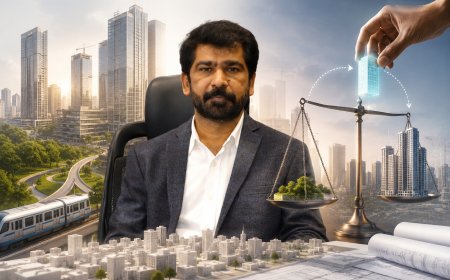
Green buildings are no longer a niche or premium segment in Hyderabad’s real estate market—they are increasingly becoming the baseline, particularly in Grade A commercial developments.
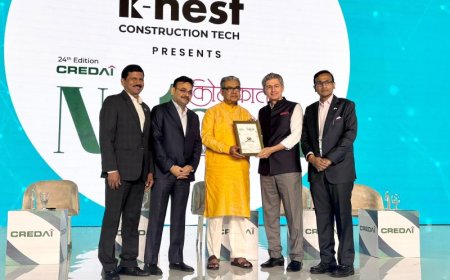
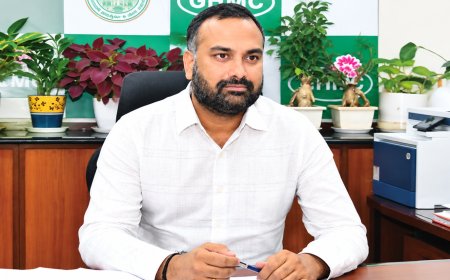
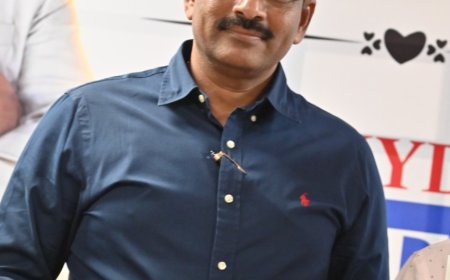
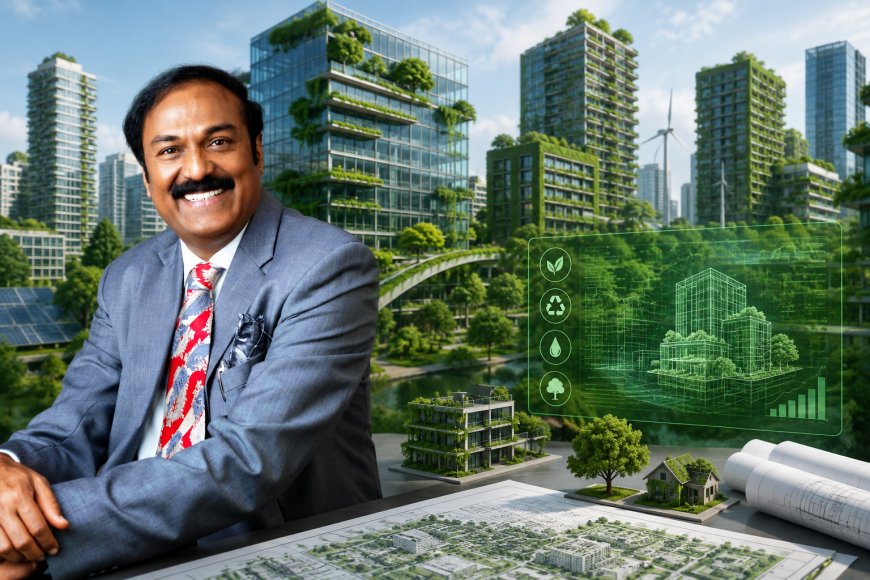
“Green buildings in Hyderabad are no longer limited to a small segment or a passing trend. They are now a fundamental expectation. As the city continues to grow, sustainability is becoming central to how we design, build and live,” said C. Shekar Reddy, National Chairman, Indian Green Building Council.
Industry estimates suggest that around 40–60 per cent of Grade A commercial projects in the city are now pursuing green certifications, reflecting a clear shift in developer and occupier priorities.
Hyderabad, along with cities such as Bengaluru, Mumbai and Pune, is among the leading markets in India for green building adoption. Telangana alone has over 1,245 IGBC-registered projects, covering approximately 1.67 billion sq ft across commercial, residential and infrastructure segments.
According to Shekar Reddy, the demand is being driven not just by regulatory push, but also by investor and occupier expectations.
“Today, ESG considerations are playing a major role. Investors, occupiers and even homebuyers are looking at sustainability as a key factor. It is no longer a differentiator—it is becoming a necessity,” he said.
Commercial office spaces and IT parks continue to lead adoption, followed by mixed-use developments. Residential projects are also gaining traction, with increasing awareness among buyers.
Developers are focusing on energy efficiency, open spaces and low-density planning, particularly in larger townships. IGBC-certified buildings typically deliver 20–30% energy savings, with some advanced projects achieving even higher efficiencies.
“Energy and water savings translate directly into lower operating costs. For homebuyers, this can mean savings of ₹1,000 to ₹2,000 per month on electricity and water bills,” Shekar Reddy noted.
Water conservation is another key focus area, with projects incorporating rainwater harvesting, recycling systems and efficient fixtures to achieve 30–50% savings.
At the same time, buyer preferences are evolving. Features such as solar rooftops, EV charging infrastructure, smart energy systems and improved indoor air quality are increasingly becoming part of project offerings.
Construction practices are also changing, with developers adopting low-carbon materials, recycled inputs and locally sourced resources to improve sustainability outcomes.
“Frameworks such as GreenPro are helping standardise and accelerate adoption across projects,” he added.
Importantly, the cost barrier for green buildings has reduced over time. According to IGBC, the additional cost of sustainable design has come down to around 2 per cent, while buyers are willing to pay a 3–5 per cent premium, given the long-term savings and benefits.
“Homebuyers today see green homes not just as a lifestyle choice, but as an investment—offering better health, lower costs and stronger resale value,” Shekar Reddy said.
Beyond Hyderabad, green building adoption is also gaining traction in Tier 2 and Tier 3 cities, supported by urbanisation, policy incentives and growing awareness.
Healthy life
- 40–60% of Grade A projects going green.
- More than 1,245 IGBC projects in Telangana.
- About 1.67 billion sq ft green space certified/registered.
- Result in 20–30% energy savings and 30–50% water savings through design
- About ₹1,000–₹2,000 monthly utility savings
- Green homes command 3–5% premium.
What's Your Reaction?
 Like
0
Like
0
 Dislike
0
Dislike
0
 Love
0
Love
0
 Funny
0
Funny
0
 Angry
0
Angry
0
 Sad
0
Sad
0
 Wow
0
Wow
0