


















TDR - Controlled growth key to city’s realty, says Rajashekar Reddy
Supply concentration, pricing and investor participation shaping growth of sectors, says Rajashekar Reddy
Samuel Joshua
Hyderabad’s real estate market continues to remain fundamentally strong, but emerging concerns around supply concentration, pricing and investor participation are beginning to shape the next phase of growth.
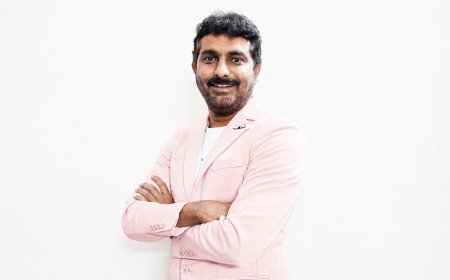
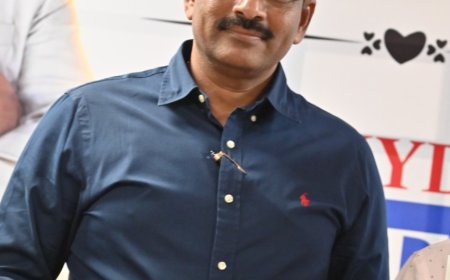
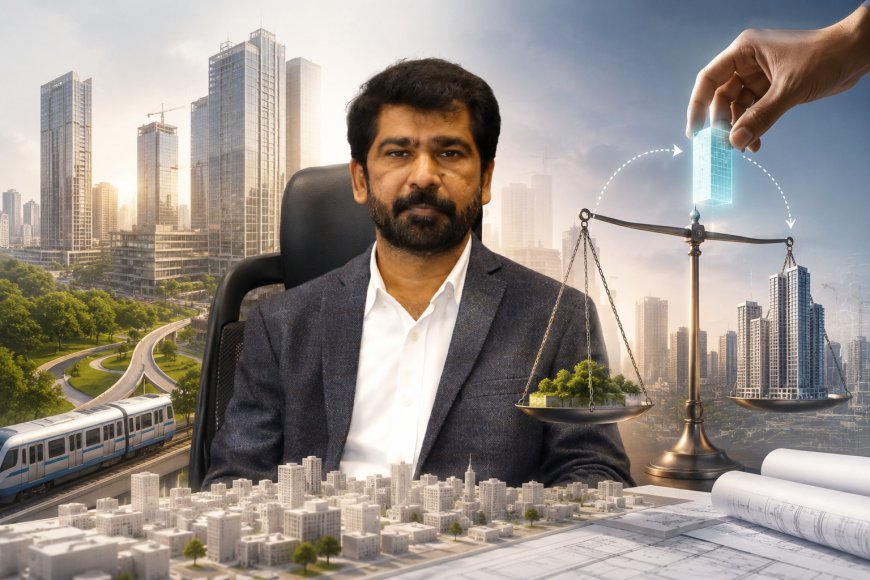
“Transferable Development Rights (TDR) will certainly add value to Hyderabad’s real estate sector,” said Rajashekar Reddy Venuganti, past president of CREDAI Hyderabad. “But if expansion is not regulated, especially in select pockets, it can lead to pricing stagnation and confusion in the market. Ultimately, it is controlled and balanced growth that will define Hyderabad.”
While demand fundamentals remain intact, Venuganti emphasised that the issue lies in how development is distributed. “The problem is not demand—it is concentration,” he said. “When development gets focused in one corridor, buyers begin to question pricing and long-term sustainability.”
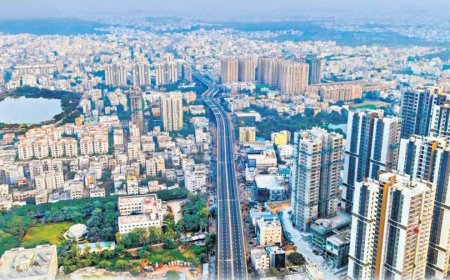
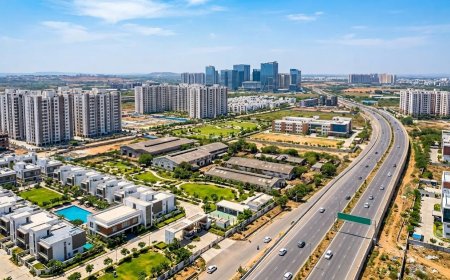
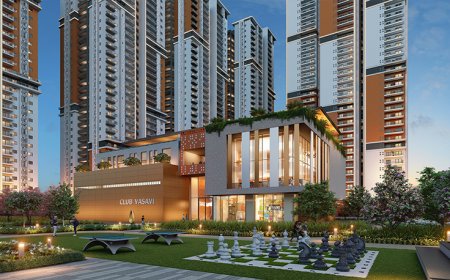
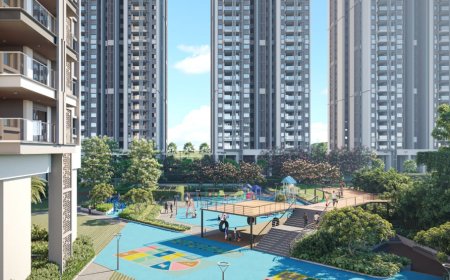
This trend is particularly visible in Hyderabad’s western corridor, which continues to dominate new supply. “Today, a large part of development is happening in the western belt,” he noted. “With TDR also getting absorbed in these areas, we are seeing a surge in high-rise projects without any meaningful correction in land prices.”
According to him, this imbalance could impact price movement going forward. “If supply continues to build up in the same micro-markets, we could see a phase where prices remain stable without much appreciation,” he said. “That is not healthy for the market in the long term.”
At the same time, overall supply levels remain aligned with demand at a broader level. “We currently have around 4.5 lakh housing units in the pipeline, and annual absorption is about one lakh units,” Venuganti said, citing RERA Telangana data. “With urbanisation levels at nearly 47 per cent, this inventory should get absorbed over the next four to five years.”
Employment growth continues to support housing demand. “Over the past few years, the IT sector has added around 1.5 lakh jobs,” he said. “There has been a small dip of about 7,000 jobs recently, but overall demand drivers remain strong.”
However, buyer behaviour is evolving. “Earlier, the market was largely driven by end-users—around 70 per cent—with investors making up the rest,” Venuganti said. “Now, that trend is reversing, and investor participation is not as strong, which is affecting sales momentum.”
NRI investors, in particular, are becoming more cautious. “There is interest, but decisions are now very return-driven,” he noted. “In markets where prices have increased sharply, buyers are evaluating risk more carefully before committing.”
Project timelines are also shaping supply dynamics. “A standalone project typically takes about three years for completion, while high-rise developments can take up to six years, even when done in phases,” he said. “This naturally staggers supply and prevents sudden oversupply at a city level.”
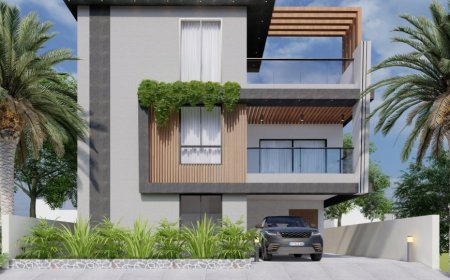
At the policy level, Venuganti flagged concerns around unregulated vertical growth. “With provisions like G.O. 50, we are seeing increased construction intensity,” he said. “But without proper calibration, this could lead to very dense development and put pressure on infrastructure.”
He believes a more structured approach to TDR is needed. “If we can define clear thresholds—for example, a price-based cutoff and targeted usage—it will help segment the market better and avoid unnecessary pressure in specific areas,” he said.
There is also a strong case for diversifying development beyond the western corridor. “We need to look at other parts of the city,” Venuganti said. “Areas along the Musi river and parts of the Old City have significant redevelopment potential. With the right policy framework and effective use of TDR, these can emerge as organised growth corridors.”
On the industry side, efforts have been made to improve coordination among stakeholders. “We worked towards bringing different real estate bodies onto one platform,” he said. “Today, organisations like CREDAI and NAREDCO are more aligned, which is helping the industry function in a more coordinated manner.”
Looking ahead, Venuganti remains confident about Hyderabad’s long-term prospects, but with a clear caveat. “The city has strong fundamentals—demand is there, urbanisation is happening, and infrastructure is improving,” he said. “But the future of the market will depend on how well we manage growth.”
“TDR will play an important role in enabling development,” he added. “But unless it is implemented in a balanced and disciplined manner, it can create more challenges than value.”
Rising steady
About 4.5 lakh units in pipeline.
4–5 years inventory cycle.
Demand intact, but western corridor dominating supply.
Buyer sentiment linked to location.
TDR to boost high-rise development.
Pressure on select micro-markets due to risks of price stagnation.
NRIs more cautious, favour return-driven decisions.
What's Your Reaction?
 Like
0
Like
0
 Dislike
0
Dislike
0
 Love
0
Love
0
 Funny
0
Funny
0
 Angry
0
Angry
0
 Sad
0
Sad
0
 Wow
0
Wow
0