















From Breakdown to Balance: Process-Driven Revival of Sewage Treatment Plants in High-Rise Developments
Hyderabad real estate faces challenges in sewage treatment plants (STPs) in high-rise apartments. Discover how process-driven optimization, better maintenance and engineering practices improve efficiency, reduce costs and ensure compliance in residential projects.
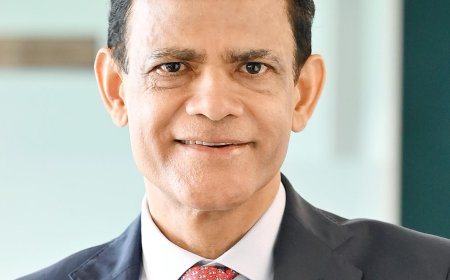
- VR Sankar Cheela, PhD
Common Sewage Treatment Plants (STPs) in high-rise residential developments across metropolitan cities continue to operate below expected efficiency levels, often failing to meet prescribed discharge and reuse standards. These challenges are not primarily technological but are rooted in persistent operational inefficiencies, including fluctuating influent characteristics, inadequate process control, poor maintenance practices, and limited technical competency at the operational level.
Variability in wastewater flow and organic load, coupled with insufficient equalization, disrupts biological stability within treatment systems. Inconsistent aeration practices lead either to incomplete pollutant degradation or excessive energy consumption. Sludge mismanagement—particularly irregular withdrawal and recirculation—reduces reactor efficiency, while unstructured chemical dosing results in non-compliance and increased operational costs. Frequent equipment downtime, absence of preventive maintenance frameworks, and reliance on semi-skilled operators further contribute to reactive and inconsistent plant operations.
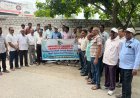
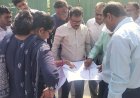
Addressing these issues through a pragmatic, process-driven approach, Infineitum Eco Services Private Limited, with over 10 years of experience in sewage treatment systems and a portfolio spanning 15 projects with residential capacities ranging from approximately 100 to 1900 units, in collaboration with Cheela Industries Pvt Ltd, a one-year-old company focused on environmental sustainability, are implementing structured operational interventions across residential STPs. Their model emphasizes process optimization, operational discipline, and engineering oversight.
Drawing from pharmaceutical systems and process engineering principles, the teams are introducing controlled and repeatable operational practices. These include maintaining stable aeration regimes based on observed plant behavior, implementing systematic sludge management through defined withdrawal and recirculation cycles, and adopting calibrated, need-based chemical dosing. Routine analytical monitoring—such as pH, dissolved oxygen (using portable instruments), sludge settling characteristics, and sludge volume index—is used to guide manual process adjustments within defined control limits.
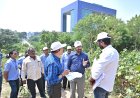
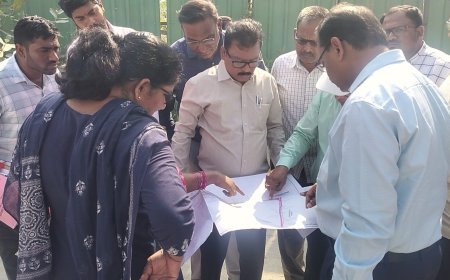
Operational improvements are further driven through refinement of hydraulic retention times, improved flow equalization practices, and minor process reconfigurations to enhance biological efficiency. Standard operating procedures are formalized and strictly implemented, supported by logbook-based monitoring and batch-wise performance tracking to ensure accountability and consistency in operations. A key pillar of this intervention is capacity building. Plant operators are trained to understand process fundamentals and respond proactively to variations in system performance. Preventive maintenance schedules are institutionalized to reduce equipment failure, and periodic technical audits are conducted to identify inefficiencies and implement corrective actions in a timely manner.
This collaborative approach demonstrates that meaningful improvements in STP performance can be achieved through process-centric optimization rather than capital-intensive automation. Outcomes observed include improved effluent quality consistency, enhanced process stability under variable loads, better sludge management, and optimized operational costs.
In conclusion, resolving operational inefficiencies in STPs within high-rise developments requires a disciplined, engineering-led framework that prioritizes process understanding, structured operations, and continuous monitoring. The collaborative efforts of experienced industry players and emerging sustainability-focused enterprises highlight a scalable pathway for improving decentralized wastewater treatment performance without immediate reliance on advanced digital infrastructure.
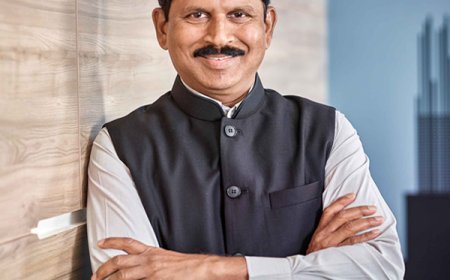
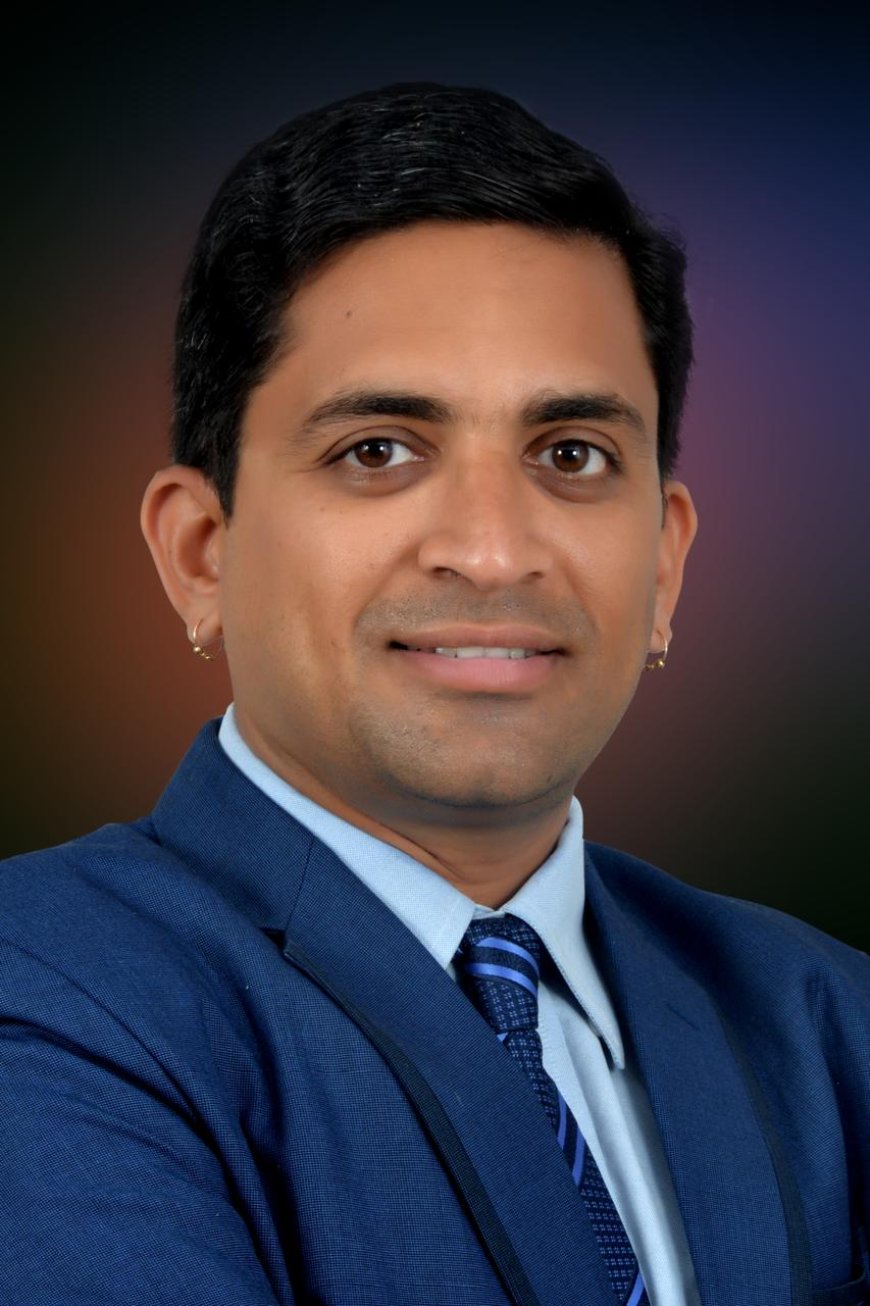
Dr VR Sankar Cheela
PhD (IIT Kharagpur- Curtin University)
Associate Professor, MVGR College of Engineering
Sustainability Advisor, Infiniteum Eco-Services Pvt. Ltd.
What's Your Reaction?
 Like
0
Like
0
 Dislike
0
Dislike
0
 Love
0
Love
0
 Funny
0
Funny
0
 Angry
0
Angry
0
 Sad
0
Sad
0
 Wow
0
Wow
0