





















CII Energy Efficiency Summit 2026 Pushes Lower Energy Use as Cities and Industry Expand
CII’s Hyderabad summit examines how smarter buildings, cleaner technologies and lower consumption can support the city’s expanding urban and industrial landscape.

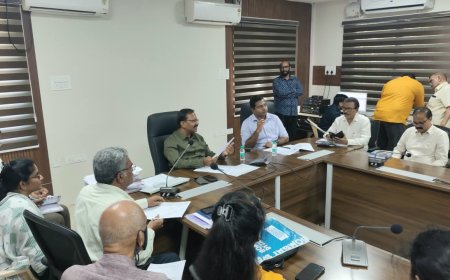
As economic growth drives higher energy use across buildings, industries and infrastructure, efficiency is becoming a key part of India’s transition towards a Net Zero economy. The shift was discussed in Hyderabad at the 25th Energy Efficiency Summit 2026.
Organised by the Confederation of Indian Industry’s (CII) Green Business Centre, the summit was held under the theme “Accelerating the transition to a Net Zero economy through energy efficiency, clean technologies, and sustainable practices”. The day also featured the 22nd Power Plant Summit 2026 and 20th PaperTech 2026.
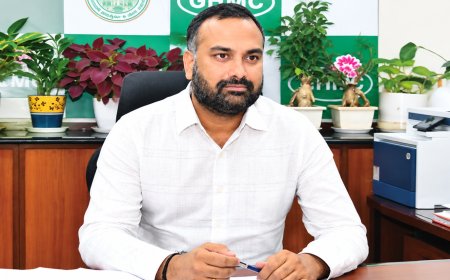
Addressing the inaugural session, Telangana Deputy Chief Minister Mallu Bhatti Vikramarka said energy efficiency should be seen as an economic competitiveness strategy and not only an environmental measure.
“Energy efficiency is not merely an environmental obligation; it is an economic competitiveness strategy,” he said, adding that efficient motors, better cooling systems, intelligent buildings, smart industrial processes and digital energy management can reduce pressure on the electricity system while lowering operating costs and emissions.
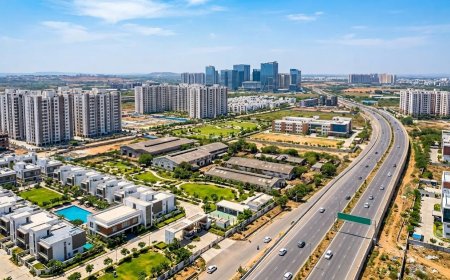
For the real estate sector, the focus on intelligent buildings and efficient cooling and energy systems is significant as residential and commercial development expands. Vikramarka also noted that every megawatt of electricity demand avoided through efficiency can reduce pressure on the wider power system, and stressed the need to scale proven technologies across industries.
Technology is also emerging as an important part of this transition. Tejpreet Singh Chopra, Chairman, Energy Efficiency Summit 2026 and Founder & CEO, BLP-Industry.AI, said, “Energy efficiency is the first fuel. It can reduce demand and costs while creating greater scope for cleaner power. AI and digital tools can compress the time between identifying and acting on an efficiency opportunity, helping scale from hundreds of audits to continuous monitoring of thousands of assets.”
The transition will involve renewable energy and improvements to existing power infrastructure. Ajay Sharma, Chairman, Power Plant Summit 2026 and Executive Director (Operation Services), NTPC Ltd., said, “India cannot immediately do away with thermal power. We need to make existing plants more efficient, flexible and responsive while integrating renewables and storage. The future energy system will combine efficient thermal power, renewable energy, storage and digital intelligence.”
Meanwhile, Ganesh Bhadti, Chairman, PaperTech 2026 and Executive Director (Operations and Projects), Seshasayee Paper & Boards Ltd., said, “Energy efficiency and decarbonisation are the two wings that will determine the future and sustainability of industries. The paper industry has strengths such as renewability, recyclability and biodegradability, which can support its transition towards Net Zero. What we do today will determine the sustainability of the future.”
The summit highlighted the focus on practical industry solutions. Three publications were released, including The Energy Efficiency Imperative: Lessons from the Past, Leadership for the Future, the CII Thermal Power Plant Benchmarking Report 2026 and the Best Practice Manual in Paper Sector – Volume 14.
The event also marked the first day of the 27th CII National Award for Excellence in Energy Management, with 263 industries across more than 15 sectors sharing energy-efficiency practices and technologies. More than 1,600 policymakers, industry leaders attended, while an exhibition showcased over 75 technologies and solutions.
For the built environment, discussions point towards a shift from simply adding renewable power to reducing the energy required to operate buildings and infrastructure. Efficient cooling, intelligent building systems, digital monitoring, clean energy and better resource management are likely to remain areas as India’s cities and industrial centres continue to expand.
What's Your Reaction?
 Like
0
Like
0
 Dislike
0
Dislike
0
 Love
0
Love
0
 Funny
0
Funny
0
 Angry
0
Angry
0
 Sad
0
Sad
0
 Wow
0
Wow
0