
















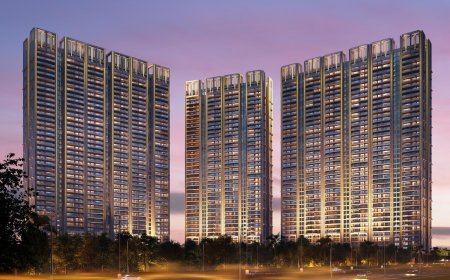









Why Tier-2 and Tier-3 Cities Are Emerging as Real Estate Hotspots?
Discover why Tier-2 and Tier-3 cities are becoming real estate hotspots in India with affordable housing, better infrastructure, and strong investment returns.

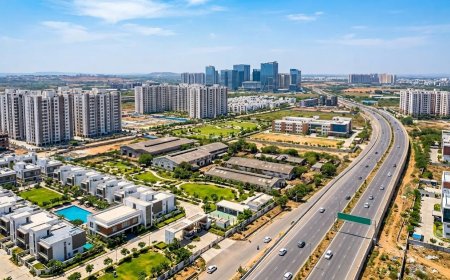
Property prices in metro cities have surged sharply, making affordable housing increasingly difficult to find even in far-off suburban areas. Against this backdrop, demand for residential properties in Tier-2 and Tier-3 cities is steadily rising. Several factors are contributing to this shift, most notably lower property prices compared to metros, larger home sizes, and improving infrastructure and connectivity.
Rising incomes, expanding civic infrastructure, and changing buyer preferences have accelerated real estate investment activity across Tier-2 and Tier-3 cities. Decentralised economic growth and evolving demographic trends are playing a crucial role in driving housing demand beyond metro cities. Estimates suggest that over 45% of India’s urban population growth over the next decade will originate from Tier-2 and Tier-3 cities.
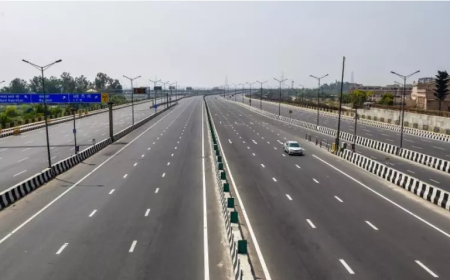
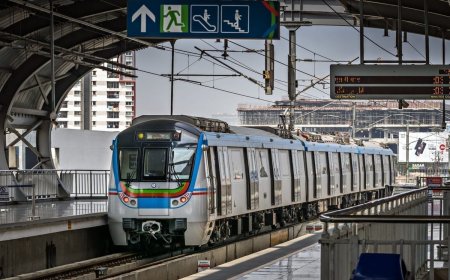
These cities are witnessing increased employment generation across manufacturing, IT services, logistics, healthcare, and education sectors. Experts note that government investments in roads, industrial corridors, airports, and urban infrastructure have strengthened local job ecosystems, directly translating into higher housing demand. Affordability continues to be a major advantage for both buyers and investors. Residential prices in Tier-2 cities are 40–60% lower than those in major metros, while average home sizes are 20–30% larger.
From an investment perspective, smaller cities are gaining traction for capital appreciation and portfolio diversification. Although rental yields in Tier-2 and Tier-3 cities remain moderate, lower entry prices make them attractive. Residential capital appreciation in these markets has averaged 8–12% annually in recent years, outperforming several metro suburban locations.
First-time homebuyers in these cities remain largely end-user driven and risk-averse, prioritising delivery certainty, developer credibility, gated communities, and long-term affordability through stable EMIs. Meanwhile, investors are becoming increasingly data-driven, closely evaluating supply pipelines, absorption rates, rental demand, and exit liquidity. The number of hybrid buyers—those purchasing their first home for self-use while also considering long-term investment value—is steadily increasing. Experts believe this trend will further strengthen the real estate market in Tier-2 and Tier-3 cities over the next two to three years.
What's Your Reaction?
 Like
0
Like
0
 Dislike
0
Dislike
0
 Love
0
Love
0
 Funny
0
Funny
0
 Angry
0
Angry
0
 Sad
0
Sad
0
 Wow
0
Wow
0