







New frontier for Hyd: From traffic gridlock to greener, livable city
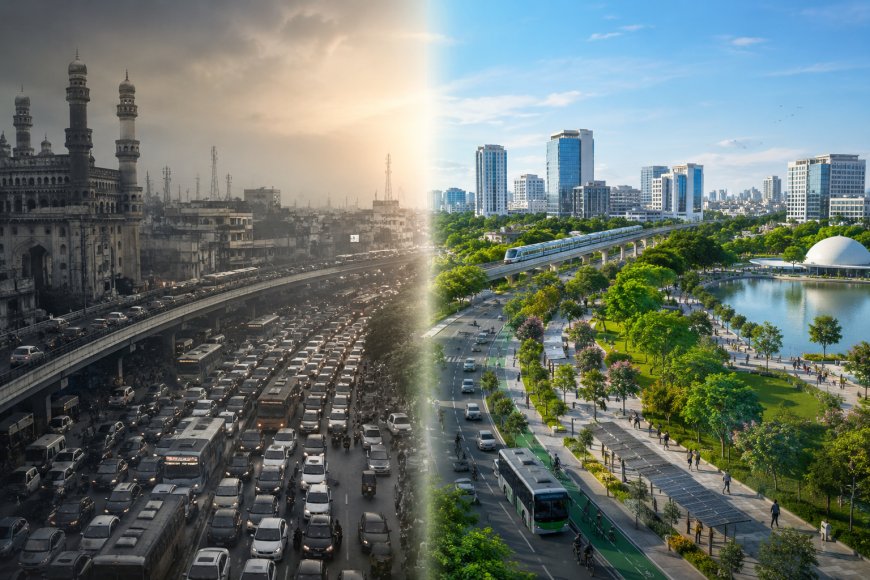
Hyderabad is at a turning point. The same city that built its reputation on opportunity, infrastructure, and relatively cleaner air is now confronting a new reality—congestion, rising emissions, and stretched urban systems. But if current plans hold, this could also be the decade where Hyderabad reinvents itself into one of India’s most liveable and future-ready cities.
The shift is already visible. Over the past decade, the city has seen a dramatic surge in private vehicles—especially cars—while public transport usage has steadily declined. Today, private transport dominates daily commutes, reshaping not just mobility patterns but also the city’s air quality and urban experience.
This change has had consequences. PM2.5 levels—fine particulate matter that directly impacts health—are increasingly linked to vehicular emissions and road dust, especially in high-traffic corridors. The expansion of Hyderabad’s western belt, particularly the IT hubs of HITEC City, Gachibowli and Kondapur, has further intensified this pressure.
Yet, what makes Hyderabad’s story different is not the problem—but the scale and clarity of the response.
Transit-first city
Urban planners are now pushing a decisive shift—from vehicle-centric growth to people-centric mobility. At the heart of this transition is Transit-Oriented Development (TOD). The idea is simple but powerful: bring homes, offices, retail, and services closer to metro stations so people don’t have to travel long distances. Instead of long daily commutes, the future city aims for “walk-to-work” lifestyles.
Metro expansion plays a critical role here. With Phase 2 set to add over 100 km and future phases extending connectivity deeper into suburbs and emerging corridors, Hyderabad is building a rail backbone that could fundamentally reduce dependence on private vehicles.
Decentralisation: The Fourth City vision
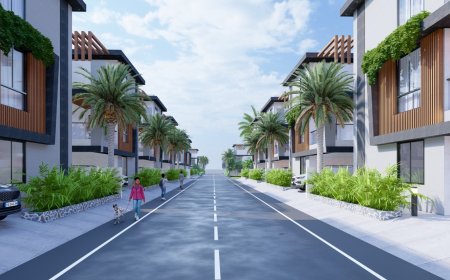
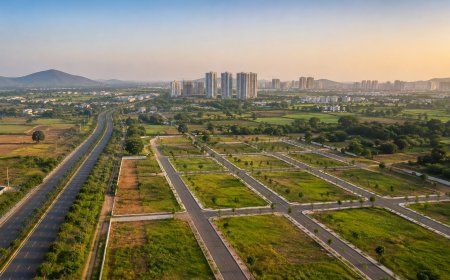
One of the most ambitious ideas shaping Hyderabad’s future is the proposed Fourth City (Future City) near Mucherla. Instead of overloading the western IT corridor, the city is planning a parallel economic hub in the south—designed as a net-zero, green, and transit-led urban zone. The goal is clear: distribute jobs, reduce cross-city travel, and create balanced growth. If executed well, this could redefine real estate dynamics—opening up new investment zones while easing pressure on saturated micro-markets.
Beyond roads: Walking, cycling, living
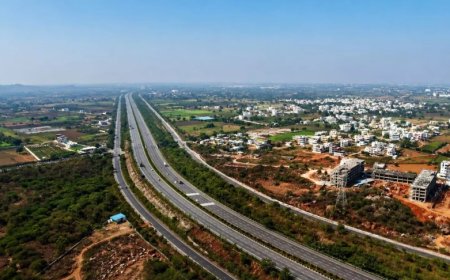
The transformation is not just about big infrastructure. It’s also about how people experience the city daily. The 23-km solar-covered cycling track along the Outer Ring Road is a glimpse into that future—where mobility meets sustainability. But the bigger challenge lies inside the city: safer footpaths, shaded walkways, and continuous cycling networks. From Charminar’s pedestrianisation efforts to planned walkable zones in IT corridors, Hyderabad is slowly reclaiming space for people—not just vehicles.
Green cover as urban infrastructure
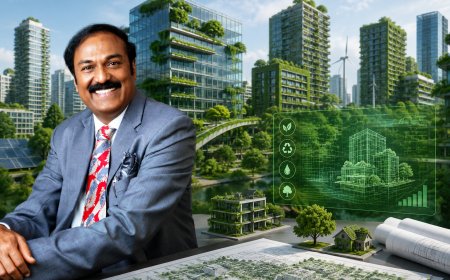
Hyderabad is also doubling down on green infrastructure. Urban forests, lung spaces, roadside plantations, and vertical gardens are being treated not as beautification projects—but as climate assets.
The city has already expanded its green cover significantly over the past decade, and more urban forests are in the pipeline. These green buffers play a critical role in reducing heat, improving air quality, and enhancing livability.
Electric Push
Another key pillar is electrification. With a roadmap targeting 100 per cent electric public transport and thousands of charging stations, Hyderabad is preparing for a gradual phase-out of fossil-fuel vehicles.
Combined with policies to relocate polluting industries and promote clean energy, the city is aligning its growth with long-term sustainability goals.
Real estate implication
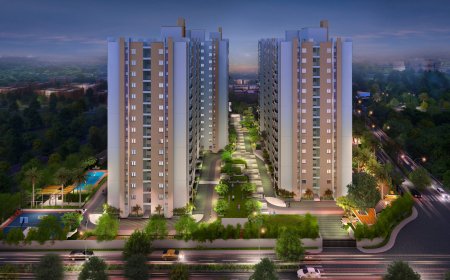
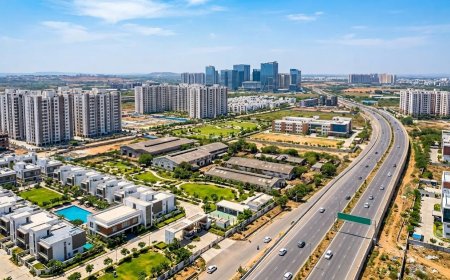
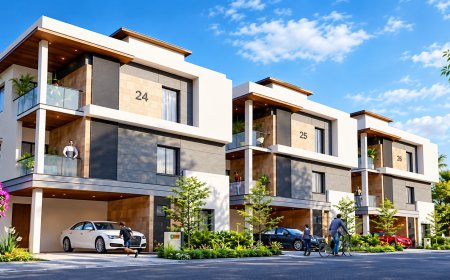
For the property market, these shifts are profound. Locations near metro corridors, TOD zones, and emerging hubs like Kokapet, Neopolis, and the Future City belt are likely to see stronger demand. At the same time, developments that integrate walkability, green spaces, and reduced commute times will command a premium. In many ways, Hyderabad’s next real estate cycle will not just be about location—but about connectivity, sustainability, and quality of life.
Rewriting growth story
Hyderabad’s challenge is to manage growth without compromising liveability. The roadmap is- build transit, decentralise jobs, prioritise people, and invest in green infrastructure. If executed well, Hyderabad could move from being a fast-growing city to a well-growing city, one where opportunity and quality of life go hand in hand.
Green push
· Metro Phase 2 to add 116+ km.
· Future City planned as a net-zero urban hub.
· ORR cycling track spans 23 km with solar roofing.
· 100% electric public transport target by 2030.
· Green cover more than doubled in a decade.
· TOD zones to reshape real estate demand.
· Private vehicles dominate about 87% of daily trips.
· Four-fold rise in cars since 2011.
· Public bus usage down about 40%.
· Nearly 88 lakh registered vehicles.
· Over 9.5 lakh people own multiple vehicles.
· Transport contributes over 60% of PM2.5 in key corridors.
Author: Vijay Kumar, Retd. IAS Officer
What's Your Reaction?
 Like
0
Like
0
 Dislike
0
Dislike
0
 Love
0
Love
0
 Funny
0
Funny
0
 Angry
0
Angry
0
 Sad
0
Sad
0
 Wow
0
Wow
0