






























Co-Living: A Trending Investment
Co-living emerges as a high-return investment in Hyderabad real estate. Rising student and IT demand drives higher rental yields than traditional housing.
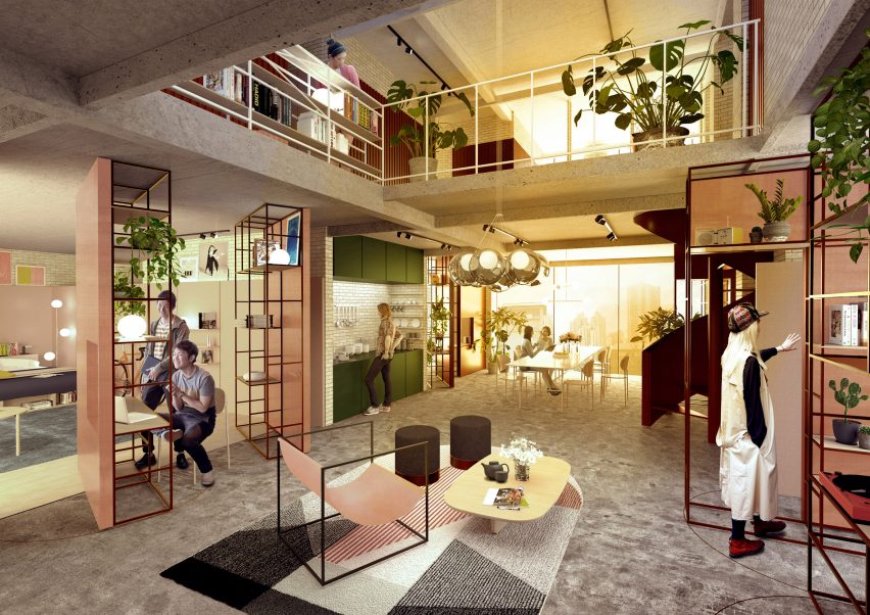
Rising Demand for Co-Living Hostels
Demand for co-living spaces is increasing across India. Once limited to major metropolitan cities, this rental housing model is now expanding into Tier-2 cities as well. Cities such as Hyderabad, Vijayawada, Tirupati, and Visakhapatnam are witnessing growing demand.
According to a recent NASSCOM report, cities like Visakhapatnam, Tirupati, and Vijayawada are emerging as new technology and education hubs. This has led to an influx of young professionals and students seeking affordable yet comfortable accommodation. As a result, co-living projects offering such facilities are gaining popularity. Co-living accommodations are about 35% cheaper than single-bedroom rentals, come with flexible lease terms, and include amenities such as Wi-Fi, housekeeping, and community activities—making them particularly attractive to Gen Z tenants.
For example, if a standard three-bedroom flat in Hyderabad rents for ₹25,000 per month, converting it into a co-living setup with three separate rooms can generate ₹30,000 to ₹40,000 per month. While traditional rentals typically yield a net annual return of around 2–3%, co-living models offer returns of 5–7%, and in some cases up to 8% when located near education or technology hubs. Additionally, several management agencies now handle end-to-end operations for property owners who wish to rent out homes as co-living spaces. This has further attracted smart investors towards co-living projects.
What's Your Reaction?
 Like
0
Like
0
 Dislike
0
Dislike
0
 Love
0
Love
0
 Funny
0
Funny
0
 Angry
0
Angry
0
 Sad
0
Sad
0
 Wow
0
Wow
0